
Transporting Your Golf Cart Safely: Battery And Maintenance Tips
How to transport golf cart? comes down to matching the advice to your situation instead of following a generic checklist. I will focus on the main decision points, the tradeoffs that matter most, and the practical next steps you can use before spending time or money.
Types of Golf Cart Batteries
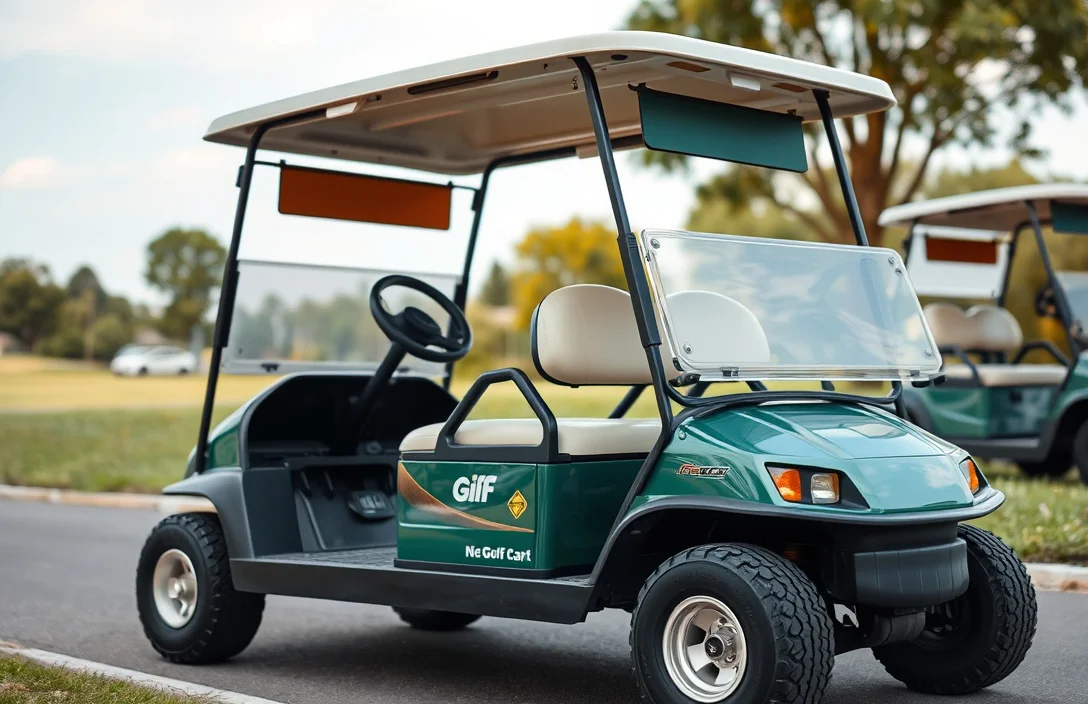
Lead-acid batteries remain common in golf carts because of low upfront cost, but they are heavy and require ventilation. When moving a cart, expect more weight and precaution with venting and leaks. Lithium-ion packs are lighter and use a battery management system, which changes how you monitor health during transport.
Flooded lead-acid batteries are the traditional option for carts. They use liquid electrolyte that can spill if tipped, and they require regular water additions and venting in use, which matters for safety and handling during transport.
LiFePO4 lithium-ion batteries are lighter and often offer longer cycle life, but they come with a higher upfront cost. They include a robust battery management system that guards against over charge, over discharge, and overheating, which changes how you verify health during transport. Transport requires a charger compatible with lithium chemistry and physical protection to prevent puncture or crushing damage.
Maintenance-Free Options include AGM and Gel lead-acid designs. They are sealed and require little water maintenance, which reduces spills and maintenance during transport, but they still contribute significant weight and may vent if damaged, so securing and orientation matter during transit.
| Chemistry | Weight / Density | Maintenance | Transport Notes |
|---|---|---|---|
| Flooded Lead-Acid | Very heavy, lowest energy density | Water top-ups required; venting | Vent gas, potential leaks; secure upright; ensure caps closed |
| AGM / Gel Lead-Acid | Heavy but less than flooded | Low maintenance; sealed | Less gas, still venting risk; secure physically; protect terminals |
| LiFePO4 Lithium-Ion | Lightweight; high energy density | Low maintenance; relies on BMS | Minimal venting; avoid punctures; secure and use compatible charger |
Safety reminder: never transport damaged or swollen batteries, disconnect from the cart and charger before moving, cover exposed terminals, and keep the pack upright and protected from impacts during transit.
Preparing for Transport
Disconnecting the Battery before handling or loading the cart prevents accidental startup or short circuits during transport. Cleaning and drying the cart reduces slip hazards and protects connections, then verify the area around the tires and undercarriage is clear for movement.
Securing the Golf Cart
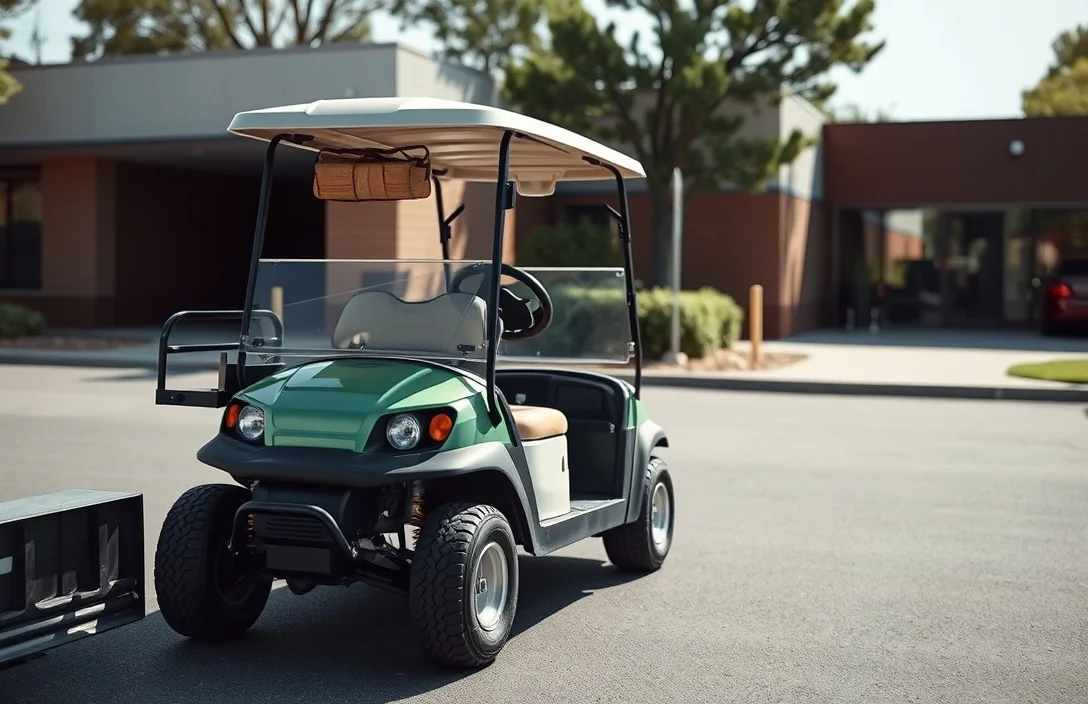
Using secure methods to transport a golf cart is essential for preventing damage during transit. Properly securing the vehicle not only protects the cart but also ensures safety on the road.
For instance, if transporting a golf cart in a trailer, it is recommended to load the cart towards the front of the trailer for better weight distribution. This positioning helps to maintain control and balance while driving.
When using tie-down straps, inspect them regularly for wear or damage. Frayed straps can break during transport, compromising the security of the golf cart. Always use straps that are rated for the weight of the cart.
In practice, it may also be beneficial to use wheel chocks in addition to tie-down straps to further secure the cart. This added layer of security can help prevent the cart from rolling or moving during transport.
Ensuring that the golf cart is secured properly is crucial for safe transport. Always double-check the tightness of the straps and the positioning of the cart before starting your journey.
Best Transport Methods
Trailer transport is the most flexible method for moving a golf cart over distance. Secure the cart with heavy-duty straps through solid frame points and use wheel chocks on the front and rear tires. If available, disable on-board charging or isolate the battery circuit to prevent charging while in transit, and cover the cart to protect exposed components.
Trailer transport is the go-to for longer moves. Choose a trailer rated for the cart’s weight, use ratchet straps or cam straps through sturdy frame points, and place wheel chocks at both ends. Keep battery terminals protected; remove loose accessories, and cover exposed areas to guard against moisture and debris.
Pickup truck transport is common for shorter moves. Align the cart with the bed length and strap it to the bed rails, with the front wheels chocked and the cart secured to avoid movement during braking.
Flatbed transport suits oversized or frequent moves. A cart cradle or wheel cradle helps stabilize the load, while straps secure the cart to sturdy anchor points along the bed.
| Battery Type | Transport Considerations | Best Practice |
|---|---|---|
| Lead-acid | Heavier, needs upright position, venting | Secure upright, check levels if flooded, use vented enclosure |
| Lithium | Lightweight, BMS protection | Verify BMS status, avoid shocks, keep cool |
Regardless of method, plan for battery access on site, avoid exposing terminals to moisture, and verify that straps remain tight after loading. Inspect the load at rest stops and after unloading to ensure no movement occurred during transit.
Battery Safety Protocols
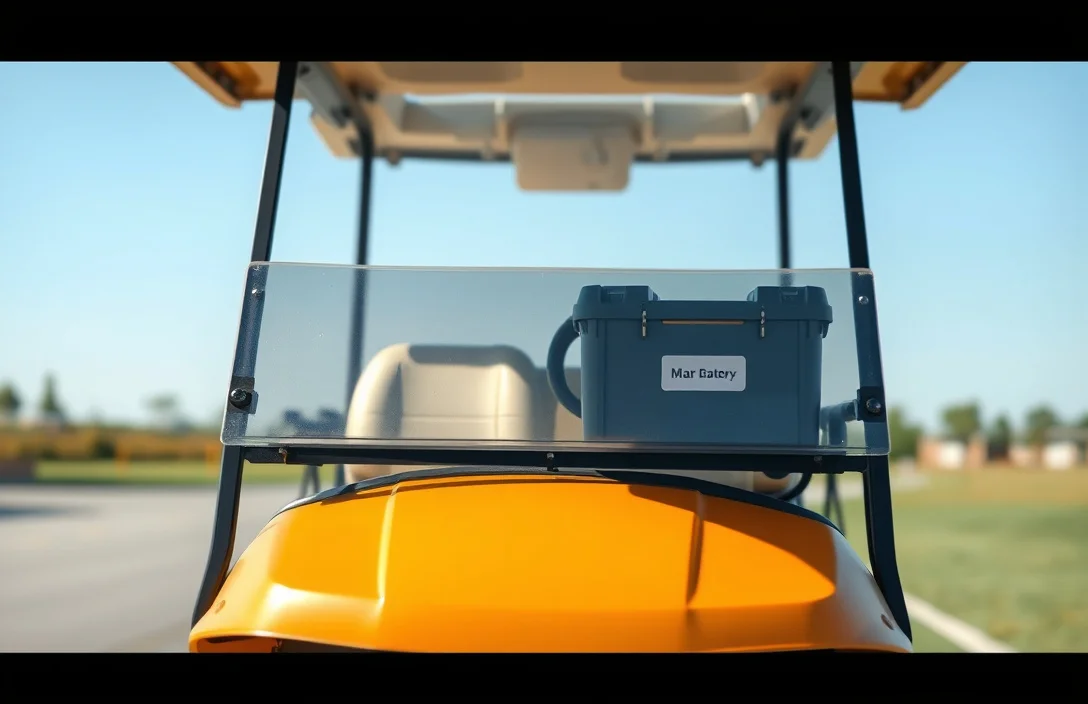
Keep the battery pack isolated and terminals protected during transport. Unplug any charging equipment, cover exposed terminals, and secure the pack upright to prevent short circuits. Lock down the pack to prevent movement.
Avoiding Short Circuits
Cover terminal posts with non-conductive caps, and use a purpose-built barrier or insulated wrap to prevent metal contact. Remove loose cables or tools that could bridge terminals during motion. Store the pack in a ventilated, non-conductive cradle and use tie-down straps through the cradle, not across terminals.
Inspect connectors for corrosion and wear; replace damaged wires before transport. If the cart includes a battery disconnect switch, engage it to ensure no accidental power draw during transit.
Preventing Battery Swelling
Swelling occurs when gas builds up inside cells, often from overcharging, heat, or internal faults. Do not transport a visibly swollen battery; discontinue use and arrange service. During transport, avoid sealed enclosures that trap gas, and provide space for venting.
For lead-acid packs, ensure electrolyte levels are checked and lids are closed; for lithium packs, ensure the BMS is active and venting features are functional. Use a protective outer case and avoid stacking heavy loads on top to minimize pressure on the cells.
Heat Management
High temperatures accelerate gas formation and can lead to venting or thermal stress. Keep the cart in shade or a well ventilated space, and use reflective covers or light, ventilated crates to reduce radiant heat. Allow airflow around the battery area during loading and transit.
If possible, transport in cool conditions, monitor ambient temperature, and avoid exposure to direct sun in open trailers. Do not leave a hot or warm pack unattended; temperature spikes can worsen internal cell stress and increase the risk of swelling or failure.
| Battery Type | Venting | Swelling Risk | Transport Tip |
|---|---|---|---|
| Lead-Acid | Yes, gases may vent | Low to moderate if not overcharged | Keep upright, use vented enclosure |
| Lithium (Li-ion / LiFePO4) | Typically sealed, minimal venting | Higher swelling risk if damaged or overcharged | Ensure BMS is active, use rigid container |
Safety note: swollen or damaged packs require professional assessment and should not be transported in a normal manner. Treat any irregular battery condition as a risk and pause transport until inspected.
Impact of Transport on Battery Health
Vibration during transport stresses golf cart batteries, potentially loosening connections and causing micro-movements inside cells. Temperature swings from sun, shade, and varying ambient conditions accelerate chemical aging and water loss in flooded packs while stressing lithium chemistries differently. Keeping the battery pack within a moderate temperature range and at mid-level state of charge minimizes irreversible capacity loss during trips.
Battery Maintenance Tips
Before moving a golf cart, inspect the battery system for swelling, leaks, corrosion, and loose connections. Confirm the charge state is appropriate for transit and that the BMS on lithium packs is not in fault. A clean, tight, and dry battery area reduces shorting risks during transport.
Regular Inspections
Pre-trip checks catch issues that could worsen during transport. Look for swollen cases, cracks, or leaks, and verify all cables and connections are secure. Confirm the cart is upright so vented gases stay away from the chassis and that the battery mounting is intact.
Inspect the charging state and cycling readiness. Lead-acid batteries should be near full or topped-off after a prior charging, while lithium packs should show a healthy state of charge on the BMS screen. If you see any fault codes, do not move the cart until resolved.
Safety note: transport-worthy batteries should not show swelling, leaks, or strong chemical smells. If any of these appear, postpone transport and consult a technician.
Cleaning Terminals
Corrosion on terminals increases resistance and can spark during movement. Remove the battery cover in a well-ventilated area and disconnect negative lead first. Use a baking soda solution to neutralize acid on flooded packs, then scrub gently with a non-metal brush and dry thoroughly.
After cleaning, wipe with a dry cloth and apply a thin layer of dielectric grease or a terminal protector to reduce future corrosion. Reconnect the cables starting with the positive terminal, then the negative, and tighten to recommended torque. If any terminal or clamp is damaged, replace before transport.
Top-off Water Levels
Water levels matter mainly for flooded lead-acid batteries or certain maintenance-required designs. Check the cart’s battery type and follow the manufacturer’s guidance. In transit, avoid overfilling to prevent electrolyte spills that can damage the cart or create slip hazards.
For flooded lead-acid packs, fill with distilled water to cover the plates by about 1/4 inch after charging. Do not fill above vent caps. For AGM sealed batteries and for lithium packs, do not add water; rely on factory seals and the internal BMS to manage health. Re-check levels after the first charge in transit as temperatures can shift expansion.
| Battery Type | Water Addition Required | Water Level Guidance | Notes |
|---|---|---|---|
| Flooded Lead-Acid | Yes | Cover plates by ~1/4 inch after charging | Distilled water only |
| AGM | No | N/A | Sealed; no water |
| Gel | No | N/A | Sealed; no water |
| LiFePO4 (Li-ion) | No | N/A | Monitored by BMS; no water |
Charging Considerations on the Go?
Plan charging around parked stops with proper ventilation and a stable power source. The onboard charger is designed to accept AC input from a wall outlet or certified portable power source, so use that setup when you have a safe, level place to park. Monitor battery temperature and state of charge during charging to avoid overheating or overcharging.
Using portable chargers can help when you are far from a shop, but they must match the cart’s pack voltage and have solid safety features. Select a dedicated 48V or 36V charging setup as required by the pack, not a generic 12V USB-C unit. Ensure the source supports the cart’s charger input and includes overvoltage, short-circuit, and temperature protections.
During stops, park on level ground, secure the golf cart, and connect the charger only after you are sure the area is safe. If you need only a partial recharge to reach the next stop, limit the charging window accordingly to minimize heat buildup. Lead-acid packs benefit from slower, staged charging in hot environments, while lithium packs rely on the BMS to manage safe charging across temperatures.
| Battery Type | Charging Considerations | Ventilation/Temperature |
|---|---|---|
| Lead-acid | Prefer controlled, lower-rate charging and maintain electrolyte levels; avoid full-charge in heat. | Vent fumes; ensure good airflow; keep away from sun or enclosed spaces. |
| Lithium | Use pack-specific chargers aligned with the BMS limits; avoid charging outside recommended temperature range. | Temperature affects performance; keep within manufacturer-specified range for charging. |
Monitoring charge levels is essential on the go. Use the cart’s SOC indicator or BMS app if available, and watch per-string voltages where accessible. Check for rising pack temperature, and stop charging if heat spikes or smells appear. Maintain a simple log of charge times and temperatures to guide future stops.
Safety reminder: never bypass safety features or plug into a damaged pack. If you notice heat, smoke, or a chemical odor, unplug immediately and move the cart to a safe area.
Quick Summary
Transporting a golf cart safely hinges on checking battery specs, securing the load, and following safe handling steps.
Frequently Asked Questions
How can I verify compatibility of a golf cart battery and charger for transport in a vehicle?
To transport a golf cart, first verify compatibility of the battery and charger by checking the system voltage (usually 36V or 48V) on the battery label and the cart documentation. Also confirm the connector type and charger output matches the battery chemistry.
What steps help manage heat when transporting a golf cart battery and charger?
During transport, keep the battery in a ventilated space away from direct sun and heat sources. Do not charge in hot vehicles and let any warm packs cool to room temperature before moving.
How do I estimate runtime for a golf cart during a trip and plan for on road charging?
To estimate runtime, use the battery’s amp hour (Ah) rating and the cart’s draw in amps: runtime (hours) ≈ Ah divided by load amps. Calculate planned charging stops based on that estimate and the trip distance or duration.
What safety precautions should I take during transport to prevent battery damage or short circuits?
Secure the battery and charger so they cannot move, disconnect and cover the terminals to prevent short circuits, and keep liquids and conductive tools away from the pack.
What are common buying mistakes when preparing to transport a golf cart, and how do they affect replacement timing?
Common buying mistakes include choosing the wrong voltage (such as 36V vs 48V) and buying a charger that isn’t compatible with the battery chemistry; these mistakes can lead to accelerated wear and earlier replacement due to improper charging.