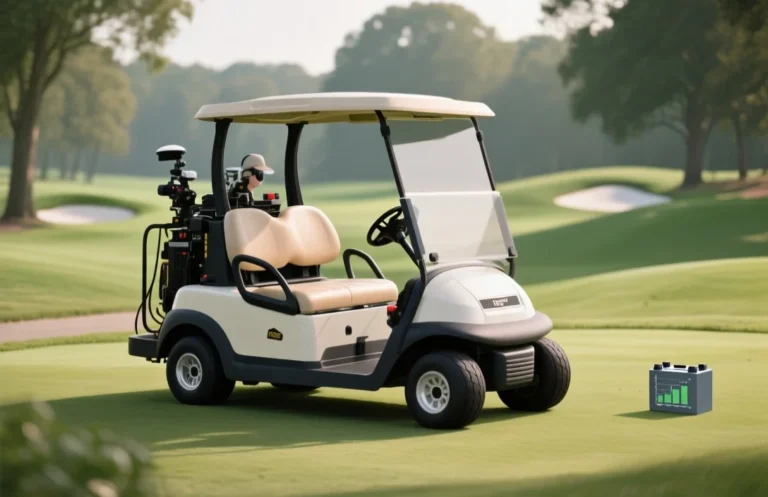

How To Tell If Golf Cart Batteries Are Bad?
How to tell if golf cart batteries are bad? comes down to matching the advice to your situation instead of following a generic checklist. I will focus on the main decision points, the tradeoffs that matter most, and the practical next steps you can use before spending time or money.
Golf cart battery health basics

Reductions in usable capacity and rising internal resistance are the core signs of aging golf cart packs. A degraded pack loses range, sags under load, and requires more frequent charging. Visible warnings like swelling or leaks demand immediate action.
What bad health looks like includes a mix of symptoms you can notice during normal use and on inspection. You might notice shorter trips between charges, slower acceleration, and higher battery temperatures during charging or use.
| Common failure mode | What happens | What to check |
|---|---|---|
| Sulfation (lead-acid) | Loss of capacity, harder to charge, voltage recovery is poor | State of charge, electrolyte level, hydrometer reading |
| Cell imbalance (multi-cell packs) | Voltage drift between cells, reduced usable capacity | Balance charging, BMS logs, check individual cell voltages |
| Thermal issues | Overheating, accelerated aging, swelling or venting | Temperature during charge/discharge, vent integrity, ventilation |
| Terminal problems | Higher resistance, loose connections reduce efficiency | Clean terminals, torque connections, inspect cables |
| BMS or protection faults (Li-ion) | Safety cutoffs, odd voltage behavior, reduced cycle life | BMS status, temperature, pack voltage trend |
Health directly translates to range and performance. A pack with reduced capacity or high internal resistance cannot deliver energy as efficiently, so you will notice shorter range and more energy drawn from the charger. Acceleration can suffer, and the cart may struggle on hills or under heavy load, especially when the pack is warm or fatigued.
Practical takeaway: if you see persistent range loss, verify pack health with voltage tests at rest and under load, inspect for swelling, and consult a technician before chasing cheap fixes.
Battery types and specs for carts
Common golf cart packs are flooded lead-acid or AGM batteries, typically arranged for 36V or 48V systems. Newer lithium options use the same pack voltage but report energy capacity in Ah or Wh rather than multiple 2V cells. Read labels to confirm pack chemistry, voltage, and capacity, and check any stated cycle life or warranty to gauge health and remaining life.
Visual and physical warning signs
Swelling or bulging cases, electrolyte leaks, corrosion and loose terminals, and unusual odors or venting signs are concrete, non-metric warning signs that a golf cart battery is failing. Treat any of these as high risk and stop using the pack until it has been inspected and replaced if needed.
A swollen case indicates gas buildup inside the cell and distortion of the plates. This is a safety hazard that can lead to rupture or fire, especially if the pack is charged or warmed. Do not recharge or apply pressure to the battery; move it to a well ventilated area and arrange professional evaluation.
Visible leaks mean electrolyte is escaping from one or more cells. Leaks can corrode terminals and surrounding hardware, and they raise the risk of short circuits. Do not touch the liquid with bare skin; wear eye protection and gloves if you must handle the pack, and replace the battery as soon as possible.
Corrosion on terminals or loose connectors appear as white crust, powder, or a greenish film around posts and cables. Poor connections create heat and arcing, which can damage the cart’s wiring and increase fire risk. Tighten only if you know the terminals are sound, and replace any damaged lugs or cables rather than reusing corroded parts.
A rotten egg or sulfur-like odor means hydrogen gas is escaping from the cells, often a sign of venting pressure or electrolyte decomposition. Venting signs may include hissing or visible vent caps moving. If you detect this odor, ventilate the area, avoid sparks or flames, and isolate the battery for inspection and replacement as needed.
| Visual sign | Likely issue | Immediate action |
|---|---|---|
| Swollen or bulging case | Gas buildup, plate distortion | Stop use, disconnect, move to ventilated area, arrange replacement |
| Leaks or wetness around cells | Electrolyte escape, seal failure | Do not touch liquid, clean spill with absorbent if safe, replace |
| Terminal corrosion or loose connectors | Poor connection, possible sulfation | Replace damaged parts, tighten only if sound, avoid reusing ruined hardware |
| Unusual odor or venting signs | Gas release, venting activity | Ventilate area, isolate battery, replace as needed |
Voltage and state of charge checks
Open-circuit voltage readings provide a direct insight into the health of golf cart batteries. A healthy battery typically shows a voltage close to its rated capacity when fully charged, while lower readings can indicate a need for replacement or maintenance.
Voltage under load will often differ from resting voltage due to internal resistance. To accurately assess battery health, it is crucial to measure both states. Resting voltage is obtained after the battery has been idle for a few hours, while voltage under load is measured while the battery is powering a device.
Regularly performing these checks can help identify issues early, ensuring the longevity and reliability of golf cart batteries. If readings consistently show low voltage or significant discrepancies between resting and load voltage, replacement may be necessary.
Capacity and runtime testing

Measuring the usable capacity and runtime of golf cart batteries involves assessing how much energy they can provide compared to their original specifications. A drop in capacity indicates battery degradation, which can affect performance. Conducting a simple load test offers valuable insights into their condition.
In practice, if the runtime decreases significantly compared to when the batteries were new, it signals a potential issue.
For example, if a battery that used to last 36 holes now only lasts 24, it may be a sign that the capacity has degraded substantially.
Regular testing and monitoring can help you identify battery issues early. Keep track of performance over time to spot trends in capacity loss, as this can inform decisions on when to replace the batteries to maintain optimal performance.
Charger compatibility and charging behavior
Using the correct charger is crucial for maintaining golf cart battery health. Chargers must match the battery’s voltage and amperage specifications to prevent damage and ensure optimal performance.
Smart chargers often provide multi-stage charging processes that can significantly enhance battery life. These chargers adjust voltage and current throughout the charging cycle, preventing overcharging and ensuring that batteries reach full capacity without damage.
In practice, the use of a smart charger can also promote better maintenance by providing diagnostic information. Many smart chargers will indicate battery health and charging status, allowing users to identify problems early.
Maintaining charger compatibility and adhering to proper charging behavior can significantly extend the lifespan of golf cart batteries. Regular checks and adherence to manufacturer guidelines will help prevent premature battery failure and ensure reliable operation.
Safety cues and replacement triggers
Signs indicating that golf cart batteries may need replacement include excessive heat, visible swelling, and fluid leaks. Monitoring these cues is crucial to prevent potential thermal runaway and ensure safe operation.
Proper handling of batteries nearing the end of their life is essential. Always wear protective gear, such as gloves and goggles, when dealing with potentially hazardous materials. When it comes time to dispose of or recycle old batteries, contact local waste management services or recycling centers to follow appropriate guidelines. Many regions have specific programs for battery recycling, ensuring that hazardous materials are handled safely and responsibly.
Staying vigilant about these safety cues and replacement triggers can help maintain the performance and safety of golf cart batteries, allowing for a more reliable and enjoyable experience on the course.
Battery health quick take
Swelling, overheating, leakage, or sudden run time loss are clear signs a golf cart battery bank is deteriorating. Uneven voltages between strings, excessive gassing during charging, or rapid capacity decline indicate cell damage or sulfation. If you see any of these, stop using the cart and start a safety check.
In practice, safety comes first, then verification with simple measurements. If tests reveal persistent weak cells or imbalanced strings, replace the bank or seek professional service to prevent unsafe operation.
Quick Summary
Test a golf cart pack for voltage, capacity, and safety signs to decide when replacement is needed.
Frequently Asked Questions
How can I tell if golf cart batteries are bad based on charger compatibility and charging behavior?
If your charger runs but the pack never reaches the expected voltage after a full session, the batteries are likely bad. For a typical golf cart, a full charge should bring the pack to near its nominal voltage (36V or 48V); if you see significantly lower numbers, that is a red flag. Consider testing the pack or consulting the manual for cell-level tests.
Can heat or swelling indicate bad golf cart batteries, and what temperature threshold should I watch for?
Yes, excessive heat or swelling is a safety sign that a battery may be failing. If a battery case is hot to the touch during charging or the pack warms more than 20 degrees Fahrenheit above ambient, stop charging and inspect or replace the pack.
How can I tell from run time if golf cart batteries are bad, and what is a practical test?
If your typical ride range drops by about half after a full charge, that’s a sign the pack has lost capacity. A quick check is to compare the actual run time to what the label says for your cart; if the pack is older than 3-5 years, replacement becomes more likely.
When should I replace golf cart batteries for safety and timing?
Most lead-acid golf cart batteries last about 3-5 years under normal use; replace them when you can no longer achieve a useful ride range or you notice leakage, cracks, or venting. Do not mix damaged packs with good ones and avoid continuing to use batteries that overheat or swell.
What common buying mistakes should I avoid when replacing golf cart batteries?
Avoid mixing old and new batteries or buying the wrong voltage; always buy a matched set with the same voltage and capacity as your cart’s pack. Check the label for compatibility, warranty, and whether the batteries are flood, AGM, or gel type to match your cart’s design, and buy from a reputable supplier.