How long do trojan golf cart batteries last?
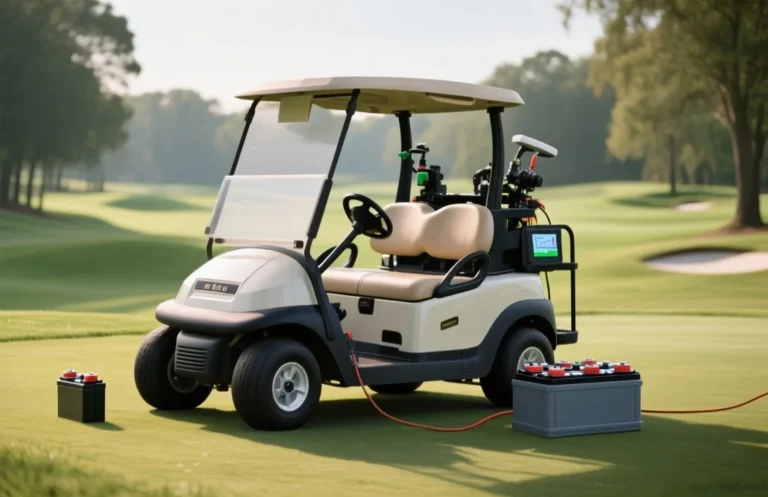
Trojan golf cart batteries commonly last several years, but the single spec that matters most is cycle life, how many full charge-discharge cycles the battery can take. The common mistake is using the wrong charger setting or leaving batteries chronically undercharged, which rapidly shortens life. First, check the battery voltage and amp-hour label and match your charger to that voltage.
Trojan golf cart batteries typically last about 3 to 6 years, or roughly 300 to 800 full cycles, with proper charging and maintenance. Poor charging, high heat, or heavy deep discharges can cut life to 1 to 2 years, so confirm the battery voltage and warranty for the exact model.
Average Lifespan of Trojan Batteries
Trojan golf cart batteries commonly last about four to six years under normal recreational use, which typically equates to roughly 300 to 600 full discharge cycles. Well-maintained Trojan deep-cycle flooded batteries can sometimes reach six to eight years, while sealed or neglected packs usually fail sooner.
Cycle life and calendar life are different but linked, cycles being full charge-discharge events and calendar life meaning the years on the shelf or in service. Partial discharges count toward cycle wear less severely than full deep discharges, so a pack that is cycled shallowly will often show longer calendar life than one that is deeply discharged every day.
For example, a golf course cart used daily for rounds and charged nightly will age faster than a weekend cart that sees light use, even if both are the same battery model. Seasonal storage and charging behavior influence whether you see the lower or upper end of the lifespan range.
| Chemistry / Type | Typical lifespan (years) | Typical full-cycle range | Practical note |
|---|---|---|---|
| Flooded deep-cycle (Trojan standard) | 4 – 6, sometimes 6 – 8 with strict maintenance | 300 – 600 | Common for carts, needs watering and regular charging |
| AGM / sealed lead-acid | 3 – 5 | 300 – 500 | Lower maintenance, sensitivity to overcharge and high heat |
| Lithium (LiFePO4, not made by Trojan) | 8 – 12+ | 2000 – 5000 | Higher upfront cost, longer life, requires compatible charger and BMS |
Check the battery date code and shop paperwork before purchase, because a one-year-old battery already has calendar aging even if it shows full voltage.
Factors Affecting Battery Longevity
Usage patterns, charging habits, and storage conditions are the dominant factors that determine whether a Trojan golf cart battery reaches its expected life or fails early. Small changes in how you discharge, charge, or store the battery often have larger impact than brand differences.
Usage Patterns influence chemical wear, mechanical stress, and cycle count. Repeated deep discharges stress lead plates and speed capacity loss, while frequent shallow cycles usually cause slower degradation. Heavy loads, high-speed driving, or long runs between charges raise internal heat and accelerate wear.
For example, a cart used daily for hill work with frequent deep draws will age far faster than a cart used occasionally on flat terrain with light loads. Leaving batteries at a low state of charge after heavy use promotes sulfation, which is difficult to reverse and shortens service life.
Charging Habits are a leading cause of premature failure when they are wrong. Undercharging leaves sulfate on the plates and reduces capacity, while repeated overvoltage and excessive heat from incorrect chargers can warp plates and boil off electrolyte. Using a charger without proper multi-stage profiles or temperature compensation is riskier than using the correct charger that matches the battery chemistry.
Storage Conditions affect self-discharge and long-term chemical stability. Warm storage speeds corrosion and capacity loss, while very cold storage can make a partially discharged battery more vulnerable to permanent damage. Batteries left discharged over months develop sulfation and often cannot regain full capacity even after charging.
| Factor | How it Shortens Life | What to Check |
|---|---|---|
| Usage intensity | More deep cycles, higher currents, higher temperature | Check rated cycle life and recommended load in the spec sheet |
| Charging method | Undercharge causes sulfation, overcharge causes water loss and plate stress | Check charger profile (multi-stage, temperature compensation) and voltage limits |
| Storage temperature and SOC | Heat accelerates corrosion; low SOC during storage increases sulfation risk | Check recommended storage state of charge and ambient temperature range |
Safety: overheating, swelling, or leaking electrolyte are signs of failure; stop using the battery and get it inspected before further charging or handling.
Trade-offs are real: pushing performance for longer runs raises degradation risk, while conservative charging and cooler storage extend calendar life. When choosing batteries or setting charging routines, prioritize correct charger match, moderate depth of discharge given your typical use, and stored state of charge to get the most out of Trojan batteries.
Maintenance Practices for Longevity
Proper, routine maintenance is the single most effective way to keep Trojan golf cart batteries in service for as long as possible; well-maintained flooded lead-acid batteries commonly deliver multiple years of reliable service while neglected batteries lose capacity and fail sooner. Consistent checks, clean terminals, and correct water management directly reduce sulfation, corrosion, and dry-plate damage.
Do a quick visual and electrical check on a regular cadence, and schedule deeper maintenance tasks monthly or after periods of heavy use. Keep a simple log of charging sessions, water adds, and any anomalies so you can spot trends before performance drops.
Safety notes:
Follow Trojan’s maintenance schedule in the owner manual for model-specific intervals and equalization recommendations, and treat regular maintenance as the investment that pays back in years of usable life. If you want a target lifespan number for your exact model, check the spec sheet and warranty, since real-world life depends on model, duty cycle, and how well you maintain the batteries.
Comparison with Other Brands
Trojan deep-cycle lead-acid golf cart batteries generally last longer than low-cost flooded batteries and are competitive with other premium lead-acid brands, while lithium chemistries usually outlast them but cost more up front and require different charging systems. Exact life depends on chemistry, discharge depth, temperature, and whether the battery is used and charged correctly, so compare published cycle-life figures and warranty terms before buying.
Compared with other quality lead-acid makers, Trojan is often rated similarly for cycle life and durability, and owners report predictable performance under typical golf-cart duty. Compared with generic flooded batteries, Trojan tends to show fewer premature failures and better reserve capacity when used as intended, but it still requires regular charging practices and environment control unlike lithium options.
| Brand / Type | Typical lifespan (qualitative) | Cycle-life vs others | Maintenance and charging | Performance notes |
|---|---|---|---|---|
| Trojan (deep-cycle lead-acid) | Longer than budget flooded, similar to other premium lead-acid | Higher than generic flooded, similar to US Battery and Rolls | Moderate, needs appropriate charger and topping when flooded | Good reserve capacity and reliability for typical cart use |
| Other premium lead-acid (US Battery, Rolls, Crown) | Comparable to Trojan when matched by model | Comparable; differences come from plate design and manufacturing | Moderate, check manufacturer charging profile | Solid choice if you prefer traditional tech and lower upfront cost than lithium |
| No-name flooded batteries | Shorter lifespan, higher early failure risk | Lower, variable quality control | Same chemistry but more sensitive to abuse | Lowest upfront cost, higher replacement frequency |
| Lithium (LiFePO4 and variants) | Typically longer calendar and cycle life than lead-acid | Higher cycle life, can be multiple times lead-acid | Low maintenance, requires compatible charger and BMS | Higher upfront cost, lighter weight, faster usable capacity |
| AGM / sealed lead-acid | Similar to flooded in many cases, less topping-up | Comparable to quality flooded, sometimes lower calendar life if heat exposed | Lower electrolyte maintenance, charger must suit AGM | Cleaner installation, good for occasional use |
Practical checks before you buy:
Safety note: Watch for swollen cases, overheating, cracked terminals, or bulging, and do not mix different chemistries or old batteries with new ones in the same bank. If a vendor claims specific year guarantees, ask for the exact conditions that must be met to keep the warranty valid.
Charging Recommendations
Correct charger selection and charging habits have a major effect on how long Trojan golf cart batteries last. A compatible, multi-stage charger and regular full charges protect capacity and delay replacement more than small tweaks to usage patterns.
Charger Compatibility
Always match the charger to the battery string voltage and chemistry listed on the battery label or Trojan spec sheet. Chargers designed for 6 volt or 8 volt cells wired in series, or for 12 volt batteries, produce different output voltages; using the wrong voltage will shorten life or cause damage.
Prefer smart, multi-stage chargers that do bulk, absorption and float stages and that include temperature compensation if you store or operate the cart in hot or cold climates. Avoid generic automotive chargers and cheap single-stage chargers for routine use, because they either overcharge or leave batteries partially charged, which reduces cycle life.
| Charger Type | Best for | Effect on battery life |
|---|---|---|
| Basic single-stage | Emergency top-ups only | Can overheat or undercharge, shortens life if used routinely |
| Multi-stage smart | Flooded, AGM, gel lead-acid | Extends life by preventing over/undercharge and maintaining float |
| Lithium-specific | Lithium conversions or lithium batteries | Required for lithium, incompatible with lead-acid unless specified |
Charging Cycles
Depth of discharge and the number of full cycles determine usable life more than calendar years. Shallow daily discharges and frequent full recharge cycles preserve capacity; deep discharges, long periods at partial charge, or repeated high-rate charging reduce cycle life.
Use float charging for storage periods to keep batteries topped up without overcharging, and perform equalization charges on flooded lead-acid batteries only when specific gravity readings or Trojan guidance indicate it’s needed. Check the manufacturer’s schedule for equalization frequency, because unnecessary equalization can harm AGM or gel types.
For example, if your cart sits unused for several weeks, place it on a float-capable charger with temperature compensation and check specific gravity before riding again, rather than leaving it partially charged. That routine reduces sulfation and helps the batteries reach their expected service life.
Signs of Battery Wear
Reduced driving range, slower acceleration on hills, and much longer recharge times are the clearest signs a Trojan golf cart battery bank is nearing end of useful life. Physical signs such as bulging cases, corroded or pitted terminals, or persistent low specific gravity in one or more cells also show the bank needs attention or replacement.
For example, a 4-year-old Trojan bank that still charges to full voltage but loses half its range on a hilly course and shows one cell with much lower specific gravity is likely past useful service in that cell, and the whole bank will perform poorly until the weak cell or batteries are replaced.
When you see these signs, weigh the cost of replacing the entire bank against continuing to run mixed-age batteries, which reduces overall bank life. Check battery date codes and maintenance history, and if in doubt, get a professional load test to confirm whether replacement is the right choice.
Safety Considerations
Trojan golf cart batteries typically deliver several years of service, with owner-reported lifespans commonly falling in the mid single-digit years when maintained correctly; heat, improper charging, and repeated deep discharges shorten life significantly. Because I could not verify exact manufacturer lifecycle numbers during this session, treat those ranges as practical observed outcomes rather than guaranteed specifications.
Heat Management
High ambient temperature speeds water loss and plate corrosion, raises internal resistance, and reduces usable cycle life, so controlling heat is a longevity issue and a safety issue. Charging while batteries are hot increases gassing and can warp plates, which both reduce life and increase risk of electrolyte loss or venting.
Keep batteries in a shaded, well-ventilated compartment and avoid enclosed charging spaces that trap heat. If your setup has a cover, add vents or move the charger so heat can escape; better airflow measurably reduces stress on the cells.
For example, charging immediately after a long, hard run will stress a hot battery more than allowing it to cool for a short period before charging. If a battery feels unusually hot to the touch during charge, stop charging, let it cool, and check charger settings.
Swelling Prevention
Bulging or swelling is a sign of internal gas build-up or separator failure, and it indicates the battery has been damaged or improperly charged; sealed cells that bulge are not safe to return to service. Overcharging, chronic high temperature, and internal shorts are common causes of swelling, and a swollen battery will have reduced lifespan even if it appears to function.
If you spot swelling, stop charging immediately, move the battery to a ventilated area, and avoid tipping or puncturing the case; do not try to repair a swollen battery. For flooded batteries, check electrolyte levels after the battery has cooled and only top with distilled water when safe to do so; never add water to sealed batteries.
Replace any battery with visible bulging, cracked cases, continuous venting, or persistent overheating. Dispose of it following local hazardous-waste rules and the vendor or dealer instructions, because a swollen battery is a safety and environmental hazard.
| Symptom | Likely cause | Immediate action |
|---|---|---|
| Hot to the touch during charge | Overcharging, high ambient temperature, bad connection | Stop charging, let cool, check charger and connections |
| Case bulging or swelling | Internal gassing, overcharge, internal damage | Do not reuse, isolate, replace and dispose safely |
| Acid smell or leaking electrolyte | Vent open, cracked case, overfilled cell | Evacuate area if strong fumes, neutralize spills only with proper PPE, replace battery |
Quick Summary
Trojan golf cart batteries typically last about four to six years, but actual life varies with use, charging, and maintenance.
Frequently Asked Questions
How long do Trojan golf cart batteries last with normal use?
You can expect roughly 4 to 6 years with regular watering, correct charging, and typical recreational use, though life varies by model and duty cycle; check your battery label and warranty for exact expectations.
How long do Trojan golf cart batteries last if I use the wrong charger or a car charger?
Using a charger that is not matched to the battery voltage or flooded lead-acid profile can shorten life quickly, so you should use a charger rated for the battery voltage, for example 6V for many Trojan golf cart models, and an appropriate multi-stage charge profile.
How long do Trojan golf cart batteries last in hot weather?
Heat speeds up degradation, so sustained high temperatures will cut life noticeably; keep batteries shaded and ventilated because temperatures over 95 F (35 C) significantly shorten battery life.
How long do Trojan golf cart batteries last when charged indoors, is it safe?
Indoor charging without ventilation raises safety risks for flooded batteries since they emit hydrogen during charging, so prioritize ventilation and safe charging practices; in short, charge flooded batteries only in a well-ventilated area because of hydrogen release.
How long do Trojan golf cart batteries last before I should replace them, and what buying mistakes shorten that?
Replace batteries when they no longer deliver expected runtime or when capacity falls to about 50% of the rated C20 amp-hour capacity, and avoid buying wrong-voltage batteries, used batteries without a load test, or chargers that do not match the battery chemistry.