
Golf Cart Battery Installation Cost
Power decision first: choose the right voltage and chemistry to suit your golf cart. The most important spec is system voltage and how the battery chemistry interacts with the controller and charger. The common mistake is swapping to a different chemistry without upgrading the BMS and wiring. The first label to check is the cart’s voltage rating on the battery compartment sticker or in the manual.
golf cart battery installation cost varies by voltage, pack type, and labor. For a typical 48V cart, expect roughly $1,200 to $2,500 for a lead acid replacement, whereas a 48V lithium upgrade can run about $2,500 to $5,000, and a 72V system may reach $4,000 to $7,000 installed.
- Charger and settings. Verify charger voltage matches the pack and the
golf cart battery installation cost: Common Configurations
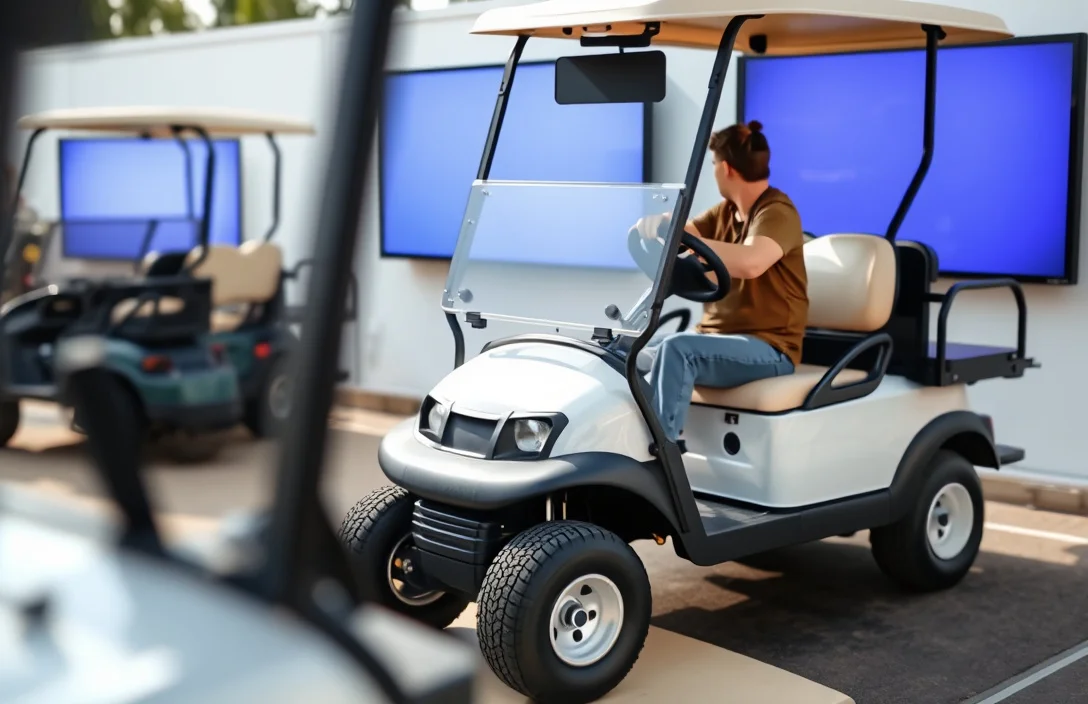
Typical golf cart battery installs center on voltage targets and chemistry. The two common configurations are 48V and 72V, with lead-acid options offering lower upfront cost and lithium packs delivering longer life and faster charging; this mix drives parts and labor needs. The total installed price shown here is illustrative planning range and actual quotes vary by cart model, region, and supplier.
Battery Pack Choices and Costs
Upfront pack costs vary by chemistry and voltage, with lead-acid options offering the lowest sticker price and lithium packs delivering longer life and lighter weight. Total installed price includes the battery, proper charger, a BMS if needed, wiring, mounting hardware, fuses, connectors, and labor. The ROI favors lithium when you log many cycles and avoid maintenance, but initial outlay is higher.
Charger, BMS, and Wiring

Charger voltage must match the golf cart pack voltage, and charging profile depends on chemistry. Lithium packs require a CC-CV charger that communicates with the BMS and terminates charging at the proper end of charge voltage for the cell count. Wiring gauge and protective fuses must be sized to carry the expected charge current safely.
Hardware and Mounting
Mounting hardware for a golf cart battery upgrade typically runs about 50 to 250 USD, depending on tray material, corrosion resistance, and whether you add extra fuses and high-amperage connectors. Premium trays, brackets, and sealed wiring push toward the upper end.
Mounting trays and hardware: Tray choice matters for size, weight, and mounting pattern. Basic plastic trays may cost 20-60 USD, while metal or reinforced trays can run 60-180 USD. Brackets and mounting hardware add another 10-50 USD. Ensure the tray weight rating matches your battery pack and that mounting points align with the cart frame.
Fuses, connectors, and wire gauge: A proper setup uses a fuse or disconnect rated for the maximum current, plus distribution blocks and weatherproof connectors. Wires should be sized by current and run length; 4 AWG to 2 AWG copper is common for 48V systems, thicker for 72V. A kit with fuse holder, positive and negative connectors, and weatherproof wiring runs typically costs 15-60 USD, depending on length and insulation.
For example, upgrading a 48V lead-acid cart on a mid-sized model might involve a basic tray 25-70 USD, two brackets 10-25 USD, a fuse/distributor block 10-20 USD, wiring kit 20-40 USD, and weatherproof connectors 5-20 USD. Hardware totals around 70-180 USD before labor.
| Component | Material/Notes | Typical cost range (USD) | What to check |
|---|---|---|---|
| Mounting tray | Plastic or metal; corrosion-resistant | 20-180 | Match length and bolt pattern to battery pack |
| Brackets and fasteners | Stainless steel or coated steel | 10-50 | Secure mounting, avoid flex |
| Fuses/Disconnector | Inline fuse block or disconnect | 5-25 | Correct amp rating for max current |
| Wire kit (gauge and insulation) | Grouped leads with insulation | 15-60 | Length enough to reach, proper gauge |
| Connectors and terminals | Weatherproof; marine-grade if exposed | 5-40 | Low resistance, reliable crimp |
| Insulation/grommets | Heat shrink, boot, grommets | 5-15 | Protects from abrasion and moisture |
Note: Poorly chosen hardware can cause short circuits, wire chafing, or battery mounting shifts during operation. Always verify tray compatibility with your cart model and battery size before purchasing.
In practice, budget for at least a small premium if your cart has non-standard mounting points or needs corrosion protection. The next section will break out labor and regional rates to complete the installed price.
Labor and Regional Rates

Professional installation costs scale with local labor rates and cart voltage. A full upgrade generally takes 4 – 8 hours for 48V configurations and 6 – 12 hours for 72V configurations, with additional time for safety checks and testing.
Safety, Warranty, and Compliance
Safety steps and proper storage prevent overheating and fires during golf cart battery work. Warranty terms vary by chemistry, with lithium systems often offering longer coverage than flooded lead-acid, though charging requirements can be stricter. Verify the exact terms on the label and with the installer before purchase.
Key safety steps cover handling, storage, and ventilation during installation and maintenance.
Warranty terms by chemistry indicate how long the pack remains eligible for replacement or prorated credit, and what behaviors void coverage. The table below shows common ranges and what is typically included and excluded, though exact terms vary by manufacturer and region.
| Chemistry | Typical Warranty Term (years) | What It Covers | Common Exclusions |
|---|---|---|---|
| Flooded Lead-Acid / AGM / Gel | 1 – 3 | Manufacturing defects, capacity within spec | Damage from abuse, improper charging, sulfation from neglect |
| Lithium (LiFePO4 and similar) | 3 – 8 | Manufacturing defects, sustained performance per spec, safety protections | Damage from overcharging, deep discharges beyond spec, improper BMS wiring |
Disposal and recycling are regulated in most regions. Do not discard damaged packs with household waste; use manufacturer take-back programs or local e waste services. Recycling helps prevent environmental contamination and recovers valuable materials.
Compliance considerations cover labeling, charging limits, and transport rules. Look for documentation showing proper voltage ratings, venting and safety features, and any certification marks such as UL or CE. When installing, ensure wiring, fuses, and connectors meet local electrical codes and the cart maker guidelines.
These safety, warranty, and compliance factors influence the total installed cost and the risk profile of the project.
DIY Feasibility and Plan
Professional plan outline: The installed price for golf cart battery upgrades varies with system voltage (48V or 72V) and chemistry (lead-acid AGM/gel vs lithium). Major cost categories are the battery pack, charger, Battery Management System (BMS) when required, wiring and connectors, mounting hardware, fuses, and labor.
In practice, lithium systems tend to cost more upfront but offer longer life and higher energy density; obtain multiple quotes to bound the total.
DIY feasibility steps: Confirm cart voltage, space for a heavier pack, and whether your cart frame can support the weight. If you lack high current wiring experience, consider professional help to avoid mis-wiring or shorts. Gather a rough parts list and budget before choosing DIY or pro installation.
| Item | Notes | Typical installed range (USD) |
|---|---|---|
| Battery Pack | Lead-Acid/AGM/Gel or Lithium; 48V or 72V | Lead-Acid: 500 – 1,200; Lithium: 1,500 – 5,000 |
| Charger | Smart charger compatible with pack voltage | Lead-Acid: 150 – 500; Lithium: 400 – 900 |
| BMS | Required for lithium; optional for lead-acid | 80 – 250 |
| Wiring & Connectors | Heavier gauge, custom harnesses | 50 – 250 |
| Mounting Hardware | Tray, brackets, fasteners | 50 – 150 |
| Fuses & Protective Devices | DC fuses or breakers | 20 – 60 |
| Labor (Professional Install) | Region dependent, typically 2 – 6 hours | 150 – 900 |
Labor estimates: In regions with high labor rates, pro installation can push toward the upper end, while rural areas may be lower. A typical pro install for a 48V or 72V replacement may take 3 – 5 hours, with lithium kits requiring extra time for BMS setup and wiring routing. Always request a detailed breakdown of hours and hourly rate before work begins.
DIY-friendly scope with caveats: If you choose a hands-on route, limit to a pre-packaged kit designed for golf carts and follow the supplier instructions exactly. Use a documented, rated kit, avoid mixing chemistries, and preserve proper ventilation for flooded cells. Plan for a thorough safety check and have a fire extinguisher rated for electrical fires on hand. If any step feels uncertain, pause and consult a professional to avoid safety or warranty risks.
Quick Summary
Expect golf cart battery installation cost to vary by battery type and labor, so plan for parts plus professional installation.
Frequently Asked Questions
How does golf cart compatibility with voltage and battery type affect installation cost?
Compatibility with your cart’s voltage and battery type drives most of the cost. Base installation fees are typically $100-$200, plus the battery price.
Does ambient heat during installation affect the cost or duration of installing a golf cart battery?
Yes, hot conditions can slow work and require cooling breaks. Hot conditions can add 0.5 to 2 extra labor hours, increasing total labor cost.
How does battery capacity and expected runtime influence installation cost when replacing golf cart batteries?
Higher capacity means bigger packs and more wiring or protection hardware, which raises costs. Lithium packs can add about 10-25% to the overall installation cost due to additional BMS and enclosure needs.
What safety considerations should affect replacement timing and cost when installing a golf cart battery?
Safety steps like proper disconnects, ventilation, and PPE add to the job; replacement timing varies by type. Lead-acid replacements are typically 3-5 years, while lithium can last 7-10 years, influencing when you plan future costs.
What common buying mistakes raise installation costs for golf cart batteries, and how can you avoid them?
Avoid buying a non-compatible battery or wrong voltage, as this triggers costly rework. A non-compatible battery or wrong voltage can trigger $100-$300 in rework, so always verify cart voltage, connector type, and cell count before purchase.