How Much Should You Budget For New Golf Cart Batteries
Budgeting for fresh golf cart batteries boils down to one fact: the chemistry you choose drives the price more than the cart size. The most important spec is the pack voltage and chemistry, not the size of the battery bank. The first label to check is the voltage and chemistry printed on the case. Expect the price range to vary from a few hundred dollars for basic lead-acid to several thousand for a lithium pack, with installation and disposal extra.
Budget range for golf cart batteries typically runs from about 800 to 2,500 dollars for lead-acid packs, and 2,000 to 4,500 dollars for lithium packs, plus 150 to 300 dollars for disposal and installation. Set aside extra for chargers or maintenance, and verify the warranty terms before buying.
how much should you budget for new golf cart batteries

A full replacement for a golf cart battery system typically falls in the low hundreds to several thousand dollars, depending on cart size, voltage, and pack choice. The main price levers are total pack voltage, usable capacity, installation, and disposal costs.
Several practical factors set the total cost, and a simple budgeting framework helps you pick a target price. Start with your cart’s typical use and how many years you expect to use the new pack, then adjust for capacity and installation needs.
Budget targets by usage and cart size help you set expectations before shopping.
| Use case | Cart size | Budget target (qualitative) |
|---|---|---|
| Casual home use | 2-4 seat | Lower end to mid-range |
| Frequent club or resort use | 4-6 seat | Mid-range with solid longevity |
| Commercial fleets or premium lithium upgrade | 6+ seats | Premium to top tier |
Tip: Get multiple quotes that clearly list core credits for your old batteries, warranty terms, and what install work is included so you can compare apples to apples.
Battery types and price ranges
Lead-acid options stay the most affordable upfront. For a 48V golf cart, you’ll typically install either eight 6V blocks or six 8V blocks.
Flooded 6V/8V units run roughly 70 to 140 per block, while AGM variants run about 150 to 260 per block. That means a full 48V replacement with eight 6V blocks runs about 560 to 1,120, while six 8V blocks clock in around 660 to 1,080.
AGM blocks cost more per unit, so a full 48V AGM kit typically lands in the 1,000 to 2,000 range. You pay for maintenance-free operation and better resistance to vibration and spills in real golf-cart use.
Lithium packs start higher, typically 3,000 to 6,000 for a 48V golf cart system. The premium is paid for higher energy density, longer cycle life, lighter weight, deeper discharge, and an integrated battery management system that supports modern charging gear.
| Chemistry | Common block sizes used | Price per block (typical) | Typical 48V system price | Notes |
|---|---|---|---|---|
| Lead-Acid Flooded | 6V blocks or 8V blocks | 6V: $70 – $140; 8V: $110 – $180 | Eight 6V: $560 – $1,120; Six 8V: $660 – $1,080 | Lowest upfront cost; maintenance required |
| Lead-Acid AGM | 6V blocks or 8V blocks | 6V: $150 – $260; 8V: $210 – $420 | Eight 6V: $1,200 – $2,080; Six 8V: $1,260 – $2,520 | Maintenance-free variants with better seals |
| Lithium (LiFePO4 or NMC) | Pack-based (48V) | N/A per block | $3,000 – $6,000 | Higher upfront cost; longer life and lighter weight |
Bottom line budget planning for golf cart batteries should consider total cost of ownership, not just the sticker price. If you use the cart frequently and rely on efficient charging, lithium often pays back through fewer replacements and easier maintenance.
Price drivers: capacity and cycle life

Capacity and cycle life determine the long-term value of golf cart batteries. Capacity sets how much energy you can store, while cycle life determines how often you must replace the pack.
Replacement timing and longevity costs
Replacement timing is driven by chemistry and usage. Flooded lead-acid and AGM packs typically last 3 – 5 years with proper charging and maintenance, while LiFePO4 packs commonly last 8 – 12+ years or many thousands of cycles; higher upfront cost can be offset by longer life and lower maintenance.
Usage patterns strongly influence final life. Frequent deep discharges, high temperatures, and improper charging shorten cycles for all chemistries, while keeping the pack within recommended state of charge and ambient temperature can extend overall life.
To budget effectively, start with expected lifespan and expected cadence. For heavier daily use, lead-acid packs often require replacement every 3-4 years, while LiFePO4 can reach 8-12 years or more. If you routinely discharge to low SOC or operate in heat, these intervals compress for all chemistries. Weigh total cost of ownership by combining upfront price, replacement cycles, and maintenance tasks.
| Chemistry | Typical Lifespan (years / cycles) | Estimated Replacement Cost Range | Notes / Considerations |
|---|---|---|---|
| Flooded Lead-Acid | 3 – 5 years; ~1,000 – 1,500 cycles | $600 – $1,200 per 48V pack (typical range) | Requires water topping and venting; performance drops with deep discharge and heat; best managed with proper charging and regular maintenance. |
| AGM Lead-Acid | 4 – 6 years; ~600 – 1,200 cycles | $600 – $1,400 per pack | Maintenance-free relative to flooded types; more tolerant of abuse but still sensitive to deep discharge and heat; pair with a smart charger for longevity. |
| LiFePO4 (Lithium Iron Phosphate) | 8 – 12+ years; ~2,000 – 5,000 cycles | $2,500 – $5,000 per 48V pack | Low maintenance; high tolerance to deep discharge and heat; higher upfront cost but longer life and better performance under frequent use; ensure compatible BMS and charger. |
Cost implications of replacement timing hinge on planned operating life. Replacing early wastes remaining capacity and increases annualized cost, while delaying replacement can reduce performance and reliability and may incur higher labor and downtime costs.
Charger needs and compatibility costs
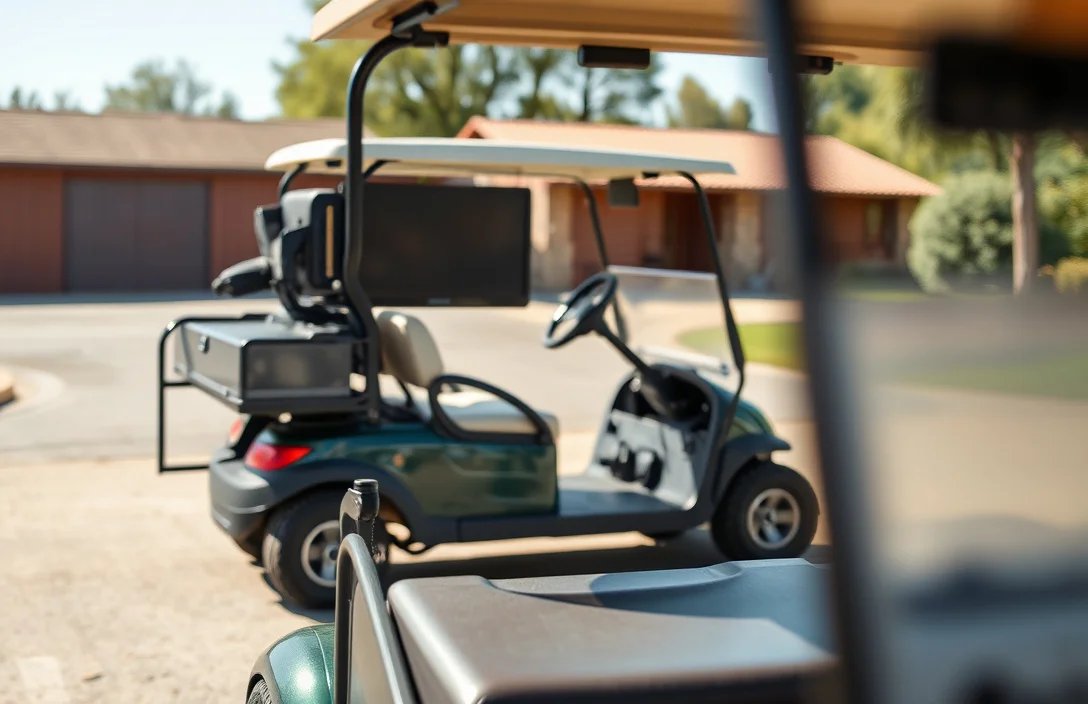
Charger compatibility is part of the replacement cost. The charger must match the pack voltage and Ah rating, and switching chemistry often requires a dedicated charger and BMS integration, which adds to the total.
| Scenario | Impact on charger needs | Notes |
|---|---|---|
| Same voltage, same chemistry | Likely reuse existing charger | Double-check current rating and condition |
| Same voltage, different chemistry | Charger with appropriate chemistry profile required | Expect BMS considerations |
| Higher voltage or larger Ah pack | New higher voltage charger and possibly thicker cabling | Ensure all safety ratings match |
| New connector type | Adapter or new charger | Confirm compatibility with cart and charging station |
Important safety note: a mismatched charger can overheat, vent, or damage cells. Always verify exact voltage current and connector before buying a charger.
Hidden costs: installation, cables, permits
Upgrading golf cart batteries often costs more than the battery price alone due to mounting hardware and securement needs. You may need a new tray or bracket, hold-downs, and vibration-damping hardware, which adds a one-time fee. Heavier cables and proper connectors become necessary as you move to higher current packs.
Routing and wire length affect both cost and safety. Larger gauge cables, terminal lugs, and bus bars raise the bill but improve reliability and prevent overheating. A neat, code-compliant install reduces risk of chafing, shorts, and accidental disconnection during use.
For example, a lithium upgrade may need a redesigned shelf, a main disconnect, and proper fuses near the pack. DIY wiring mistakes can create safety hazards, damage chargers or BMS, and may void warranties if not done to code.
| Item | Typical Cost Range | What It Covers | Notes |
|---|---|---|---|
| Mounting hardware and tray | $20 – $150 | Brackets, trays, hold-downs, vibration dampers | Needed for secure fit and long life |
| Heavy-gauge cables and lugs | $40 – $300 | High-current cables, terminals, bus bars | Longer runs or higher voltage may raise cost |
| Fuses, switches and disconnects | $15 – $100 | Inline fuses, DC contactors, disconnects | Critical for safety and quick removal |
| Professional installation labor | $150 – $600 | All wiring, mounting, safety checks | Complex installs cost more |
| Permits and HOA approvals | $0 – $200 | Electrical permit, HOA rules, inspections | May be required in some jurisdictions |
Budgeting for these hidden costs helps avoid surprises and keeps the project on track with your overall budget. Weigh professional installation against a DIY path to gauge safety, warranty implications, and long-term reliability.
Budgeting framework for golfers and fleets
Single-cart budgeting scenario. Replacement costs depend on chemistry and usage pattern. A simple amortization approach helps you compare upfront costs with ongoing maintenance and downtime.
| Battery Chemistry | Typical replacement life | Estimated price band |
|---|---|---|
| Flooded lead-acid | 4 – 6 years | Low to mid hundreds per pack |
| AGM lead-acid | 4 – 6 years | Mid hundreds to low thousands |
| LiFePO4 lithium | 8 – 12 years | Low to mid thousands |
Single-cart budgeting scenario. Steps help translate purchase price into an annualized cost you can budget for each year. Start with a replacement horizon, add expected maintenance, and set aside a reserve for disposal and upgrades.
Single-cart budgeting scenario. In practice, a 48V pack replacement sits in the low thousands, with a life around five years, so annualized costs are a few hundred dollars plus maintenance and downtime considerations.
Fleet replacement planning and amortization. Start with a longer horizon that matches fleet usage and downtime tolerance. Use a rolling replacement schedule so only one or two carts are refreshed each year, keeping service steady.
Fleet replacement planning and amortization. Key takeaway: align chemistry choice with actual usage, and spread costs over the expected life to avoid sudden downtime or large one-year expenses.
Quick Summary
Plan for golf cart battery replacement by budgeting for total pack cost, including capacity, safety, and installation considerations.
Frequently Asked Questions
How much should you budget for new golf cart batteries to ensure compatibility with your cart’s voltage and chemistry?
You can start by matching the pack voltage and chemistry your cart supports; most golf carts are 36V, 48V, or 72V and require a like-for-like replacement. Lead-acid packs are typically cheaper upfront than lithium, but have shorter life.
How much should you budget for heat and safety features when buying golf cart batteries?
You can prioritize packs with proper thermal management if you operate in hot climates; these packs often cost a bit more. Budget roughly 5 to 15 percent more for cooling and safety features.
How much should you budget for runtime and capacity when replacing golf cart batteries?
You can compare usable energy by looking at Ah and voltage; lithium packs typically deliver longer runtime per charge than lead-acid at the same voltage. This can translate to more usable days between charges, but price will be higher.
How much should you budget for safety, warranties, and replacement timing when buying golf cart batteries?
You can check warranty length and safety certifications; most golf cart batteries come with 2 to 4 year warranties. Warranties of 2-4 years are common.
What common buying mistakes should you avoid to keep costs reasonable when budgeting for golf cart batteries?
You can avoid focusing on price alone; the cheapest option often leads to higher replacement costs later. Avoid buying only on price and choose a reputable brand with good cycle life to reduce total cost of ownership.