Best Budget Golf Cart Batteries
Best budget golf cart batteries come from a pack that matches your cart’s voltage and has solid amp hour capacity. The key spec is the total Ah per bank at the required voltage. The common mistake is mixing different battery types or using a pack with low Ah, which slashes range. The first label to check is the system voltage and Ah rating.
Budget golf cart batteries are sealed lead acid options sized to the cart’s voltage (6V or 8V per cell, arranged to 48 V total). Prioritize the highest Ah rating you can afford, a clear 1 to 3 year warranty, and visible maintenance guidance from the seller.
best budget golf cart batteries Trojan T-105
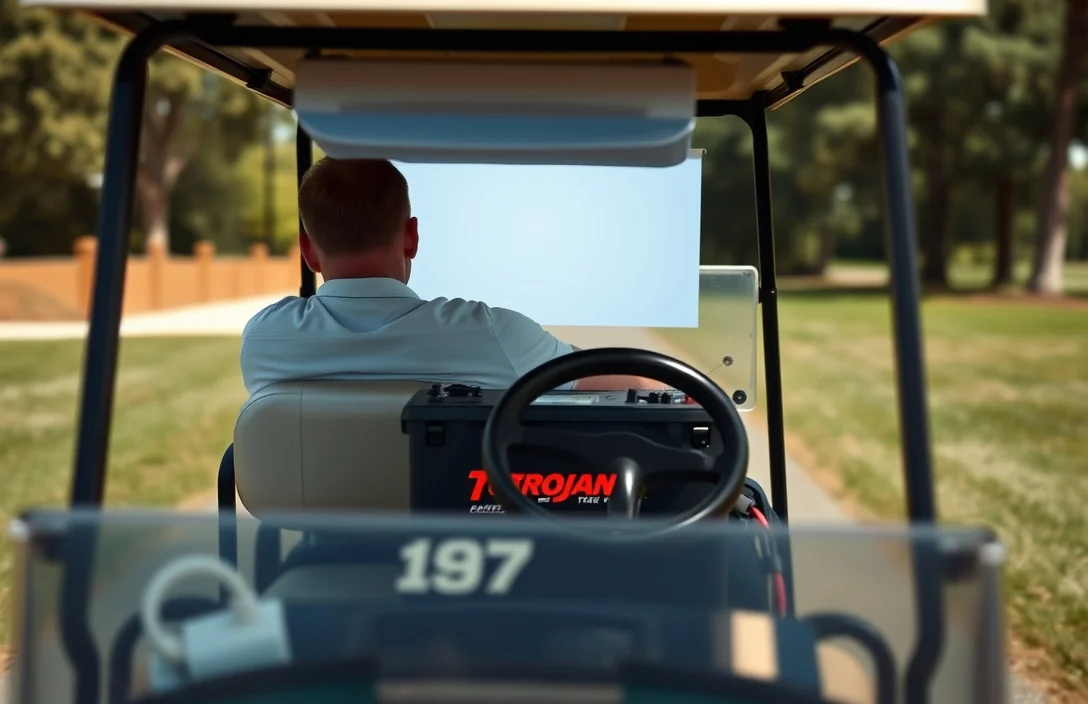
The Trojan T-105 is a 6-volt flooded lead-acid battery with about 225 Ah capacity at the 20-hour rate, making it a staple budget pick for many golf cart setups. Its availability and rugged construction help keep upfront costs reasonable while delivering predictable performance. In budget builds it pairs well with standard golf cart chargers and a maintenance routine that sticks to proper watering and routine inspections.
When selecting, verify the label for 6V per unit and 225 Ah at the 20 hour rate to match your cart bank. The T-105 requires a vented charger and regular watering, which adds a maintenance step but pays off in longer life when kept within recommended specs.
With proper watering and a suitable maintenance routine, the T-105 can offer several seasons of use, and its price per amp hour is typically competitive against sealed alternatives. The heavier weight and need for a sturdy installation space are tradeoffs to plan for in the shop or garage.
Tradeoffs
Choosing the Trojan T-105 trades ease of maintenance for upfront cost and rugged sourcing. The flooded design requires regular watering, cap checks, and proper ventilation to avoid gas buildup, especially in hot garages or enclosed spaces. Weight is high, which means you need a sturdy cart or help during installation, and the need for a compatible charger that can handle multiple 6V cells in a bank. On the upside, it delivers solid current, easy replacement from a wide network of distributors, and a track record of long service life when cared for. For buyers prioritizing price per Ah over modern form factors, the T-105 remains a dependable anchor in a budget golf cart battery plan.
Takeaway: If you want the most affordable 6V pack with proven field performance and you can handle maintenance, Trojan T-105 is worth the effort. It rewards careful watering, regular checks, and a compatible charger with a traditional golf cart setup.
best budget golf cart batteries Trojan T-875
Trojan T-875 is an 8-volt deep-cycle flooded lead-acid battery with a broad distributor network that helps keep replacement parts affordable. Its long history in golf carts means many carts can swap to it without major wiring changes, making it a practical budget choice.
In practice, the T-875 is commonly used in older club-car and EZGO carts that still rely on 8-volt packs. Charging is straightforward with a compatible 8-volt lead-acid charger, which helps keep daily charging costs predictable.
Maintenance for flooded lead-acid batteries includes regular watering, ensuring proper electrolyte levels, and periodic equalization charges as recommended by the manufacturer. Keep spills away, ventilate during charging, and never seal these cells.
Tradeoffs
Long-term ownership of a flood lead-acid 8-volt pack like the T-875 usually means lower upfront cost but higher maintenance and potential watering duties, plus the need for periodic equalization charging to maximize life. In return, you get a robust, widely available battery that can be serviced through standard parts channels and a broad service network. For fleets or solo golfers who value price control over the convenience of sealed packs, the T-875 is a practical compromise, though you should keep to a disciplined charging and water management routine to avoid sulfation and capacity loss over time.
Takeaway: verify fit and charger compatibility, then commit to regular maintenance to maximize budget value with the Trojan T-875. This keeps your cart reliably powered without surprise costs over time.
best budget golf cart batteries VMAXTANKS 6V
VMAXTANKS 6V batteries offer deep cycle performance at a budget price, making them a practical option for older or entry level golf carts. They come in sealed lead-acid designs that fit standard 6V compartments and work with common golf cart charging systems. For many buyers, the lower upfront cost and straightforward maintenance balance out the longer replacement cycle compared with premium lithium options.
In practice, a 6V battery bank for a golf cart typically needs multiple modules to reach the required pack voltage and capacity. Weight and packaging are designed to fit standard 6V racks, but you should measure and compare against your cart’s tray and terminal layout before buying.
Choose a model that is maintenance free and sealed, and pair it with a charger designed for sealed lead-acid packs. For safety, avoid overcharging, and regularly inspect for swelling or corrosion.
Tradeoffs
The main tradeoff with budget 6V batteries is value versus lifespan. You save upfront, but cycle life tends to be shorter than premium brands, and performance can degrade faster if charging is imbalanced or one cell sags. Heat in warm weather can accelerate degradation and swelling is a red flag. With careful charging discipline and storage, you can get several seasons of service, but the overall ownership cost may be higher than you expect if you run the cart hard.
Another consideration is compatibility and support. Buy from a reputable seller with clear warranty terms to avoid counterfeit stock. Use a charger that matches sealed lead-acid design and avoid overly aggressive fast charging. If the cart sits unused for long periods, schedule routine health checks with a simple battery tester to catch gradual capacity loss before it affects performance.
Takeaway: For a budget refresh, VMAXTANKS 6V can extend cart life without a large upfront investment, but verify fit, charger compatibility, and warranty before buying, and stay on top of routine checks to maximize service life.
best budget golf cart batteries Power-Sonic 6V
Power-Sonic 6V batteries provide a budget friendly option for golf carts built around a 6V string. The Power-Sonic line includes sealed lead-acid deep cycle variants that are commonly available from major retailers and service centers, helping keep replacement costs predictable. They are designed for steady, moderate discharge cycles typical of golf cart use.
When shopping, verify the battery type, fit, and charger compatibility. Look for a 6V VRLA design with compatible terminals and a clear warranty. Use with a charger designed for 6V lead-acid chemistry and avoid mixing with other chemistries or mismatched units in a single string.
Tradeoffs
Choosing Power-Sonic 6V as a budget option trades longer life for upfront savings. While many users appreciate the lower initial cost and broad availability, cycle life can be lower than premium brands, and performance varies with climate and maintenance history.
The design suits standard golf cart use on dry courses, but expect more frequent replacements if you run the cart heavily or in hot environments. Proper charging habits and avoiding deep discharges help maximize the value of a budget 6V pack.
Takeaway: For budget minded buyers, Power-Sonic 6V batteries are a practical replacement option if you confirm the fit and charger compatibility, follow safe handling, and plan for replacement intervals that reflect usage patterns.
best budget golf cart batteries Deka 6V
Affordable availability and broad compatibility make the Deka 6V a standout budget choice for older golf carts. The six-volt configuration matches many classic carts, so replacing individual cells is straightforward. Its price is typically lower than premium AGM or lithium options, making it a practical option for cost-conscious rebuilds.
Common Deka 6V models are flooded lead-acid units designed for golf cart use, requiring regular water top-ups and venting. When shopping, look for the label showing the Ah rating and verify fit in your cart’s battery tray. A standard installation involves a full set of 6V batteries in series for older carts; check the pack layout and replace in matched sets when possible.
When to use it
For older carts that rely on a string of 6V batteries, a Deka 6V offers a budget friendly path to keeping the cart on the road. It makes sense if you are rebuilding gradually and want to spread costs over time rather than replacing a full high capacity pack. This option suits moderate daily use and installations where a simple, repairable lead acid chemistry is preferred. Always verify your charger profile matches the battery and keep an eye on water levels and terminal cleanliness to extend life.
Reader takeaway: If you are restoring an older golf cart on a tight budget, a Deka 6V battery can be a sensible baseline choice. Confirm that your charger and tray match the 6V format, expect regular maintenance, and compare prices across retailers to maximize value. Replacing a full set at once and avoiding mixing chemistries will help you get the best longevity for the money.
best budget golf cart batteries Crown Battery
Crown Battery delivers affordable deep-cycle options that fit most standard golf carts, with widely available 6V and 8V configurations that pair with common 36V and 48V systems. This practicality makes it a go-to budget pick when replacing aging packs without premium pricing.
Look for models rated for golf carts with 6V or 8V configurations to fit common cart strings, and verify the amp-hour rating matches your typical run time. Crown Battery options tend to be more affordable than premium brands while still delivering reliable capacity for everyday use.
Safety notes: ensure proper ventilation during charging, use a charger designed for flooded lead-acid batteries, and avoid charging swollen or damaged packs. Inspect terminals for corrosion and keep battery clean and dry.
Tradeoffs
Choosing Crown Battery as a budget option means you gain upfront savings and broad availability, but you may handle more maintenance than a sealed battery. Flooded lead-acid packs require water top ups, regular equalization charging, and careful venting during charging, which adds routine tasks. Weight can be substantial, affecting how you move or install the pack, and the cycle life may be lower than top-tier lithium or AGM alternatives in high-use fleets. If your golf cart runs long hours without a chance for midday maintenance, a sealed option or higher capacity pack could reduce downtime.
In practice, weigh your weekly mileage, charging window, and local dealer support before committing to Crown Battery.
Takeaway: If you need a budget replacement that fits common cart configurations and a broad service network, Crown Battery is a sensible starting point, provided you can commit to the required maintenance routine and verify the exact voltage and capacity for your cart.
best budget golf cart batteries US GC2
Best budget golf cart batteries US GC2 are the standard 6V blocks used by many US golf carts, which makes budget replacements widely available. For clubs and private carts, choosing a budget GC2 can keep the cart moving without paying premium brand prices.
Most budget GC2 batteries are flooded lead acid and require periodic water top-ups and venting.
They typically offer around 225 Ah at 6V, translating to roughly 1,350 Wh per battery under ideal conditions.
In a 36V configuration you would use six of them in series; in a 48V setup you would use eight.
Look for a recognized warranty and a safe, vented case.
Safety notes: avoid swelling, overheating, and mixing old and new cells; use a compatible charger that matches lead-acid chemistry and the cart’s charging profile.
Tradeoffs
Budget GC2s trade some performance for price, and that reduction shows up as shorter cycle life and more maintenance compared with premium options. They often rely on flooded lead acid chemistry which requires regular water top ups and careful ventilation to avoid gas buildup during charging. In hot climates or under frequent deep discharge, these batteries may need replacement more often than higher end models, so plan for that reality. Choosing a unit with a clear warranty, a known brand history, and tested refurb or rebuild options can reduce risk while keeping total ownership costs down.
Bottom line for budget GC2s is to pick a known brand with a solid warranty, keep water topped up, and use a compatible charger to maximize life without overspending. Regular checks of voltage and water level help prevent surprises at the club or work site.
Quick Summary
For best value, compare voltage, capacity, and compatibility to fit your cart’s charger and budget.
Frequently Asked Questions
Question 1?
You want a battery that matches your cart’s voltage and your charger. 48V systems typically use four 12V or eight 6V batteries in series to reach the total pack voltage, so pick a budget option that matches that configuration and the battery chemistry. Also verify the charger is rated for the same pack voltage and that the terminal layout matches your cart.
Question 2?
Heat and venting matter for safety and life. Hydrogen gas is produced during charging of flooded lead-acid batteries, so use a well ventilated area and a vented enclosure. Keep charging in ambient temps under 40 C and avoid direct sun to protect life.
Question 3?
How long will budget golf cart batteries run between charges? The answer depends on the bank Ah and the load. Ah rating determines theoretical runtime; for example, a 200 Ah pack and a 15 A draw gives about 13 hours theoretically (200/15), but actual runtime will vary with terrain, speed, and ballast.
Question 4?
What safety precautions and common mistakes should I avoid when buying budget golf cart batteries? Never mix new and old batteries in the same string and always verify compatibility with your cart and charger. Also avoid buying the cheapest option without checking warranty, maintenance needs, and venting requirements for flooded lead-acid packs.
Question 5?
When should I replace budget golf cart batteries and what buying mistakes should I avoid? Replace when capacity loss or swelling is evident and the pack no longer holds charge as well as it used to. Check the battery label for warranty length and expected life, and avoid choosing a pack based only on price or assuming all 48V setups use the same battery type. Also verify compatibility with your charger and the cart manual to avoid rework.