

Lead Acid Vs Lithium Golf Cart Battery Cost Comparison
A golf cart upgrade can swing by hundreds of dollars, even before you count the charger. The spec that decides your real “cost per year” is battery replacement cycle life at your actual discharge depth, not the sticker price. A common mistake is comparing cheap lead acid up front while ignoring that lithium pack pricing usually includes a different charging profile and often a better usable capacity. The first label to check is the pack voltage (36V or 48V) and the charger output setting, because mismatches are the fastest path to damage.
Lead acid vs lithium golf cart battery cost comparison comes down to total replacement cost over time. Lead acid packs often cost less upfront, but lithium packs can cost more and may last longer if you keep proper voltage and charging limits. Compare pack price plus charger compatibility for 36V or 48V systems, then budget for maintenance.
lead acid vs lithium golf cart battery cost comparison

Golf cart batteries are usually the biggest repeat purchase in the vehicle’s life, so total cost comes from acquisition price plus replacement intervals. Lead-acid is cheaper upfront but typically needs more frequent replacement, while lithium is higher upfront but can reduce how often you buy new batteries. Cost comparisons only make sense when you use the same battery voltage, capacity (usable energy), and expected duty cycle.
Cost math for golf carts uses a few consistent units. Battery voltage (V) tells the system electrical level, capacity in amp-hours (Ah) or energy in watt-hours (Wh) tells how much energy you get, and power (W) tells how hard the system is drawing from it.
In practice, two packs can have similar “Ah” on paper but deliver different usable energy if one type has lower usable depth of discharge (DoD) or more capacity losses over time.
Scope of “golf cart use” for a fair price comparison
Golf cart use affects cost because it drives how deeply and how often the battery is discharged, plus how chargers are used. Low-speed cruising can hide problems, but repeated deep discharge, long hills, frequent stop-and-go, or hot storage push batteries harder and shorten service life. Climate matters too, cold weather can reduce available power and increase the time you need to charge, which changes how much energy you put back in.
Battery cost comparison also depends on charging behavior. Frequent fast top-offs and leaving a pack partially discharged for days can increase wear, especially with lead-acid. Lithium packs have a battery management system (BMS) that limits unsafe conditions, but charging still needs to match the pack’s voltage and chemistry, and damaged or mismatched chargers can be dangerous.
Key cost terms defined (what you should count)
Battery “price” alone is misleading, so count total replacement cost over a typical ownership horizon. Upfront cost is the purchase price of the pack(s) plus any required accessories like correct cabling, monitoring, or a compatible charger. Charging cost is electricity plus time-related cost if you have limited charging windows. Maintenance cost applies mainly to flooded lead-acid, where routine checks and water additions can be needed.
Lifetime cost is the total of those items divided by the number of years the pack actually lasts in your conditions. Cost per usable energy is a practical metric: divide total cost by the energy you can pull from the pack before it becomes unreliable for your load and hills. Warranty length can help predict life, but you still need to match the manufacturer’s intended charging parameters and usage limits.
| Cost term | What it includes | Why it matters for golf carts | What to verify on labels/specs |
|---|---|---|---|
| Upfront battery cost | Battery pack purchase price | Biggest driver of decision day-one | System voltage (ex: 36 V or 48 V), pack configuration (series count), energy rating (Ah or Wh) |
| Charger and system match | Charger cost or upgrades needed | Wrong charger can waste money or cause damage | Charger output voltage/current profile and whether it is chemistry-compatible |
| Maintenance cost | Watering/inspections for flooded lead-acid | Time and materials add up over years | Battery type (flooded vs AGM vs lithium), service requirements in the manual |
| Replacement interval | How often you buy again | Determines whether lithium’s higher price pays back | Cycle-life expectations under intended DoD and charging practices (verify in documentation) |
| Charging energy cost | Electricity used to refill energy | Charging losses change operating cost | Recommended charge stages and whether the charger is efficient for your duty |
For example, if you run many short trips with long gaps between charges, lead-acid may suffer more from sulfation and partial-state storage, which increases replacement frequency. For lithium, the BMS limits unsafe conditions, but you still need a compatible charger and correct pack voltage to avoid ineffective charging. Safety check: if any pack shows swelling, strong odor, hot cases, or damaged cabling, stop charging and replace the damaged component before you even think about cost comparisons.
Lead acid cost profile
Golf cart lead-acid batteries usually cost less up front, because the materials and manufacturing are established and the pack is simpler. Expect the price to swing by capacity, whether the battery is flooded or sealed, and brand tier, so the “cheapest” option is often a smaller battery or one with tighter discharge limits.
Upfront pricing typically breaks into two buckets: flooded lead-acid (often the lowest purchase price) and sealed types like AGM (higher price, with less routine work). Flooded packs require regular water checks, and that labor matters because a missed refill can shorten life.
In practice, owners buy lead-acid to minimize upfront cash risk, then accept more frequent replacement.
Upfront price range and what you are actually paying for
Lead-acid cost is mostly capacity and discharge style. A “higher voltage” cart pack does not automatically mean higher usable energy because battery aging and the cart’s controller limits how much of that capacity you get in real driving. When comparing quotes, match the intended pack voltage, the number of batteries in series, and the rated amp-hours, then compare the same chemistry (flooded vs AGM).
| Cost driver (lead-acid) | What it changes | Typical buying impact | What to verify on the label |
|---|---|---|---|
| Chemistry type | Water use, venting, maintenance | Flooded is cheaper, AGM costs more | “Flooded” vs “AGM”, vent/valve description |
| Rated amp-hours (Ah) | Usable energy and runtime | More Ah costs more | Ah at the specified hour rate |
| Reserve capacity and duty assumptions | How long it can support loads | Mismatch causes surprise range drops | RC rating or test condition notes |
| Brand and warranty length | Quality and expected life | Higher price can be better value | Warranty pro-rating language |
Replacement cycles and lifespan math
Lead-acid life is strongly tied to how often the cart gets deeply discharged and how consistently it is charged. Frequent deep cycling and undercharging build up sulfation, which reduces capacity early. A “good deal” becomes expensive when you replace sooner than the warranty expects, especially if you reuse an aging charger that no longer matches the battery needs.
Flooded packs also suffer from stratification and corrosion if the electrolyte is not kept in range. Sealed (AGM) lead-acid tolerates less misuse, and it can fail abruptly when it does go, even though maintenance is lower. Either way, the economic pattern is replacement every few seasons for heavy use, versus longer intervals for carts that stay closer to full charge.
Maintenance costs: water, venting, and labor
Maintenance is a recurring cost even if the battery price is low. Flooded lead-acid needs periodic distilled water top-offs, and it needs a charging setup that vents safely because hydrogen gas can accumulate. That means keeping the cart and charger area ventilated, cleaning spilled electrolyte, and checking for corrosion at terminals.
In cost terms, maintenance is the hidden line item that turns “cheap upfront” into “expensive over time.” Keeping a consistent charge routine, using correct chargers and settings, and maintaining clean, tight connections can reduce both premature replacements and the incidental costs that come from charger problems or corrosion.
Lithium cost profile
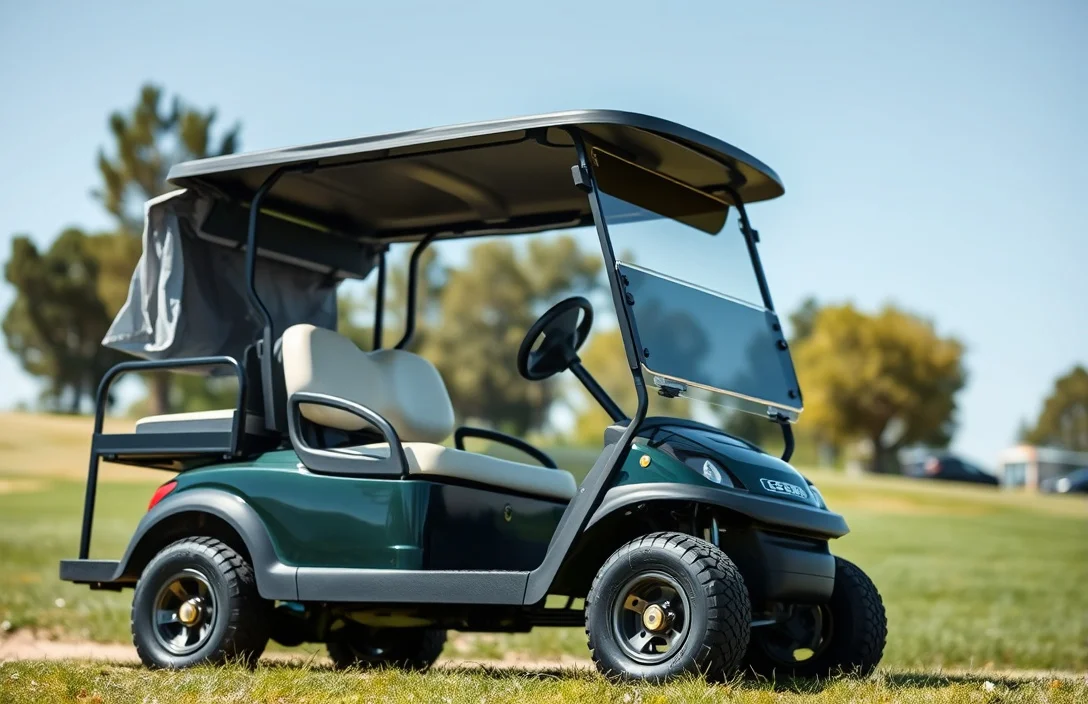
Lithium golf cart battery cost is dominated by the battery pack price, which is typically several times the upfront cost of a comparable lead-acid system. The rest of the budget is usually smaller add-ons: a compatible charger, wiring or connector upgrades, and sometimes a battery management system service plan through the warranty.
Upfront price range: what you actually pay for
Lithium packs are sold by voltage and energy capacity (for golf carts, often 36 V or 48 V class systems, with watt-hours as the meaningful energy number). Because lithium cells and the battery management circuitry are more expensive than lead plates, the sticker price stays high even when you buy fewer maintenance parts.
In practice, shoppers get surprised by two line items. The first is charger compatibility. The second is physical fit and connection method, since some lithium packs want specific charge algorithms and specific terminal/connector interfaces, and adapters can introduce risk if they are cheap or mismatched.
| Cost component | What to expect with lithium | What to verify on labels/spec sheets |
|---|---|---|
| Battery pack upfront | Highest cost; varies by capacity and brand | Rated voltage, energy (Wh), and warranty terms |
| Charger | May be required even if you already own one | Supported chemistry/charge profile, output voltage, and current limit |
| Install-related parts | Sometimes needed for safe connections | Correct terminals, fusing recommendations, and cable gauge |
| Monitoring and service | Often baked into the pack or warranty | Battery app/monitoring requirements and authorized service channels |
Lifespan, replacement cycles, and warranty cost pressure
Lithium cost improves when you spread the pack price across its usable cycle life. Many lithium golf cart packs are designed for deeper cycling than typical lead-acid habits, so the “replacement timing” pressure often shifts out, but the exact cycle life depends on charge practices and how often you reach high depth-of-discharge.
Warranty is where you either win or lose financially. Longer warranties can reduce replacement risk, but you should treat warranty coverage as a bill-deferral system with conditions, not a blank check. Do not assume coverage if you use a charger with the wrong charge algorithm, if the pack shows damage like swelling or overheating, or if installation was outside the manufacturer’s instructions.
Maintenance and charging infrastructure costs
Lithium batteries usually have lower routine maintenance than flooded lead-acid, since there is no water to top off. Lithium can still incur costs through monitoring, temperature management, and faster troubleshooting when something trips the battery management system.
Charging infrastructure is the real swing factor. The charger must match the pack voltage and have a compatible output profile so it does not overcharge or undercharge. Cheap “universal” chargers, damaged cables, and loose connectors can heat up under load and charge, which is a serious safety risk for lithium packs.
Total cost of ownership
Total cost of ownership (TCO) is the purchase price plus the cost of chargers, electricity losses, and replacement batteries over a defined usage life. TCO for golf cart batteries swings most with cycle life, how you charge day to day, and whether you maintain flooded lead-acid cells. Lithium usually costs more upfront, but it can win if your batteries get deep cycles and the lead-acid set would need earlier replacement.
Usage scenarios and assumptions
Scenario math needs assumptions, or the comparison is noise. The table below uses common-for-carts planning ranges: a weekly cycle pattern (multiple partial-to-mid cycles per day), a multi-year horizon, and electricity price as a placeholder so you can plug in your rate.
For lead-acid, the biggest TCO drivers are water top-ups, corrosion control, and the habit of fully charging after each day. For lithium, the biggest drivers are charge protocol compliance (the right charger and settings) and avoiding storage at high state of charge for long periods. Readers should treat any “expected life” numbers as chemistry and usage dependent, then verify what the battery maker states on the label or in the manual.
| Planning scenario | Typical duty | Charging pattern | Main TCO driver | How to estimate |
|---|---|---|---|---|
| Neighborhood / low speed | Short rides, frequent top-up | Often partial, sometimes delayed | Lead-acid sulfation if undercharged | Use “cycles at your depth” and add water/cleaning |
| Daily use for commute | Mid-depth cycles, regular trips | Charge every day, no long gaps | Cycle life at mid depth | Compare cost per usable kWh delivered |
| Heavy use / commercial | Deeper cycles, many trips | Consistent charging, frequent re-cycling | Early replacement risk | Compare replacement schedule and charger overhead |
Cost-per-kilowatt-hour and cycles
Compute TCO using cost per delivered kilowatt-hour (kWh), not just capacity. A practical method is: convert the battery’s usable watt-hours to kWh, multiply by effective cycles over your scenario, then divide the total cost (battery plus any required charger and connection parts) by total delivered kWh. Electricity cost is usually smaller than replacement cost, but it is not zero, because charging efficiency and incorrect charge timing can add losses.
For lead-acid, the usable portion of capacity matters because real-world voltage sag can limit how much energy you actually pull without hurting performance. For lithium, usable energy can be closer to rated capacity if the battery management system is operating normally and the cart controller stays within the battery’s limits. Both chemistries can lose capacity from heat, and heat exposure accelerates aging, so mounting, ventilation, and cable health should be part of your cost assumptions.
In practice, the “winner” often flips depending on whether you can keep flooded cells healthy. Flooded lead-acid adds maintenance labor and consumables (water), while lithium shifts cost toward a higher initial bill and the need to use the correct charging setup. The TCO result is sensitive to how many replacement cycles you actually get before the pack no longer meets your range requirement.
Bottom-line takeaways
Lead-acid can have the lowest upfront cost, but TCO grows quickly if your charging routine is inconsistent or if the pack is older than it looks. Lithium has higher upfront cost, but it can deliver lower cost per usable kWh when you run many cycles and charge correctly, especially if you would otherwise replace lead-acid early. Charger compatibility and correct charge settings are TCO items because the wrong charger can shorten life, raise losses, or both.
Simple decision rule: if you will charge fully, maintain the pack, and keep heat low, lead-acid can beat lithium on TCO. If you run heavy cycles with consistent charging and you want fewer replacement events, lithium often wins despite the higher upfront cost.
Safety, warranty, and replacement flags

Lead-acid and lithium golf cart batteries fail differently, and those failure modes drive both safety risk and warranty acceptance. Heat, overcharge, physical damage, and improper storage can create symptoms like venting, swelling, or rapid capacity loss before a claim is approved.
Thermal risk, swelling, and storage considerations
Thermal events are the main safety divider. Flooded lead-acid can release hydrogen and acid mist when overcharged, while lithium packs rely on a battery management system (BMS) to limit current and temperature, and a damaged pack can swell or vent if its protection is defeated.
Storage conditions change the risk and the later warranty fight. Freezing can damage lead-acid by expanding electrolyte and can also increase internal stress in lithium cells if the pack is stored out of spec for temperature and state of charge.
| Observed sign | Likely risk type | Immediate action |
|---|---|---|
| Battery casing bulges or pack becomes “puffy” | Lithium abnormal pressure/thermal stress | Stop using, disconnect per manual, and arrange service |
| Heavy gassing during charge, strong sulfur smell (flooded) | Overcharge or wrong charging profile | Stop charging, check charger settings and venting |
| Warped top cover, wet crust at terminals | Electrolyte loss, overheating, or seal failure | Inspect wiring and stop if leakage continues |
Warranty coverage differences and replacement triggers
Warranty coverage often depends on how the battery was charged, whether it was operated within temperature limits, and whether damage looks “user-caused.” Lead-acid warranties are commonly sensitive to overcharging and electrolyte neglect, while lithium warranties are commonly sensitive to BMS fault conditions, physical damage, and charging system correctness.
In practice, replacement decisions should be tied to documented faults rather than guesswork. Keep purchase dates, charger model numbers, charging voltages or settings (as listed in the golf cart and charger manuals), and any battery monitor logs.
Decision point: If the battery repeatedly triggers protective shutdown, shows abnormal temperature rise during routine charging, or exhibits progressive swelling, treat “fixing the charger” as secondary to “removing the battery from service.”
Charger compatibility and charging costs
Golf cart charging cost is driven by charger output (volts and amps), charge time, and charging losses, not just battery price. A charger that is the wrong voltage or an incorrect charge profile can waste money quickly, because it extends time on the charger and can damage the pack.
Voltage, connectors, and port standards
Lead-acid golf cart systems usually use a nominal 6 V or 12 V arrangement, and the charger is built for that pack voltage. Lithium conversion kits may use a different nominal voltage and require a charger that matches the lithium pack voltage and charge stages, including the correct bulk and absorption behavior.
Connector standards vary by cart brand and model year, so “same looking plug” can still be an electrical mismatch. Check the charger nameplate and the battery pack label for the required voltage and recommended charging current, then match the connector type (and pinout, if applicable) before you plug anything in.
Charger efficiency and runtime impact
Charging losses turn into longer runtime and higher electricity use, so charger efficiency matters when you charge frequently. A lower-efficiency charger can add noticeable cost over a season even if it is cheaper upfront, because the cart draws energy until the battery reaches its target charge stages.
Lead-acid systems typically want thorough, correct charging to avoid incomplete charge and sulfation risk, which can increase future replacement cost. Lithium packs generally rely on a controlled multi-stage profile and their BMS can limit charging when cell balancing or temperature is off, which can also lengthen charge time if the pack is not within the maker’s temperature window.
Infrastructure costs (DC fast charging, cables)
Charging infrastructure costs include more than the charger itself. Higher-power setups require heavier cabling, proper connectors, and electrical service upgrades, which can be the biggest hidden spend when you move beyond standard overnight charging.
For DC fast charging, higher power also increases the importance of compatible voltage, correct current limits, and proper charge control.
In practice, many golf cart battery conversions still do most charging through a dedicated onboard charger, because retrofitting true fast charging without the right control electronics can lead to repeated charge interruptions or inefficiency.
| Cost driver | What to check | Why it changes total cost |
|---|---|---|
| Charger size and efficiency | Charger nameplate watts, efficiency rating (if provided) | Higher losses increase electricity use and runtime |
| Cable and connector hardware | Wire gauge, connector rating, proper mating plugs | Undersized cabling adds voltage drop and heat |
| Electrical service upgrades | Existing outlet amperage, panel capacity | Fast charging can require higher-current circuits |
| Charge frequency | Daily/weekly usage pattern | Small inefficiencies compound over time |
Real-world selection guide
Golf cart battery cost is mostly a trade between upfront price (usually lower for lead-acid) and longer usable service life (often better for lithium), with climate and space constraints deciding which chemistry wins in practice. Battery choice starts with your cart size, payload, and the distance you drive per day, because range demand determines the real capacity you must buy.
Match chemistry to your route and cart load
Cart voltage and capacity ratings vary by model, but the practical limiter is how many watt-hours you need for your climbs, acceleration, and speed. Lead-acid batteries lose more usable capacity when they are cold, so “same rated capacity” can deliver less range in winter, which pushes you toward larger packs or more frequent replacements.
Payload also matters because heavier loads increase current draw. Higher current draw stresses lead-acid more (more voltage sag), while lithium packs usually hold voltage better, which helps you keep consistent performance near the end of a trip.
| Use case | What to measure | Lead-acid cost reality | Lithium cost reality |
|---|---|---|---|
| Small cart, light riders | Daily watt-hours needed | Lower purchase price, more sensitivity to age and temperature | Higher purchase price, often better usable capacity retention |
| Large cart, heavier payload | Current draw under load, voltage sag symptoms | More performance drop as voltage falls | More consistent speed toward end-of-charge |
| All-season use | Cold-weather range complaints | Cold reduces effective capacity, which can force larger banks | Lithium still needs proper temperature handling, but usable range often stays closer to rating |
Account for space, weight, and mounting constraints
Battery cost per trip depends on whether the chemistry physically fits your cart and can be safely secured. Lithium packs can be physically smaller for the same usable energy, but they still require correct mounting pressure, vibration resistance, and protection from impacts.
Lead-acid batteries are typically heavier per unit of usable energy, which can change axle load and cart stability.
In practice, the “cheapest” option can become expensive if you need new hold-down hardware, different cables, or custom tray modifications to handle weight and venting requirements.
Plan for temperature effects and climate-driven replacements
Cold weather can reduce available performance for lead-acid by slowing electrochemical reactions and increasing internal resistance, so the cart may feel weaker and range can shrink. Heat speeds aging for both chemistries, but lead-acid tends to suffer earlier from loss of capacity when kept hot or repeatedly cycled while warm.
Climate-driven cost shows up as replacement timing. Lead-acid often needs earlier replacement in harsh winters or hot, high-use conditions, while lithium may last longer but still needs safe charging behavior and protection against overheating, damaged packs, or incompatible charging profiles.
Safety signs to treat as stop-use triggers: a swollen or deformed battery case, a strong fuel-like smell, visible corrosion around terminals, repeated tripping by the cart’s protection electronics, or battery heat that feels abnormal during charging.
Quick Summary
Lithium golf cart packs cost more upfront but offer longer life and lower maintenance, often yielding lower total cost over time.
Frequently Asked Questions
Are lead-acid and lithium golf cart batteries compatible with the same charger and wiring, or do I need a different charger and BMS?
Not all chargers and wiring tolerate both chemistries. You should not mix lead-acid and lithium in the same pack or charging system; use a charger rated for lithium and a proper BMS for lithium packs. Look for labels that say LiFePO4 or Li-ion and verify compatibility in the cart manual.
How does heat affect the performance and long-term cost of lead-acid versus lithium golf cart batteries?
Excess heat accelerates aging in lead-acid batteries, reducing capacity and lifespan. Lithium batteries perform better under moderate heat, but you should keep charging and storage temperatures under 40 C for best longevity. Thermal management is critical to life and cost.
What is the runtime difference between lead-acid and lithium golf cart batteries under the same load, and how does that impact cost per mile?
Lithium generally provides higher usable capacity and steadier voltage, so you may get longer runtime per charge than lead-acid under the same load. To compare fairly, check the rated Ah and the manufacturer’s recommended depth of discharge (DoD) on each battery’s spec sheet; verify the DoD and the effective capacity. Compare the Ah rating and DoD to compare runtimes.
What safety considerations should I know when choosing between lead-acid and lithium golf cart batteries?
Lead-acid batteries can emit hydrogen during charging and require proper ventilation to avoid gas buildup. Lithium options require a proper Battery Management System (BMS) and venting in sealed enclosures; never bypass the BMS and follow manufacturer guidelines. Always use a BMS with lithium and follow safety guidelines.
What are common buying mistakes when comparing lead-acid and lithium golf cart batteries, and how can I avoid wasting money?
Common mistakes include buying based only on upfront price, mixing chemistries with the same charger, and ignoring warranty or cycle life. Instead, verify the cycle life, DoD, and warranty terms, ensure the charger is compatible, and plan for total cost of ownership over the battery life. Avoid paying for upfront price without checking cycle life and warranty.