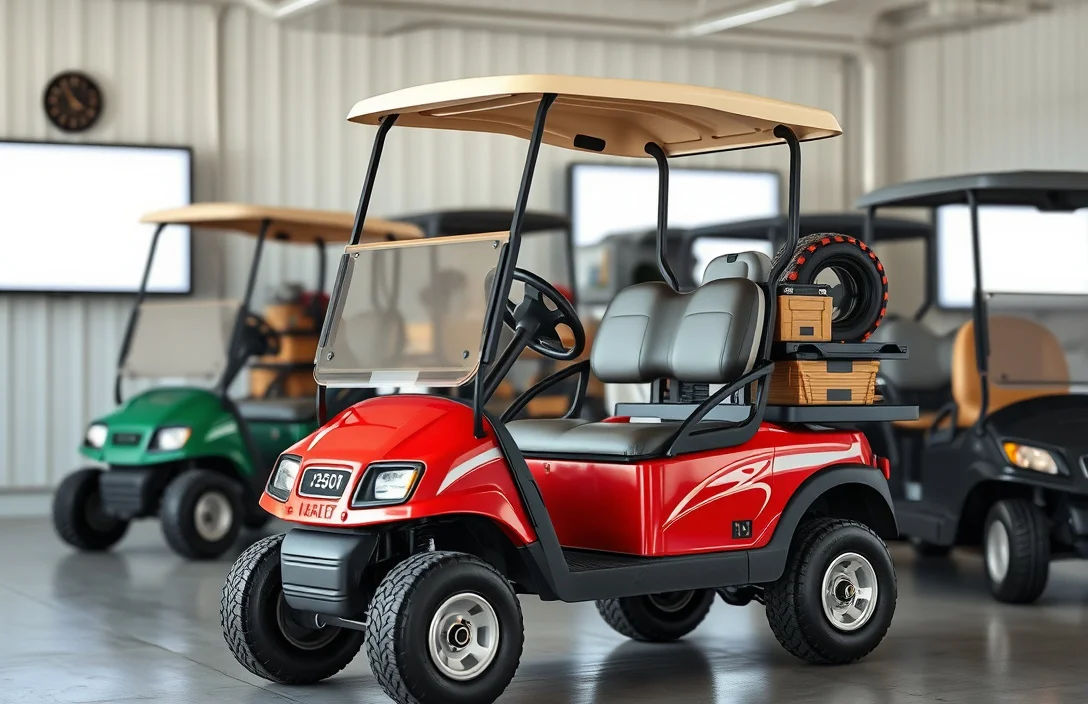
Golf Cart Battery Shipping Costs: What To Expect And How To Cut Them
Hazmat status is the single most important spec when shipping golf cart batteries. The common mistake is assuming standard freight rates apply to every battery regardless of hazard class. The first label to check is the battery’s hazard classification and UN number, along with its weight and dimensions. Those details drive the cost before you ship.
Hazmat Class 9 shipping rules apply to golf cart batteries, so costs include a base carrier charge plus hazmat and handling surcharges. Total fees vary by battery type and distance, with longer trips and lithium or flooded lead acid packs typically costing more.
golf cart battery shipping costs

Golf cart battery shipping costs depend less on the battery brand and more on hazmat handling requirements, battery weight, and whether the shipment is ground-only. Battery shipments often cost more than typical parcels because carriers treat lead-acid and lithium packs as hazardous materials, which adds paperwork, packaging rules, and special transport constraints.
What’s typically included in the shipped price
When you see a shipping total at checkout, the price usually bundles the carrier’s base transportation plus hazmat or specialty handling. Many sellers also add packaging to keep terminals protected, prevent short circuits, and hold cells upright during transit.
In practice, you can expect shipping charges to reflect four cost buckets: carrier service level, packaging and protection materials, hazmat classification and documentation, and last-mile delivery limitations (like appointment delivery or oversized item rules). If the seller offers a lower rate for “terminal-ready” or “properly packed” deliveries, that rate can change after the warehouse repacks the battery.
Where shipping costs vary by carrier and service
Carrier variation is real because each company applies hazmat rules, cutoff times, and residential or oversize surcharges differently. Even for the same battery, one carrier may price it as ground hazmat freight while another routes it through a different lane and charges a different handling tier.
Where costs swing the most is service level and destination. Ground-only hazmat shipments usually cost less than premium services, but they also limit delivery speed and scheduling; the higher the service tier, the more expensive the hazmat handling can become.
| Cost driver | How it changes the quote | What to check before buying |
|---|---|---|
| Hazmat classification | Determines special handling and paperwork fees | Seller listing notes lead-acid vs lithium, and any “hazmat included” wording |
| Shipping weight | Heavier batteries raise the freight cost | Confirm battery weight in the listing, not just size or amperage |
| Service level | Ground-only vs expedited changes the base price | Compare total price after selecting shipping speed at checkout |
| Destination type | Residential, rural access, and dock availability can add fees | Enter the same address in both quotes, and check for “residential surcharge” |
| Packing method | Extra protection can affect handling and box size | Look for notes about terminal protection, upright packing, and “shipped as hazmat” |
For example, a battery ordered to a rural residential address can trigger residential delivery surcharges and extra handling, while the same battery to a business with loading access can be priced lower. For higher confidence, get quotes using the exact destination address and the exact quantity you plan to buy, since multi-unit shipments can price differently than single units.
Practical expectation: if checkout shows a “low product price but high shipping,” that often means hazmat and packing are a large share of the total. Use the shipping line item as your true comparison, not just the battery price.
Battery types affecting shipping
Golf cart batteries vary by chemistry, and that mix changes shipping costs through weight, labeling, and handling requirements. Lead-acid variants are heavy and inexpensive to ship, while lithium units save weight but trigger hazmat rules that raise processing fees and restrictions.
Weight, dimensions, and class
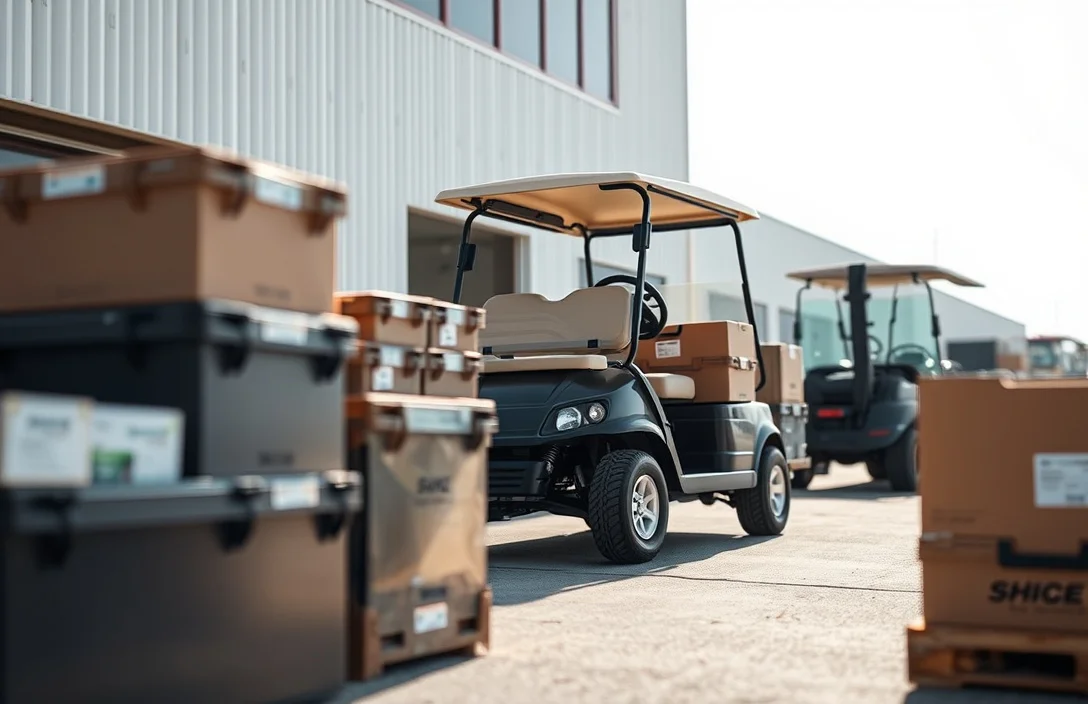
Golf cart batteries are heavy and bulky, so quotes hinge on the package’s overall size and weight. Dimensional weight often drives charges when the box or pallet consumes a lot of space, even if the actual weight is high.
In practice, request quotes using the exact dimensions and weight, and ask the carrier to show both dimensional-weight and actual-weight calculations. If possible, test a lighter or more compact packaging option to see the impact on price. For frequent shipments, discuss a stable rate class or volume agreement to reduce surprises at pickup.
Carrier options and limits
Common carriers move golf cart batteries domestically, with ground shipping usually the most cost effective when the package follows hazmat rules. UPS and FedEx handle hazmat shipments of lead-acid or lithium packs if packaging and labeling meet carrier and regulatory standards; international moves require documentation and may incur extra fees or restrictions.
Destination coverage and service options vary by carrier. Domestic hazmat shipments are typically delivered to street addresses or business locations, while some restrictions apply to residences or non-traditional destinations. International shipments add customs paperwork, import permits, and potential duties or surcharges.
Service levels and limits for golf cart batteries hinge on both chemistry and destination. Ground service is usually the least expensive but slower, while expedited services offer faster transit at higher cost. Air shipments may incur hazmat surcharges and tighter documentation, or be restricted for certain battery types.
Limits and requirements you will typically encounter include:
| Service level | Typical restrictions | Notes |
|---|---|---|
| Ground | Hazmat compliant packaging required, may have weight/size limits | Cheapest option; best for large orders with careful planning |
| Expedited (2-3 day) | Higher surcharges, stricter labeling, may require business address | Faster delivery for urgent replacements |
| Air internationally | Strict hazmat rules, extensive documents, potential import duties | Often not available for all battery chemistries; check with carrier |
Carrier compliance is a safety and cost issue. Verify that the battery chemistry and packaging meet the carrier’s hazmat rules before purchase, and coordinate with the shipper to obtain the correct declarations and labeling.
In practice, start by confirming the battery type and destination with the seller or shipper, then request a written shipping plan that lists the carrier, service level, packaging method, and required documentation. A little upfront coordination can prevent delays and unexpected charges.
Packaging and safety considerations
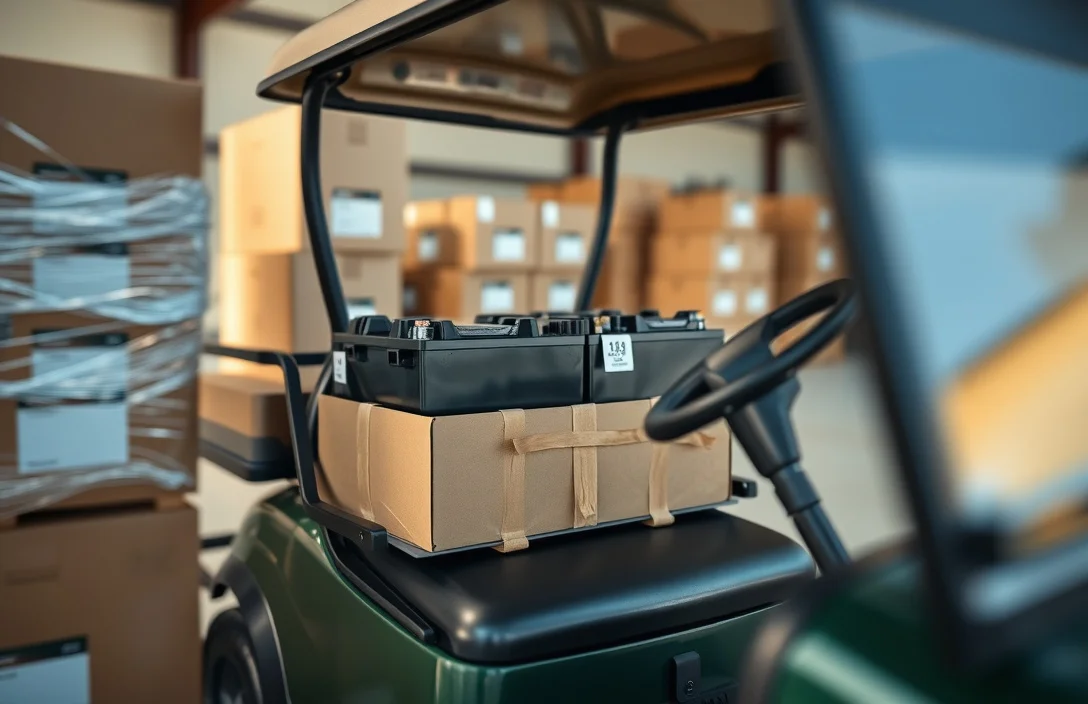
Sturdy outer cartons and interior cushioning limit leaks and prevent terminal shorts during transit. This protection lowers the likelihood of carrier delays and hazmat handling charges.
Proper packaging also helps ensure the shipment meets carrier safety labeling requirements, which can affect costs.
Packaging standards for golf cart batteries emphasize a rigid outer box, inner cushioning, and terminal protection to minimize damage claims and speed through handling checks.
Hazmat compliance and labeling are essential for many golf cart battery shipments. Carriers usually require correct hazard classification, appropriate shipping names, and explicit handling instructions to accompany the package.
In practice, consult the chosen carrier’s hazmat guide and apply the required labels and documentation to avoid delays and surcharges.
| Packaging option | What it protects | Effect on shipping cost | Notes |
|---|---|---|---|
| Single battery in original carton with terminal protection | Leak prevention, short-circuit protection | Low to medium; adds minimal material cost but may reduce damage claims | Best for individual replacements or small shipments |
| Individually boxed with dividers | Prevents contact between batteries, reduces cross-short risk | Medium; higher materials cost but lowers claim risk | Useful for mixed shipments or multiple units |
| Palletized with crating and banding | Efficient bulk transport, reduced handling damage for many units | Higher upfront cost, may raise dimensional weight charges; can reduce per-unit handling | Economical for large orders or fleet restocking |
Important safety rule: Do not ship damaged or swollen batteries. Inspect each unit for cracks, leaks, or corrosion before packing, and replace any compromised battery. Keep terminals covered during packing and transit to prevent short circuits.
Choosing packaging thoughtfully lowers the chance of delays, additional inspections, or repacking fees, which directly influences total golf cart battery shipping costs. Start with sturdy materials, then align packaging with hazmat rules and carrier requirements to smooth the route from dock to destination.
Estimating costs: cost drivers
Distance to the destination and the service level determine the base rate for golf cart battery shipments. Insurance and declared value add costs proportional to risk and valuation. Surcharges can catch you off guard if you don’t review them in advance.
| Cost driver | What it affects | Typical impact | Tips to manage |
|---|---|---|---|
| Distance and destination | Base rate, zone pricing | Longer distances and remote routes raise cost | Get multiple quotes; consider consolidating shipments |
| Speed or service level | Transit time, delivery commitments | Expedited options higher cost | Choose reasonable lead times; avoid rush shipping |
| Insurance and declared value | Coverage level, carrier liability | Higher value increases premium; may have coverage limits | Declare value accurately; compare coverage options |
| Surcharges | Remote areas, residential delivery, liftgate, hazmat, fuel | Fees vary widely by route and handling needs | Ask for itemized surcharges; negotiate or adjust service |
In practice, build a quick estimate by listing a base rate per mile for your route, multiplying by distance, then adding an insurance premium tied to your declared value, plus any known surcharges. This gives you a ballpark before negotiating quotes.
For example, two quotes for the same shipment can differ when one includes a hazmat fee or remote-area surcharge that the other does not. The total may swing 10 to 30 percent depending on distance, service level, and declared value.
Quick Summary
Shipping golf cart batteries costs vary by battery type and weight, so compare carriers and get quotes before purchase.
Frequently Asked Questions
How do golf cart battery shipping costs change if I ship a lead-acid vs lithium battery?
Shipping prices usually depend on the battery weight and the hazardous-material handling class, so a heavier lead-acid battery typically costs more to move than a lighter pack. For lithium, carriers often charge more for compliance steps, so check the seller’s shipping method and hazmat policy before checkout.
Will a charger that fits my golf cart battery charge safely during shipping or after delivery?
Shipping does not change your battery’s required charger voltage and chemistry, so you still need a charger that matches the pack, such as 12V for one 12V battery, or the correct series configuration for multi-battery packs. If you cannot confirm the battery type and voltage from the label or the cart’s manual, don’t guess, because wrong settings are a common cause of heat and damage.
Why does my golf cart battery seem less able to run after shipping, and what runtime change should worry me?
Cold temperatures and short, incomplete charges after delivery can reduce usable output, so try a full charge using the manufacturer-recommended charger. If you see meaningfully reduced range after a verified full charge, that can indicate shipping damage or an already-worn battery, and you should test voltage or have it load-tested.
What safety checks should I do right after receiving golf cart batteries to avoid overheating during charging?
Inspect the case for bulges, leaks, or a strong odor, and do not charge a battery that looks swollen or damaged. During charging, make sure ventilation is adequate, and if the charger stops for an error or the battery area gets unusually hot, stop charging and verify the charger setting and connections.
What common buying mistake increases golf cart battery shipping costs and replacement hassles?
Buying the wrong size or wrong chemistry often triggers return shipping or expedited replacement, which can be expensive and slow. Before ordering, confirm the exact voltage and chemistry (flooded lead-acid, AGM, gel, or lithium) from the battery label or cart spec, and match the charger requirements to that same information.