Factors Affecting The Price Of Electric Golf Carts Explained
How much are electric golf carts? comes down to matching the advice to your situation instead of following a generic checklist. I will focus on the main decision points, the tradeoffs that matter most, and the practical next steps you can use before spending time or money.
Price Ranges for Electric Golf Carts
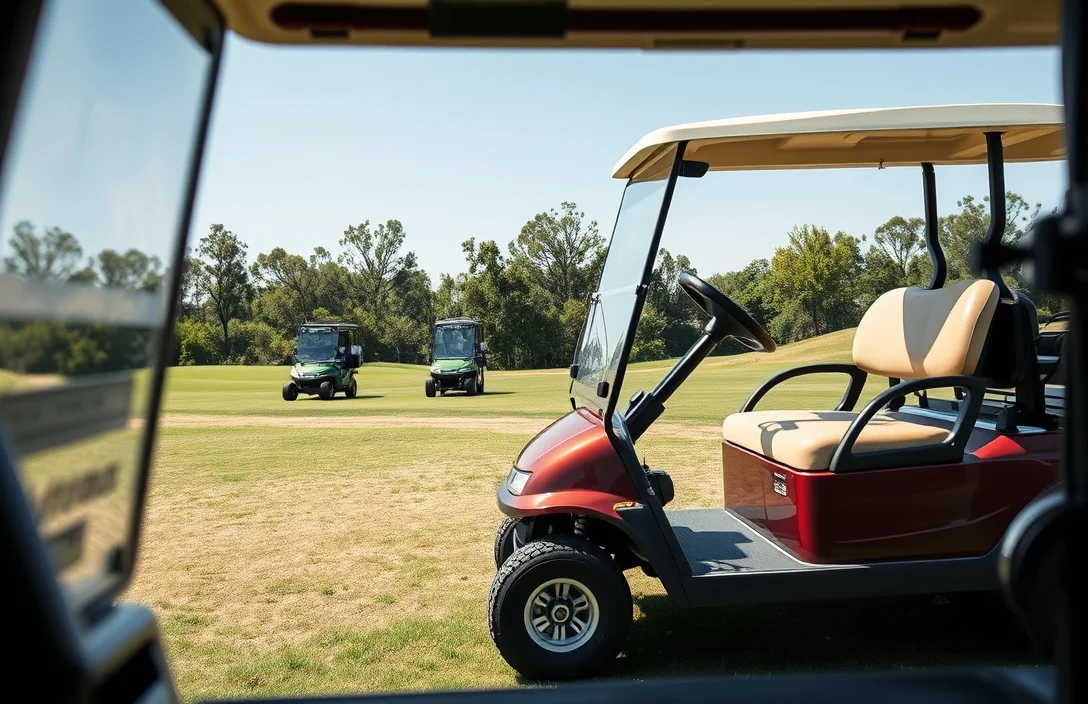
Electric golf carts typically range from $5,000 to $15,000, depending on various factors including brand, model, and features. Basic models may be available at the lower end, while high-end models with advanced features can exceed $15,000.
Brand reputation significantly impacts pricing, with well-known manufacturers often commanding higher prices due to quality and warranty offerings.
For instance, brands like Club Car and Yamaha are recognized for their durability and performance, which can contribute to a higher upfront cost compared to lesser-known brands.
Battery type also plays a crucial role in determining price. Lithium-ion batteries, while more expensive initially, offer longer lifespans and better performance than traditional lead-acid batteries. The choice between these can affect both the initial purchase price and long-term maintenance costs.
| Model Type | Price Range | Battery Type | Average Lifespan |
|---|---|---|---|
| Basic Electric Golf Cart | $5,000 – $8,000 | Lead-Acid | 3-5 years |
| Mid-Range Electric Golf Cart | $8,000 – $12,000 | Lead-Acid or Lithium-Ion | 5-7 years |
| Premium Electric Golf Cart | $12,000 – $15,000+ | Lithium-Ion | 7-10 years |
Additional costs may arise from accessories and maintenance. Features such as upgraded seating, enhanced lighting, or custom paint jobs can add to the overall cost. Regular maintenance, particularly for lead-acid batteries, is also essential and may involve replacing batteries every few years, impacting long-term ownership costs.
Financing options are often available through dealers, allowing buyers to spread the cost over time. This can make higher-priced models more accessible, though it’s important to consider the total cost of financing, including interest rates and terms, when making a decision.
Factors Influencing Cost
Cost overview: Prices vary widely by brand, model, and battery choice, with the battery type often the biggest price driver. New entry-level carts cost less than premium lithium-equipped models, and fleet or custom builds can push pricing higher.
In practice, the chemistry and included features explain most of the spread.
Brand Impact: Reputable brands with nationwide parts and service networks typically command higher prices, but they also offer stronger resale value and easier maintenance. A well-supported warranty and established dealer channels can add value that offsets the upfront premium over time.
| Category | Typical New Price Range (USD) | Common Battery Type | Key Cost Drivers | Notes |
|---|---|---|---|---|
| Entry-level mainstream brands | 8,000 – 12,000 | Lead-acid or AGM | Basic seating, simple electronics, standard charger | Prices vary by region and dealer |
| Mid-range models from established brands | 12,000 – 16,000 | 48V or 72V lead-acid; some lithium | Better suspension, trim, and options | Fleet discounts may apply |
| Premium lithium-equipped carts | 18,000 – 25,000 | Lithium-ion 48V/52V | Longer range, faster charging, advanced displays | Warranty and service vary by vendor |
| Fleet or commercial / specialty carts | 12,000 – 22,000 | Various chemistries | Bulk purchase, customization, maintenance plans | Configuration drives big swings |
| Used or refurbished carts | 3,000 – 7,000 | Varies, commonly lead-acid | Remaining life, cosmetic wear, unknown history | Check battery health and title status |
Model Variations: Within a brand, model lines differ in seating capacity, cargo space, suspension, and feature sets, which directly affects sticker price. Commercial or fleet-oriented variants emphasize durability and lower operating costs, while consumer models prioritize comfort and aesthetics, creating a natural price gradient.
Battery Types: The chemistry chosen for the pack influences upfront cost, weight, range, and cycle life. Lead-acid packs are cheaper at purchase but heavier and shorter-lived, while lithium packs add upfront cost but offer lighter weight, longer life, and faster charging. Battery warranties also shape long-term ownership costs and risk profiles.
Comparison of Popular Models
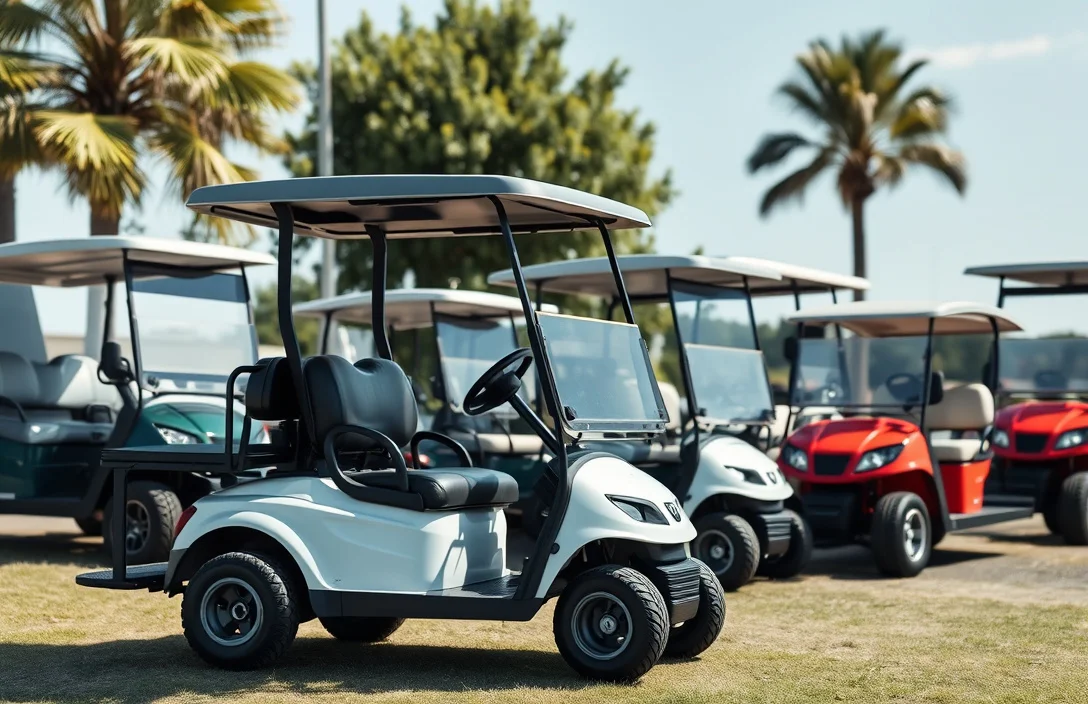
Feature Comparison: Prices vary widely by brand, model, battery type, and included features. There is no single price tag that covers all configurations; budget-oriented base carts exist, while lithium-powered, feature-rich options push price higher. Financing, delivery, and dealer package deals commonly affect the total cost.
Performance Metrics: Real world range and speed depend on load, terrain, and temperature. Lithium configurations typically provide better weight efficiency and longer cycle life, improving acceleration and hill climbing versus lead-acid equivalents. If you expect frequent full loads or rough terrain, verify payload rating, suspension, and braking capability with the dealer.
Ownership Costs Beyond Purchase
Maintenance, insurance, and safety gear add to the total cost of ownership after you buy an electric golf cart. Routine service, tire and brake wear, and battery health checks recur regularly, and your choice of battery type changes both upkeep needs and replacement risk. Insurance premiums and safety equipment costs vary by region and usage but are predictable annual or one-time charges.
Maintenance Costs Regular service includes checks for battery water levels on flooded packs, brake inspection, tire rotation, steering alignment, and occasional software updates. In high-use settings or rough terrain, service intervals tighten and parts wear faster. Switching to lithium batteries can reduce water maintenance but may raise replacement costs and require a compatible charger and BMS care.
Safety Equipment All carts benefit from basic safety gear such as a fire extinguisher, front and rear lighting, mirrors, seat belts where offered, and safety signage where required. Some clubs and campuses require extra items like spill kits, protective gloves, or battery handling tools. Expect these to appear as either one-time purchases or periodic replacements, adding to the annual budget.
| Cost Category | Typical Impact | Notes |
|---|---|---|
| Maintenance and repairs | Medium | Based on usage, terrain, and model; more frequent in rough environments. |
| Battery care and replacement | High | Lead-acid requires water maintenance; lithium needs proper charging and BMS monitoring. |
| Insurance and registration | Variable | Depends on region, use case, and coverage level. |
| Safety equipment | Low to moderate | One-time purchases with some periodic replacement; may be club-required. |
Financing Options Available
Financing options for electric golf carts typically include loans and leases. The cost of these carts can range from $5,000 to over $15,000, influenced by factors such as brand, model, battery type, and included features.
Loan options are a common choice for those looking to purchase an electric golf cart outright. Many banks and credit unions offer personal loans specifically for recreational vehicles, with interest rates varying based on credit scores and loan terms. A typical loan term can range from 36 to 72 months, allowing buyers to spread out the cost over time.
Leasing provides another pathway, allowing users to enjoy electric golf carts without committing to full ownership. Lease agreements often come with lower monthly payments compared to purchasing. However, it is essential to understand any mileage limits and potential charges for excessive wear.
“Leasing can be a budget-friendly way to access new models and technology without the long-term commitment of a purchase.”
When deciding between leasing and buying, consider your usage patterns and long-term needs. For instance, frequent use may justify a purchase, while occasional use might make leasing more sensible.
| Option | Advantages | Disadvantages |
|---|---|---|
| Loan | Ownership, no mileage limits | Higher monthly payments, long-term commitment |
| Lease | Lower payments, access to new models | No ownership, potential fees for excess wear |
Ultimately, understanding the financial implications and terms associated with loans and leases is crucial for making an informed decision on acquiring an electric golf cart. Evaluating your budget and how often you plan to use the cart can help guide your choice.
Where to Purchase Electric Golf Carts?
Dealerships and online retailers provide a range of options for purchasing electric golf carts, with prices typically ranging from $5,000 to $15,000 depending on the model and features. Local dealerships often offer test drives and financing options, while online platforms can provide competitive pricing and a wider selection.
Authorized dealers are a reliable source for electric golf carts, as they often provide maintenance services and warranty support. When buying from a dealership, consider the following:
Online retailers also offer an extensive selection, often at lower prices. However, buyers should be cautious regarding shipping costs and assembly requirements. Key points for online purchases include:
In practice, many buyers find significant savings by comparing prices across various platforms and taking advantage of seasonal sales or clearance events.
When purchasing an electric golf cart, it is wise to consider both new and used options. Used carts can be more affordable but may require additional maintenance. Check local classifieds or specialized online marketplaces for used carts. Some points to consider when buying a used model include:
In summary, both dealerships and online retailers have their advantages. Dealerships provide hands-on experience and local support, while online options can offer competitive pricing and wider selections. Determine what factors are most important to you, such as price, service, and convenience, before making your purchase.
Safety Considerations in Charging
Charger compatibility plays a crucial role in safely charging electric golf carts. Using the correct charger designed specifically for the cart’s battery type ensures optimal charging performance and minimizes risks of overheating or damage.
Heat and swelling are significant risks associated with improper charging. When batteries overheat, they can swell, which may lead to leakage or even explosion in extreme cases. Regularly monitoring the battery temperature during charging is essential to prevent these issues.
Warning: Never charge a battery that shows signs of swelling or damage. Replace it immediately to avoid safety hazards.
For instance, lithium batteries are sensitive to heat. If the charger is not compatible or if it malfunctions, the risk of overheating increases. It is advisable to charge in a well-ventilated area and away from flammable materials.
| Battery Type | Common Risks | Safety Precautions |
|---|---|---|
| Lead-Acid | Overheating, gassing | Ventilate charging area, use recommended charger |
| Lithium-Ion | Swelling, fire risk | Monitor temperature, avoid cheap chargers |
Maintaining proper charging practices significantly enhances the longevity and safety of your electric golf cart’s battery. Always adhere to the manufacturer’s guidelines for charging to mitigate risks effectively.
Quick Summary
The cost of electric golf carts varies widely based on features, quality, and brand, generally ranging from $5,000 to $15,000.
Frequently Asked Questions
How much do electric golf carts typically cost?
The cost of electric golf carts generally ranges from $5,000 to $15,000, depending on the brand, model, and features. You can often find used models for less, but be cautious about their condition.
What is the average runtime for electric golf carts on a single charge?
Electric golf carts usually offer a runtime of on a full charge, depending on battery capacity and terrain. Factors like weight and driving style can also affect this distance.
How can I ensure the safety of my electric golf cart’s battery?
To ensure battery safety, avoid exposing it to extreme temperatures, which can lead to overheating and swelling. Regularly check for any signs of damage and maintain proper charging practices.
When should I consider replacing my electric golf cart battery?
You should consider battery replacement after 3 to 5 years of use or if you notice significant decreases in performance or runtime. Regular maintenance can help extend battery life.
What common mistakes should I avoid when purchasing an electric golf cart?
A common mistake is not checking for battery compatibility with chargers or other accessories. Always verify specifications to ensure you get a compatible and efficient setup.