
Are Expensive Golf Cart Batteries Better
Expensive golf cart batteries only pay off when they fit your cart and charger. The one spec that matters most is cycle life at your typical depth of discharge and the chemistry you use. A common mistake is buying high priced cells without confirming charger compatibility or BMS limits. Start by checking the battery label for voltage, chemistry, and the recommended charger setting.
Expensive golf cart batteries are not automatically better for every cart; the value comes from longer cycle life and proper charging. In practical terms, a premium lithium pack or high quality AGM can outperform a cheap unit only if you routinely discharge to 50 percent, use a compatible charger, and monitor temperature and voltage during use.
are expensive golf cart batteries better: Capacity?
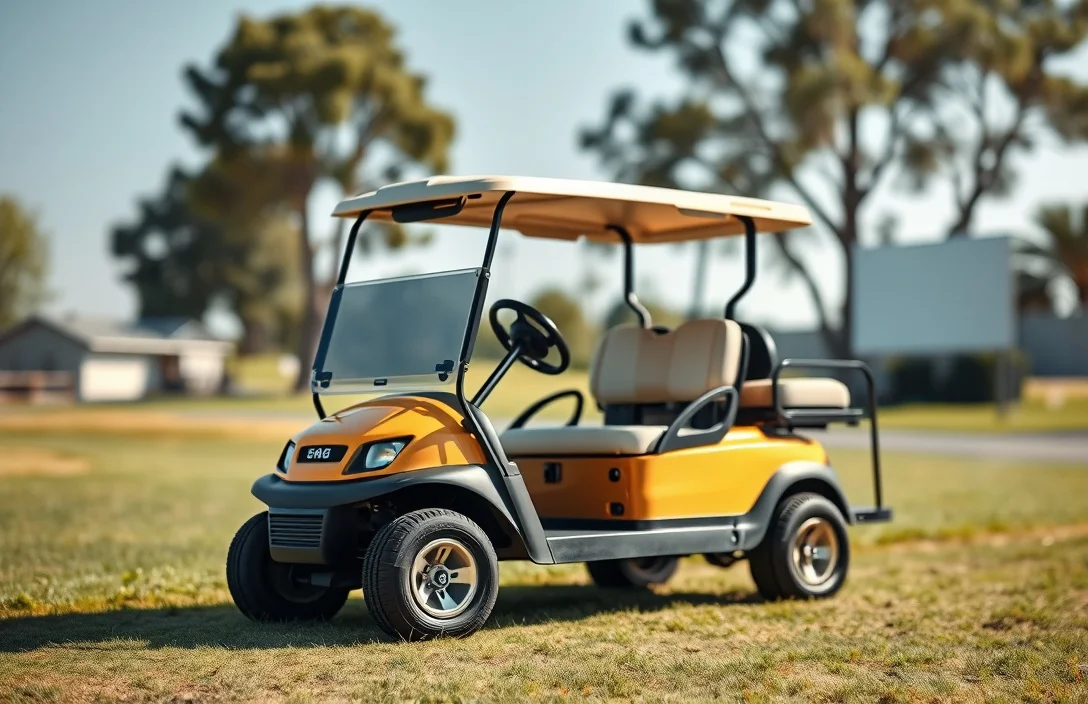
Expensive golf cart packs usually deliver more usable energy per dollar due to higher-energy chemistries and larger capacities. Lithium-based options can provide significantly more Wh and longer cycle life than traditional flooded lead-acid, so you often get longer runtime at a higher upfront price.
In practice, a 4.8 kWh lithium pack can deliver more usable energy under higher draw than a comparably rated flooded lead-acid pack. This difference translates to noticeably longer run times between charges for the same golf-cart load, especially when you regularly operate near the inverter’s peak power.
Cost vs runtime and life cycle
Premium golf cart batteries cost more upfront but deliver many more charge-discharge cycles and longer overall life than standard lead-acid options. The higher price can pay off if you use the cart enough to justify the extra cycles and the longer warranty, but the break-even point depends on usage, charging habits, and local replacement costs.
Cycle life and warranty are the key value levers. Lithium packs typically offer far more cycles and lower maintenance, which lowers cost per mile for frequent users, while lead-acid needs more frequent replacements and water checks, raising lifetime costs for heavy use.
| Aspect | Traditional Lead-Acid | Premium Lithium (e.g., LiFePO4) |
|---|---|---|
| Upfront cost | Low | High |
| Cycle life | Moderate to low | High |
| Maintenance | Water checks, equalization | Minimal |
| Warranty | Typically shorter | Typically longer |
| Weight impact | Heavier | Significantly lighter |
| Cost per cycle / mile | Higher over time for heavy use | Lower over time for heavy use |
Longer cycle life and robust warranties reduce the risk of early replacement and lower the cost per mile, but the benefit depends on how you use the system and how well you maintain charging habits.
Charger compatibility and connections
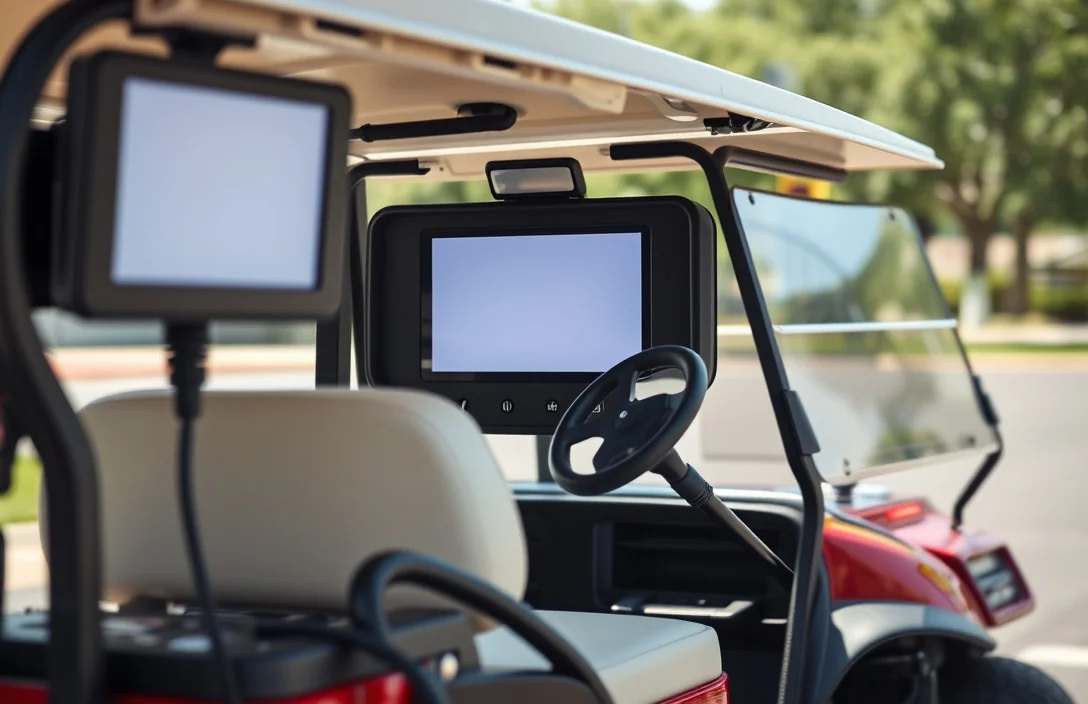
Golf cart battery packs come in several voltages, most commonly 36V, 48V, or 72V. The charger must match the pack voltage and deliver a current within the pack’s safe charging range to avoid overheating or prematurely aging the cells. For higher value packs, verify the exact voltage, current rating, and connector type before connecting.
Check the pack documentation for recommended charging profiles and whether a dedicated charger is required. Using an incompatible charger can void warranties and reduce performance over time.
In practice, verify the charger’s label, the pack’s spec sheet, and any BMS requirements before making a connection. If in doubt, contact the pack manufacturer or a qualified technician to avoid accidental damage.
Safety, heat, swelling indicators
High temperatures and swelling are warning signs that require immediate attention. Proper thermal management limits heat buildup, and venting basics prevent pressure from building to dangerous levels. If a pack becomes hot to the touch or shows visible signs of venting, stop using and move to a safe area.
In practice, a pack that feels unusually warm during charging deserves immediate attention. Do not attempt to cool it with water or apply ice, and stop charging until a technician checks the system. If you detect slow leaks or the casing is cracked, keep a safe distance and contact the supplier or a certified repair shop.
Prevention starts with choosing the right battery chemistry for your climate and load, using a charger with proper termination, and keeping the pack away from heat sources. Regular inspection of cables, terminals, and the enclosure helps catch signs of wear before they lead to a fault.
Storage, maintenance, and replacement
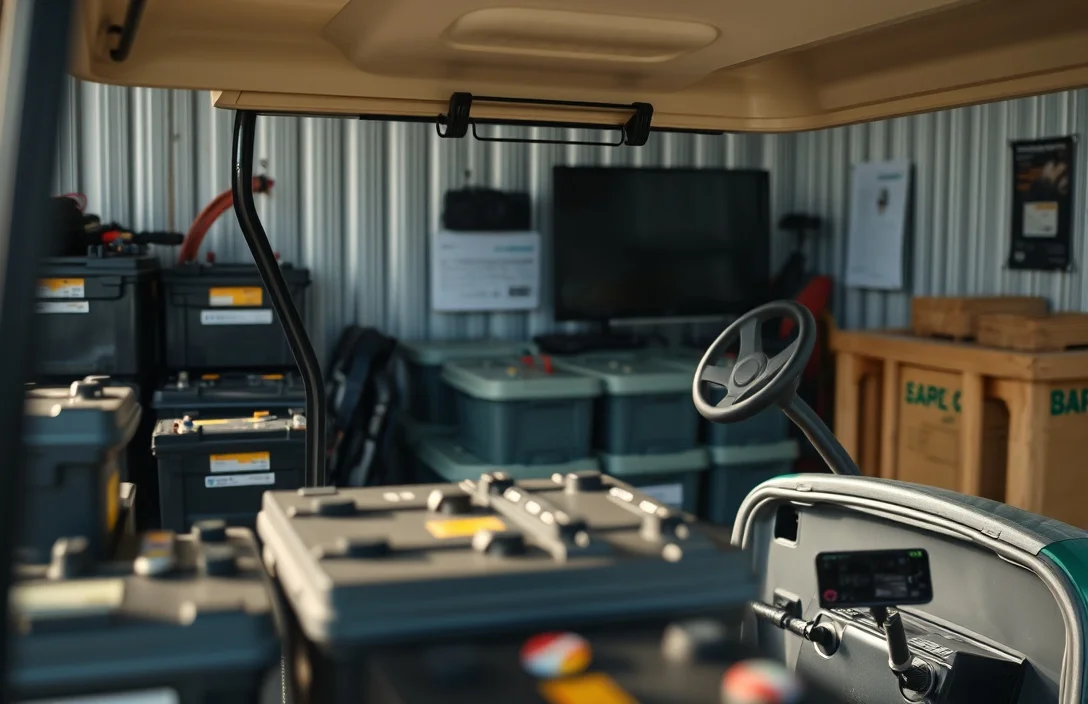
Price alone does not guarantee longer life. Correct storage, temperature control, proper charging, and routine checks matter far more for longevity. A mid-priced battery kept in a steady environment can outperform a more expensive pack used in harsh conditions.
Keep golf cart batteries within 0-25°C (32-77°F) for storage, and avoid high humidity to minimize corrosion risk. For long storage, aim for about 50 – 60 percent state of charge, and refresh the charge every 1 – 3 months to avoid sulfation or plate damage.
| Storage factor | Recommendation |
|---|---|
| Temperature | 0 – 25°C (32 – 77°F) |
| Humidity | Moderate, dry environment; avoid condensation |
| State of charge on storage | 50 – 60% |
| Storage duration | Recharge periodically |
Routine maintenance for flooded lead-acid vs sealed packs requires different care. Flooded cells need electrolyte level checks, distilled water topping, and periodic equalization charging as recommended by the manufacturer. Sealed packs rely on a healthy BMS, clean terminals, and protection from overheat and deep discharges.
Replacement triggers include significant, unrecoverable capacity loss, frequent foiled charging, swelling, or venting. For flooded packs, capacity fade and corrosion indicate replacement; for sealed packs, persistent voltage sag under load or BMS faults signal time to replace. Warranty terms vary by brand and region, so check coverage, exclusions for improper charging, and whether pro-rated replacement applies.
| Trigger | What it indicates |
|---|---|
| Capacity loss | Out of spec; consider replacement |
| Swelling or venting | Immediate replacement required |
| Repeated failure to hold charge | Investigate charging setup; replace if unresolved |
| Warranty status | Read terms; improper charging or abuse can void coverage |
Warranty terms vary; always verify coverage, duration, and what actions void it before buying.
Real-world fit: golf cart models
Expensive golf cart packs can deliver longer life and more usable energy, but real-world value depends on model fit and compatibility. If the pack doesn’t align with the cart’s voltage, physical space, and connectors, the premium benefits won’t materialize.
| Cart voltage | |
|---|---|
| 36V | Common on older carts; verify BMS and charger compatibility. |
| 48V | Most modern kits target this; ensure controller and wiring are rated for the pack. |
| 72V | High-power setups; requires compatible motor, controller, and safety provisions. |
Buying checks and troubleshooting
Golf cart batteries earn their price through fit, build quality, and stable charging behavior, not because a higher sticker price automatically means better chemistry or safer charging. Label verification and purchase terms determine whether a “premium” pack is worth it, since wrong voltage, mismatched charger profiles, or stale stock cause most disappointments.
Common failure modes and simple fixes
Many battery problems look like “bad batteries” but start with charging or connections. Loose terminals create heat, heat accelerates corrosion, and corrosion raises resistance, so the battery never reaches full charge during normal driving. Another frequent issue is using the wrong charger profile, especially switching between flooded lead-acid and AGM, or using a charger meant for different voltages.
For example, a new pack that feels weak right away often points to a stale battery that did not receive proper initial charging, or a charger that is underpowered or misconfigured for the system voltage. A swollen case, hot cells, or a strong chemical odor are immediate stop signs, because those symptoms can indicate internal damage or an unsafe charge condition.
| What you observe | Likely cause | Quick check |
|---|---|---|
| Cart runs short after charging | Wrong charger profile, undercharging, or weak cells | Verify charger voltage and charging mode, confirm full charge completion |
| Terminals get hot | Loose connection or heavy corrosion | Inspect, clean, tighten, then test again |
| Swelling or venting | Overcharge, short, or internal failure | Stop use and charging immediately |
| Rapid voltage drop under load | High resistance connections or failing cells | Re-check terminal tightness, then reassess after proper charging |
Purchasing “expensive” batteries can be a win when the label data, chemistry match, and warranty support line up, and when your charger and connections are up to the job. Premium cost can also be wasted when you buy stale stock, choose the wrong chemistry, or rely on a charger that cannot complete the correct charge profile.
Quick Summary
Expensive golf cart batteries can be better, but only if their voltage, capacity, and chemistry match your cart and charger.
Frequently Asked Questions
Question 1?
Are expensive golf cart batteries better for everyone, or just for certain use cases? They can be better if the higher cost comes from the right chemistry and capacity for your cart and charging routine, but price alone is not a reliable indicator. You should match the battery’s voltage and amp-hour rating to what your golf cart charger and controller expect, and buy only replacements that specify those exact values.
Question 2?
Do expensive golf cart batteries charge faster with the same charger? Often, no, because charging speed is mainly limited by your charger’s output current and the battery’s charge acceptance, not by the sticker price. Verify your charger’s voltage output (for example 36V vs 48V) and check that its recommended charge profile matches the battery type before expecting any change in charging time.
Question 3?
Will expensive golf cart batteries run cooler, and is heat a sign they are charging wrong? Heat is a key warning sign regardless of price, and you should treat strong warming as a troubleshooting cue, not a normal tradeoff. If the batteries get noticeably hot during charging or after a full charge, stop and confirm the charger voltage, battery type settings (if applicable), and proper ventilation.
Question 4?
Are expensive golf cart batteries safer to use than cheaper ones? Better quality control can help, but safety comes from correct installation and charging, including proper ventilation and correct charger compatibility. If you see cracked cases, leaking electrolyte, heavy corrosion at terminals, or swollen tops, stop using the battery and replace it, since these are physical failure indicators.
Question 5?
What common buying mistake makes people think expensive golf cart batteries are not better? A very common mistake is buying the wrong voltage pack or mixing brands or ages, for example replacing only one battery in a multi-battery series pack. Replace as the manufacturer recommends for your pack, and align the new batteries by type and capacity so the weakest cell does not limit runtime and cause extra heat.