
Golf Cart Battery Replacement Cost By Voltage
Most golf carts use a battery pack made of multiple 6V or 12V batteries, so “replacement cost by voltage” is really “pack voltage times how many batteries you need.” The first spec that matters is your cart’s pack voltage (often 36V or 48V), and the most common mistake is buying batteries by physical size while ignoring the charger voltage setting.
Golf cart battery replacement cost by voltage is mainly driven by pack voltage (36V or 48V) and the number of batteries required. A 36V pack commonly uses six 6V batteries or three 12V batteries, while a 48V pack commonly uses eight 6V or four 12V batteries. Verify pack voltage before pricing.
golf cart battery replacement cost by voltage

Replacement cost scales with pack voltage because higher voltage configurations require more cells in series and parallel networks, larger enclosures, and more sophisticated safety and charging hardware. This added material and safety complexity drives both the bill of materials and the labor needed for correct assembly and testing. When you price replacements, compare within the same voltage family and evaluate total energy in watt-hours to ensure you are comparing apples to apples.
In practice, price gaps between voltage families can be sizable because of differences in energy density and hardware requirements. For many users, lithium replacements for 48V or 72V carts deliver longer life and lower maintenance, but the higher upfront cost must be weighed against daily usage and charging patterns. Always verify compatibility with the cart manufacturer or a qualified dealer to avoid mis-matches in voltage, capacity, and charging compatibility.
Common golf cart voltages
Most golf carts operate at 36V or 48V. Modern, higher-demand carts and some specialty models also run on 60V or 72V, but those are less common for standard courses. The voltage determines fit, capacity, and price because higher voltage packs generally involve more cells or larger modules, even within the same chemistry.
| Nominal voltage | Common pack configurations | Typical battery counts | Notes |
|---|---|---|---|
| 36V | 6 x 6V in series | 6 cells of 6V each | Older carts; replacement options often cheaper per cell. |
| 48V | 6 x 8V in series or 4 x 12V in series | 6 or 4 cells, plus parallel strings for more capacity | Most common modern standard; wide availability in lead-acid and lithium. |
| 60V | 5 x 12V in series | 5 cells | Higher power models; cost rises with size and chemistries. |
| 72V | 6 x 12V in series | 6 cells | Used for performance builds; larger footprint and price. |
Legacy configurations tend toUse more individual small modules, which can simplify field replacement but may limit capacity gains. Modern configurations usually consolidate into fewer, higher-voltage packs, often with lithium chemistry that delivers longer life and faster charging but requires a dedicated BMS and compatible chargers. When evaluating replacement options, voltage class drives compatibility, while capacity (Ah) and chemistry drive cost per pack.
Reading labels accurately is essential to avoid misorderings. Look for the pack’s nominal voltage, the number of cells in series, and the Ah rating.
For example, a label may indicate 48V with 6 x 8V cells or 4 x 12V cells in series, along with a total Ah rating.
In practice, you’ll see both the series configuration (S numbers) and the overall pack voltage on the same sticker or spec sheet. If the label lists only the individual battery voltage, you’ll need to multiply to confirm the pack total.
Capacity and wattage by voltage

Golf cart energy is measured as watt-hours, which equals the pack voltage times its amp-hour rating. If you keep the same Ah but move to a higher voltage, the total Wh increases, delivering more potential range per charge. Conversely, a lower voltage with the same Ah reduces energy and limits runtime.
Cost ranges by voltage
New battery cost bands vary by voltage and chemistry. In practice, 36V replacements are the cheapest option, while 48V and higher systems carry higher upfront price due to larger cell counts and mounting requirements. Labor, shipping, and the option between new or refurbished cells can swing the total cost considerably.
Reconditioned vs new options affect overall cost. Refurbished packs can cut upfront price by a broad margin but may have shorter remaining life and unpredictable warranties. For higher voltage systems, ensure the refurbishment includes proper cell matching and a fresh seal to avoid leaks.
Labor and shipping considerations add non-trivial cost that varies by voltage and distance. Install labor is typically included when purchased from a dealer or installer, but DIY replacement saves money if you have experience and tools. Shipping for large, heavy packs can add to the bill, especially for lithium packs that require handling or hazmat considerations.
| Voltage band | Common chemistry | New installed cost range (approx) | Refurbished/used installed cost range (approx) | Notes |
|---|---|---|---|---|
| 36V | Lead-acid (flooded or AGM) or lithium | $300 – $600 | $200 – $450 | Cheapest baseline; lithium adds long-term value despite higher upfront |
| 48V | Lead-acid or lithium | $400 – $900 | $300 – $700 | Wider range; lithium options cost more upfront but last longer |
| 60V | Lead-acid or lithium | $600 – $1200 | $450 – $900 | Less common; higher cell count increases price |
| 72V | Lead-acid or lithium | $900 – $1800 | $700 – $1500 | Highest upfront costs; lithium packs are substantially more |
Chemistry-by-voltage impact shapes value more than sticker price alone. Lead-acid options stay cheaper upfront across most voltages, but heavier packs increase shipping and installation effort. Lithium options raise upfront cost, especially at 60V and 72V, yet offer longer life and lighter weight, which can lower total ownership costs over time.
Getting quotes and comparing bids helps separate price from value. Ask for a full installed price that includes core returns, disposal, warranty terms, and any required certifications. Request a breakdown by battery chemistries per voltage band to compare apples to apples, and check lead times and service support in your area.
Charger compatibility by voltage
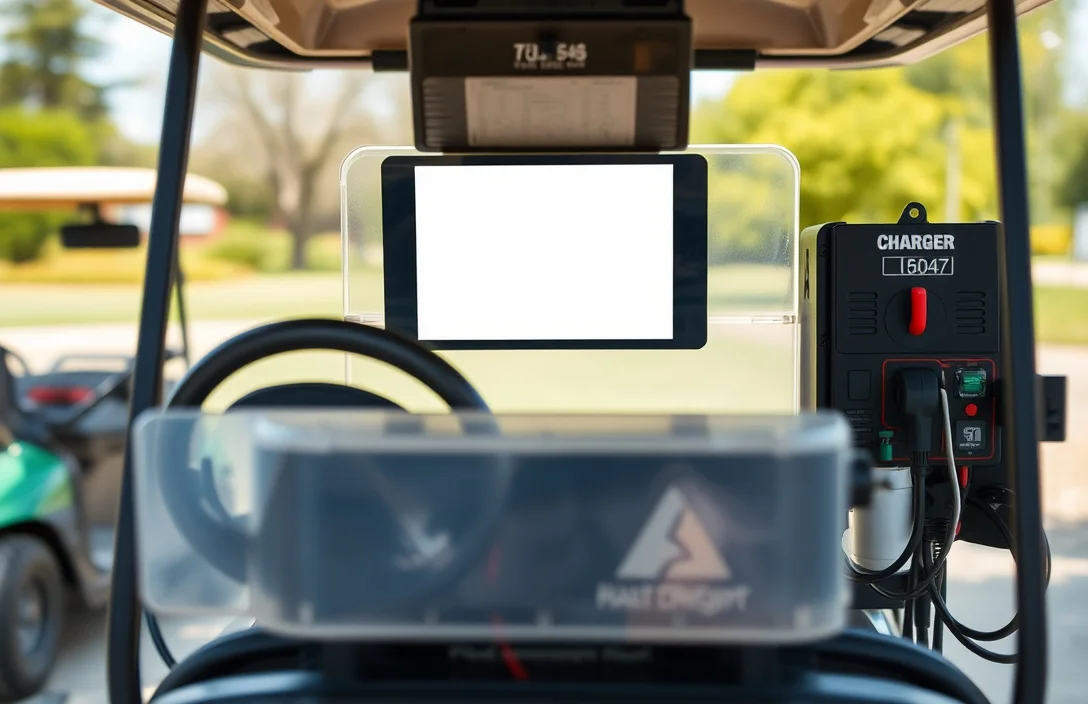
Match the pack voltage exactly. Use a charger rated for the cart’s nominal voltage and within its charging window to avoid overcharging or undercharging. A charger with the wrong voltage can stress cells, shorten life, or trip safety protections.
| Pack Voltage (nominal) | Typical Charger Output | Notes |
|---|---|---|
| 36V | 36V nominal charging, commonly 5 – 15 A | Common for many older lead-acid carts; lithium variants may need different profiles |
| 48V | 48V nominal charging, 8 – 40 A depending on pack size | Most popular for modern carts; verify BMS compatibility |
| 72V | 72V nominal charging, 15 – 60 A | High-power setups; ensure wiring and charger ratings meet safety specs |
Connector standards and port types
Use the matching connector and port type for the pack and charger. Ensure correct polarity, secure locking if provided, and weatherproofing where the cart is used outdoors. Avoid improvised adapters or partial connections that bypass safety features.
For example, upgrading to a higher energy Li, or changing from lead-acid to lithium, often requires a charger with a lithium-specific profile and a compatible BMS interface to manage voltage and temperature properly.
Smart chargers and safety features
Smart chargers regulate voltage and current automatically and communicate with the pack’s protection system. They can adjust charging pace based on temperature and state of charge to protect cells.
Important safety note: verify the charger label matches the pack voltage and chemistry. Mismatches can cause swelling, venting, or electrical faults.
Safety: heat and swelling
Signs of bad cells include swelling, noticeable heat rise during charging cycles, venting or gas release, and a strong chemical odor that accompanies terminal corrosion or rapid capacity loss that worsens with each cycle. Any of these signs means the pack is unsafe to charge or use, and you should isolate it in a fire-safe area and arrange replacement through a certified recycler or the golf cart dealer, not DIY repairs or field fixes that could expose bystanders to hazardous vapors. Proper storage and temperature control reduces risk and helps keep replacement costs predictable by preventing accelerated degradation before you install a new pack.
Replacement triggers and steps
Costs rise with higher pack voltage and larger capacity because more cells, bigger housings, and more complex protection circuits drive manufacturing, shipping, and warranty costs. A 48V pack typically costs more upfront than a 36V pack, and lithium options usually command higher prices than flooded lead-acid, though exact totals depend on chemistry, brand, capacity, and the warranty or service plan you choose.
Quick Summary
Replacement cost for golf cart batteries depends on the pack voltage, and proper matching is essential to avoid wasted expense.
Frequently Asked Questions
Question 1?
To avoid damage, you must match the cart’s voltage when replacing the pack; for example, a 48V system is typically wired as 4x12V or 8x6V blocks.
Question 2?
Higher voltage packs can run hotter during charging if the charger is not matched to the pack; always use the charger that is specified for the voltage and chemistry to maintain a proper charging profile.
Question 3?
Run time depends on pack energy (Wh), which is voltage times capacity; if you keep the same Ah rating, going from 36V to 48V gives about 33% more energy and longer run time, assuming the motor and controller can use it.
Question 4?
For safety, always disconnect the charger and the main power before handling batteries, wear eye protection and gloves, and avoid mixing batteries of different voltages or ages in the same pack.
Question 5?
Common buying mistakes include mismatching voltage and ignoring the Ah rating or the number of blocks; verify you buy enough modules to reach the correct voltage and preserve similar brand and chemistry for best longevity.