
How Much Does A Lithium Battery Conversion Kit Cost
Safety first: sizing a lithium battery conversion kit means matching the pack to your load and ensuring a robust BMS. The spec that matters most is total energy in watt hours (Wh) and the pack voltage, which drive runtime and compatibility. The common mistake is buying a kit with insufficient current handling or a weak BMS, risking heat and fires. Start by checking the label for Wh and the nominal voltage.
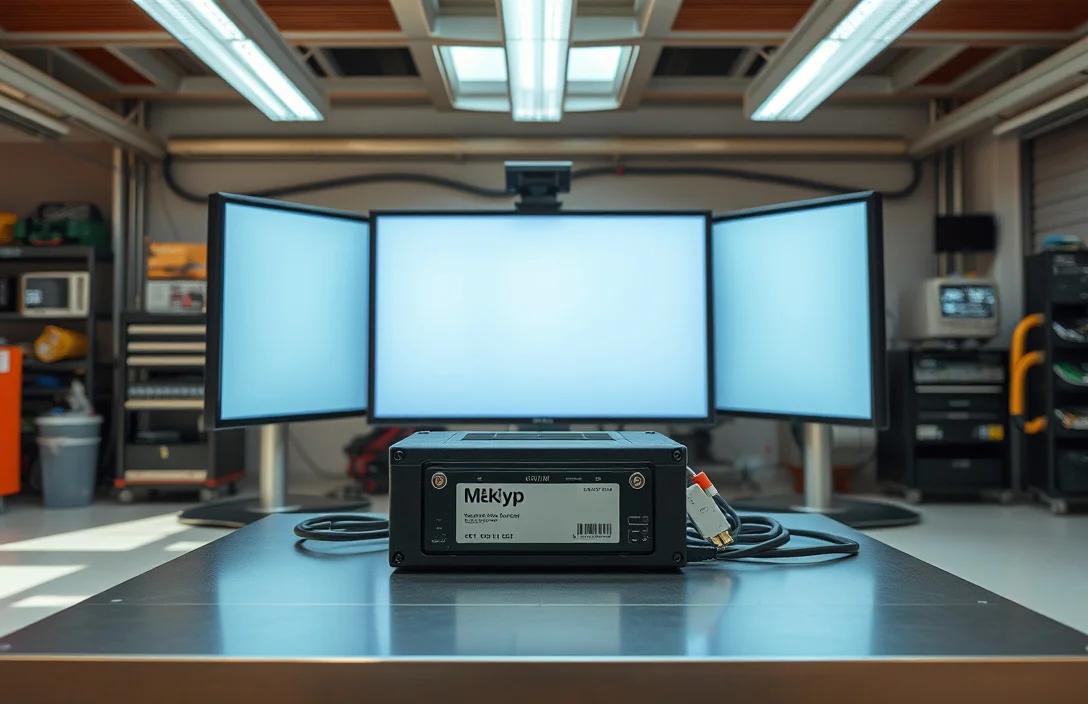
Lithium battery conversion kit cost varies by capacity, voltage, chemistry, and safety features; there is no single price. Typical consumer kits run roughly 150 to 1000 USD, with larger or higher voltage packs exceeding this range. Always verify total Wh, BMS, and compatibility to avoid overpaying.
how much does a lithium battery conversion kit cost
Most lithium conversion kits cost a few hundred dollars, with many kits landing in the mid-range and premium kits going higher, depending on the battery capacity and how complete the kit is. Exact pricing is hard to pin down because vendors bundle different parts and target different battery types and vehicle or system designs.
Kit contents
A “conversion kit” can mean anything from a basic lithium battery and a simple battery management unit (BMS) to a fully matched package with charging controls, wiring, and mounting hardware. When the kit is complete, you are usually paying for more than the cells, because lithium charging needs tight current and voltage control and often requires specific connections and fusing.
Common kit components you may see include lithium cell packs or drop-in replacement batteries, a BMS (sometimes separate from the pack), a DC-DC charger or charge controller, low-voltage cut-off protection or wiring to integrate with existing systems, and cables, terminals, and mounting parts. Less complete kits can look cheaper, but the missing controller and wiring are often the part you still have to buy.
| What the kit includes | Typical price impact | Why it changes cost |
|---|---|---|
| Lithium battery pack or replacement battery | Major | Capacity (Wh/Ah) and chemistry drive the biggest portion of the bill |
| BMS or battery protection electronics | Moderate | Protection and balancing hardware varies by design |
| DC-DC charger or charge controller | Major to moderate | Matching the vehicle or charger profile to lithium charging requirements costs real hardware |
| Wiring, terminals, fuses, mounting hardware | Small to moderate | “Included” parts reduce your need for additional compatible components |
| Instructions, apps, or configuration tools | Small | Convenience add-ons vary widely, but they rarely dominate total cost |
Why prices vary
Prices swing based on what you are converting and how you plan to charge the lithium battery, because some setups only need a charge controller while others require a matched charging path. The same battery capacity can cost more when the kit is bundled for a specific alternator, solar input, or existing battery bank layout.
Prices also vary with safety-minded build choices, like how fusing and wiring are handled, and with whether the kit is designed for a higher-current system. Swollen, damaged, or overheated batteries are a safety red flag, so avoid “ultra-cheap” bundles that skip proper protection or that do not clearly describe charging compatibility and expected wiring.
For a fair comparison, compare kits by “battery energy you can use” plus “what charging hardware is included,” not by the sticker price alone.
Cost drivers for lithium conversion kits
Voltage and capacity drive price because total energy stored dictates how many cells and how much management hardware a kit needs. Higher voltage and larger capacity require more cells in series and parallel, bigger BMS, and stronger enclosures, which increases material costs and testing.
In practice, the cost jump tracks with Wh, not just the chemistry chosen.
Common kit components and their cost impact
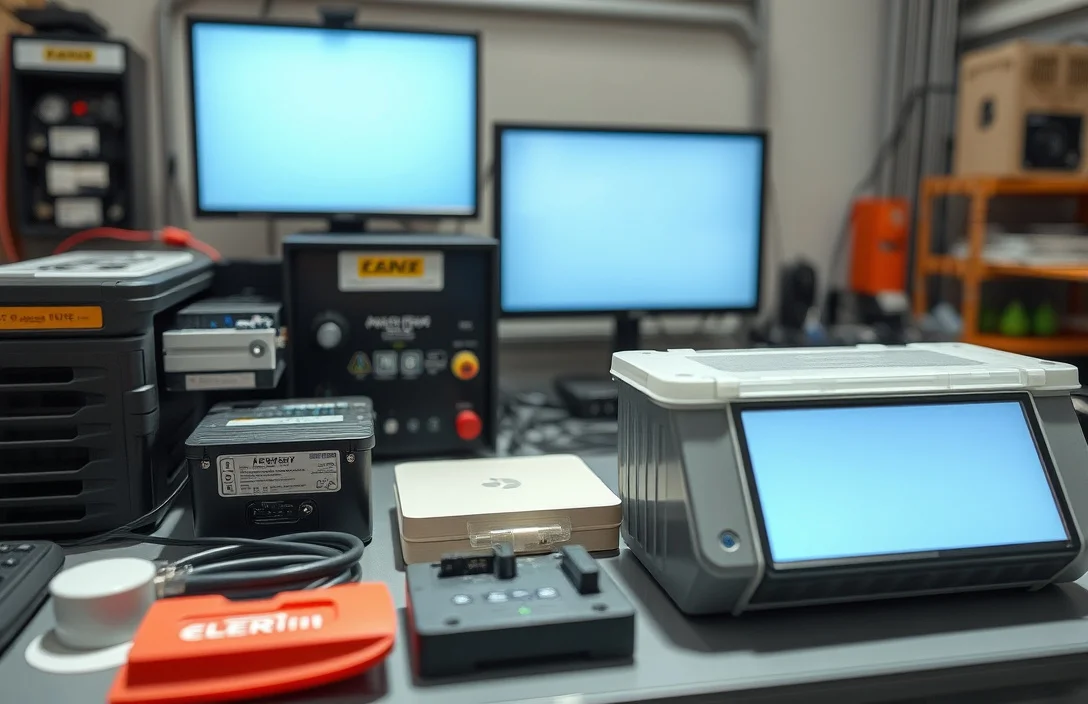
Cells and formats largely determine the upfront kit cost because the energy capacity and chemistry set the baseline for material purchases. The Battery Management System and the enclosure with cooling add meaningful costs, but they are typically secondary to the cells themselves. Exact prices depend on chemistry, scale, and supplier terms, yet the general pattern remains: the cell group dominates the bill, while electronics packaging and thermal design shape the final total.
Charger compatibility and port standards
Charger compatibility and port standards drive kit cost because a pack designed to operate with a specific charging solution reduces setup headaches, but selecting the right hardware can raise upfront price. The total price shifts with whether the kit includes a charger, accepts common interfaces, and uses safe, certified connectors.
Installation time and labor costs

Labor time for a lithium battery conversion varies with kit design, vehicle interface, and your chosen help. A basic swap by an experienced DIYer can take several hours, while a full professional install may stretch to a full day or more, with labor costs forming the largest part of the bill.
DIY installs require careful planning, wiring planning, and verifying BMS compatibility; mistakes can lead to safety risks or reduced performance.
For professionals, the job includes safety checks, torqueing connectors to spec, and ensuring the work meets local electrical codes, which adds time but reduces risk.
| Option | Estimated Time (hours) | Skill Level | Typical Tools | Wiring and Fusing Notes |
|---|---|---|---|---|
| DIY installation | 4 – 12 | Intermediate to advanced | Wire cutters/strippers, crimping tool, multimeter, heat shrink, basic hand tools | Follow kit diagram; size fuses to pack current; route cables securely; label BMS connections |
| Professional installation | 6 – 20 | Licensed electrician or automotive tech | Diagnostic tools, torque wrench, insulated PPE, high-current connectors | Compliance checks, certified fusing, proper cable routing and protection |
Wiring and fusing require careful attention to conductor size, fuse placement, and secure routing. Use a fuse rated for the maximum continuous current of the pack, keep high-current runs away from heat sources, and protect exposed connections with heat shrink or insulation.
Plan for testing and a final safety check after installation; this often adds a few hours to the schedule and helps catch issues before use.
Safety, heat, swelling, storage costs
Thermal management and ongoing maintenance are ongoing costs tied to a lithium battery conversion kit. Choices range from passive cooling to active, liquid cooling, and higher complexity increases maintenance and replacement costs. Expect ongoing checks, sensor upkeep, and occasional component swaps as the system ages.
Swelling indicators matter because swollen cells can indicate overheating or cell degradation. Monitor BMS alarms, temperature readings, and physical signs like bulging cases or warped surfaces. If swelling is detected, the system may require repair or replacement, adding cost and downtime.
Storage and maintenance expenses come from keeping the pack within safe temperature ranges and from periodic calibration of protection circuits. A cool, dry, vibration-free environment helps longevity and reduces surprise failures, but it may require dedicated space or equipment. Budget for occasional checks, part replacements, and recalibration as the system ages.
| Aspect | Typical Cost Impact | Notes |
|---|---|---|
| Passive cooling schemes | Low | Uses minimal hardware such as heatsinks or natural convection; lowest ongoing upkeep but limited heat removal in hot climates. |
| Active air cooling (fans, ducts) | Moderate | Requires power for fans; filters and occasional fan replacement add ongoing cost. |
| Liquid cooling | High | Pumps, coolant, seals, and potential leak risk increase upfront and maintenance needs. |
| Phase-change materials | Moderate to High | Can improve thermal stability but adds complexity and service considerations. |
| Enclosure design and insulation | Low to Moderate | Better isolation reduces heat load but may require custom fabrication or space. |
| Storage environment controls | Moderate | Climate control or dedicated storage space adds energy use and equipment costs. |
| Monitoring and safety electronics | Moderate to High | BMS, thermal sensors, alarms, and potential remote monitoring add both upfront and upkeep costs. |
Buying checks and real-world fit
Prices for lithium battery conversion kits vary widely, driven by capacity, chemistry, and safety features. Basic assemblies are cheaper but may lack a robust BMS or enclosure, while higher end kits include higher energy density, integrated thermal management, and longer warranties.
| What to verify | Why it matters | What to ask |
|---|---|---|
| Voltage and capacity | Ensure it matches the device rating to avoid underperforming or overvoltage risk. | Ask for the exact Wh and nominal voltage. |
| Battery chemistry and safety features | Choice of Li-ion, LiFePO4, etc affects cycle life and safety handling. | Request safety certifications, BMS specs, venting and short-circuit protection. |
| Connector and form factor | Fit in the device, correct charging inlet, mounting points. | Provide dimensions and connector type, confirm it can be securely mounted. |
| Warranty terms | Protects against early failures and QC issues. | Clarify duration, what is covered, and processes for claims. |
Note: Without reliable testing data, it is hard to gauge real-world fit. If the kit lacks documentation, treat it as high risk.
Quick Summary
Prices vary widely by kit type and capacity; exact costs depend on components, brand, and seller.
Frequently Asked Questions
Question 1?
Prices vary widely depending on voltage, capacity, and components like the BMS; there is no fixed price for a lithium battery conversion kit and you can expect a basic DIY setup to start in the low hundreds.
Question 2?
Heat management is a key cost driver; kits with built in cooling can add tens to hundreds of dollars to the upfront price.
Question 3?
Runtime is tied to pack capacity and load; larger packs cost more upfront, and a basic 50 Ah 12V kit may run several hours at light loads.
Question 4?
Look for a BMS with overcurrent, overtemperature, and short circuit protection; these safety features can add roughly 5 to 20 percent to the kit price.
Question 5?
Avoid buying cheap off-brand cells or skipping a proper BMS; these mistakes can double or triple replacement costs.