How Much You Can Sell Used Golf Cart Batteries
Safety first: swollen or leaking golf cart batteries should not be sold or used. The single spec that matters most for price is the battery’s voltage and chemistry. The common mistake is assuming all used packs are worth the same regardless of condition. The first label to check is the sticker on the case that shows voltage, 6V or 8V, and whether it is lead acid or lithium.
Used golf cart batteries are usually worth a small fraction of new price. Generally, expect about 10 to 25 dollars per 6V battery if the pack tests strong and holds charge; weaker, damaged, or swollen packs may fetch under 5 dollars. Price varies by region and whether a recycler or refurbisher buys them.
how much can you sell used golf cart batteries for
Used golf cart batteries sell for a wide range because buyers pay for usable capacity and safety, not for the original brand or purchase price. A fair expectation is that price depends heavily on whether the pack can still deliver near its rated performance and whether it is compatible with the buyer’s charger and cart voltage.
Resale pricing is driven by a few concrete levers. Most buyers sort inventory by chemistry, voltage configuration, and proof of health (resting voltage, capacity test results, and whether each cell or module is intact). Listings that only say “works” usually sell slower and for less, while listings with verifiable measurements and clear photos tend to get fewer questions and faster offers.
What affects resale value
Golf cart battery resale is usually about “how much power is left” and “how risky is it to take.” Chemistry and design matter because they affect how much performance remains at the end of life and how easy it is for buyers to resell further.
| Buyer priority | What they look for | Why it changes price |
|---|---|---|
| Usable capacity | Resting voltage, load behavior, any capacity test notes | Lower usable power means less utility for their cart |
| Safety and condition | Leak checks, physical swelling, terminal corrosion level | Damaged packs carry higher risk and labor to replace parts |
| Compatibility | Voltage, polarity, connector style, charger matching | Wrong configuration forces costly rewiring or rejection |
Where buyers look
Golf cart battery buyers typically come from three paths, each with different pricing expectations and speed. Local pickup listings usually move faster for larger lots, while online markets let bargain hunters compare many sellers.
“Battery works” claims are weak. Buyers prefer measurable proof, like resting voltage per battery (or per module), clear photos of terminals, and a note on how the pack behaved when recharged.
Pricing also changes by season and region because golf cart use is concentrated around certain climates and communities. Hot weather and storage conditions can reduce battery lifespan, so buyers in warmer areas often discount more aggressively when they suspect the pack aged poorly.
Typical buyer behavior is straightforward: they compare your listing to what they can buy locally from returns, pulls, or warranty replacements. To get closer to the higher end of resale range, you want your listing to reduce their risk and confirm compatibility quickly, especially the voltage configuration and physical condition.
Condition, type, and value
Golf cart battery value swings most with chemistry, pack health, and whether the pack still holds usable capacity. Buyers usually pay more for lithium packs with a live battery management system, and they pay less for lead-acid packs that are aged, sulfated, or leaking. The price also drops fast when any cell is weak, because a pack is only as strong as its weakest part.
Battery chemistry is the first filter because it controls how the pack fails and how buyers test it. Flooded lead-acid (and many sealed lead-acid types) degrade from plate sulfation and water loss (for flooded), while lithium packs degrade from capacity fade and riskier damage modes like internal imbalance. Lithium packs can still work with reduced capacity, but buyers expect a functioning BMS and clean safety history, because a bad BMS can end a sale even if the pack voltage looks normal.
Battery voltage tells part of the story, because it affects what replacement packs and chargers a buyer must use. Golf cart packs commonly come as 6V or 8V blocks in a series arrangement, or as lithium packs built to a specific nominal voltage, so the label matters more than the meter reading after sitting. Capacity ratings, usually in amp-hours for lead-acid or in a kWh-equivalent for lithium, are what determine how “tired” the battery is from the buyer’s point of view.
Pack health is the practical driver. For lead-acid, weak cells show up as low specific gravity (for flooded) or uneven temperatures and voltage sag under load; for lithium, buyers look for balance health and error codes from the BMS, plus evidence the pack can deliver current without dropping out. Swollen casing, a hot pack, leaking electrolyte residue, or a cracked case usually means a steep discount or no sale because it increases the risk during transport and charging.
| What you’re checking | Lead-acid cues | Lithium cues |
|---|---|---|
| Capacity decline | Faster voltage drop under load, low specific gravity in flooded cells, uneven cell voltages | Lower delivered runtime for the same load, reduced reported capacity in BMS |
| Health indicators | Specific gravity, cell temperature spread, measured resting voltage consistency | BMS fault codes, balancing status, stable voltage under modest load |
| Disqualifying signs | Leaking electrolyte, cracked case, severely corroded terminals | Swelling, overheating marks, missing or dead BMS, fault states |
Age and cycle life decide how much buyers will pay because they predict capacity loss. Lead-acid age is easy to underestimate, a pack can read “okay” at rest and still fail under load because sulfation raises internal resistance. Lithium age can look fine on voltage but still deliver less energy because cells wear out and the BMS limits output to protect the pack.
State of health indicators are where sellers can win or lose money. For lead-acid, cell readings (or at least documented maintenance history) help buyers price the pack confidently. For lithium, BMS readouts and a clean fault history help buyers trust that the pack can be safely charged and used without mystery behavior.
Pack size and value
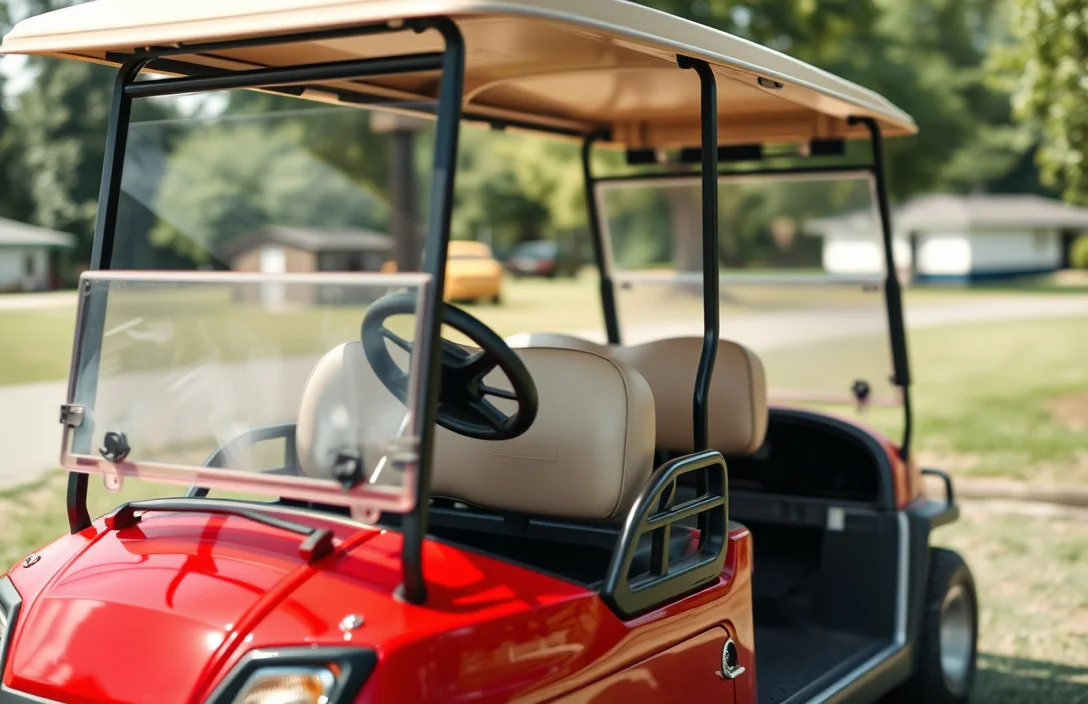
Battery pack voltage and how the pack is built (6V, 8V, or 12V) change both scrap weight and usable capacity, so they move the resale price. Full golf-cart packs usually sell for more than individual batteries because buyers can drop in one unit and avoid reconfiguring wiring.
Most golf carts use multiple lead-acid cells in series to reach a pack voltage. Common pack formats are 6V, 8V, and 12V, and the typical market pattern is that higher-capacity packs bring more money per unit, but only if the pack matches the cart’s expected voltage and wiring. If the listing shows the wrong voltage category, buyers treat it as parts, which drops value quickly.
6V vs 8V vs 12V: how configuration affects what people pay
6V systems often use multiple 6V batteries wired in series to reach the cart’s higher pack voltage, so a set of matched batteries can be worth more than a single orphan unit. 8V setups similarly rely on multiple batteries to reach system voltage, and buyers often want the full set with consistent age. 12V configurations are sometimes fewer in number per cart (depending on cart model), but a complete 12V pack still tends to command a premium because it is easier to verify as “whole system ready.”
In practice, the price gap between voltages is usually less about the voltage number and more about capacity, age, and whether the pack is complete. A 6V battery with visibly higher capacity markings can outperform a tired 12V battery that is nearing end-of-life, but the listing must be clear about what it is.
Warranty and brand badge details can influence value, but they are credibility multipliers, not price guarantees. A clear brand, a visible remaining warranty term (when applicable), and an unambiguous model number can help a buyer justify paying closer to the top of the used range.
| Pack format you’re selling | Value driver | Typical buyer preference |
|---|---|---|
| Single battery (6V, 8V, or 12V) | Capacity label and visual condition, plus serial/model clarity | Repair, replacements, or parts |
| Matched set for a cart | Completeness (right count), consistent age, and correct system voltage | Drop-in replacement |
| Full pack with documentation/badges | Readable model badge, any warranty term shown, and proof it is “cart-ready” | Refurbishers and end users |
For example, a listing that states “6V batteries, selling as the full matched set for this cart model, with the capacity rating shown on each case” usually attracts more buyers than a listing that provides only voltage. The more your listing looks like a complete, verifiable system, the higher the price tends to be.
Sell channels and buyers
Used golf cart batteries usually sell for less through scrappers and more through buyers who can test and resell the pack or cells. The buyer pays based on what they can verify on arrival, so clean labeling and accurate photos often raise the price more than “brand” alone.
Local recyclers and scrap yards want volume and predictable chemistry. These buyers typically quote by weight or a rough grade, and they pay less when the battery is badly corroded, leaking, or missing end labels.
Golf-cart dealers and refurbishers
Golf-cart dealers, refurbishers, and parts stores buy when they can resell or rebuild. These buyers care about usable capacity, evenness across cells, and whether the pack looks intact after removal from the cart.
For example, a dealer may pay more for a “recently pulled” pack with consistent readings than for one that has sulfation, cracked cases, or heavy terminal pitting. Pricing also changes with season and how busy the shop is, so the same battery can sell for noticeably different numbers in different weeks.
Online marketplaces and classifieds
Online listings reach hobbyists and cart owners who may replace one pack today and diagnose later. These buyers often pay the most per unit when the listing includes specifics like voltage, model labeling, and a honest status (working, weak, or for parts).
Online sales also come with the most negotiation, pickup logistics, and “buyer risk,” so expect more price swings. Shipping is usually difficult for heavy batteries, so many sales happen locally through meetups or pickup services.
| Channel | Who buys | Price tendency | Main reason |
|---|---|---|---|
| Scrap yard | Recycler | Lower | They grade by weight and condition |
| Dealer/refurbisher | Reseller | Medium to higher | They can test and rebuild or resell |
| Classifieds/marketplaces | End user or tinkerer | Highest potential | They accept “working” claims with proof |
Practical rule: If you can’t confirm condition beyond “it ran,” assume scrap pricing. If you can show intact casing, readable labels, and credible test results, expect refurbishers or local end users to pay more.
Safety steps before sale

Swollen, leaking, or overheated golf cart batteries should never be sold as “working” and should not be shipped. Listing a damaged pack can destroy resale value fast, and more importantly it creates serious fire and injury risk during handling and transit.
Inspect before you touch pricing
Start with a visual check for signs of electrolyte leakage, cracked cases, and swelling. Any bulging in the casing or vent areas is a red flag that the internal chemistry is stressed, and it can get worse if you move or charge it.
Inspect terminals and cables for heat damage. Look for melted insulation, green or white corrosion that flakes when brushed lightly, and loose or missing terminal covers. If you find corrosion plus movement at a lug, treat the pack as unsafe for resale because resistance heating can recur.
Storage and handling safety
Store batteries upright in a cool, dry place with ventilation. Keep them away from metal objects that can bridge terminals, and keep the battery separated from flammables like cardboard, gasoline, solvents, and oily rags.
During transport, prevent the pack from shifting and protect terminals from short circuits. Use non-conductive supports and secure straps, and cover exposed terminals with proper caps or tape designed for battery use.
Disposal rules for unsafe batteries
Unsafe batteries should go through a hazardous waste route or a battery recycler that accepts damaged units. Many local programs and retailers take damaged lead-acid batteries and will refuse shipping if the pack is swollen or leaking, so plan disposal before you list the item.
For in-between cases, treat the battery as “core only” rather than “tested working.” If you cannot verify safe condition, you preserve both safety and buyer trust by steering the sale into a pickup or drop-off option.
Practical checklist: If the battery is swollen, leaking, has melted insulation, or smells strongly of fumes, stop resale as a working unit and plan recycler disposal.
Pricing tips for used batteries
Used golf cart batteries are priced by type, usable capacity, and how much risk the buyer is taking on when a battery has no guarantee. A practical target is to price for a “quick test and possible discount” sale, then increase if your batteries pass load checks and show clean, even cell behavior.
For example, a mixed batch where half the batteries show strong results can still sell well, but only if you split the listing or set clear per-unit pricing. Grouping weak and strong packs together makes buyers assume the whole lot is weak, which crushes your per-battery sale price.
| Pricing lever | What to check | How it affects price |
|---|---|---|
| Battery type | Flooded vs AGM vs lithium (if applicable) | Different buyer pools and different testing expectations |
| State of health | Voltage under load, even cell behavior, no bulging | Better performance usually earns a premium over core |
| Condition | Terminal corrosion, cracked cases, missing hardware | Visible damage lowers resale confidence |
| Core value | Local recycler payment for lead-bearing cores | Acts as a pricing floor and reduces downside risk |
Negotiation tip: If a buyer pushes for a deep discount, ask what specifically concerns them (capacity, age, corrosion, or uneven cells). A focused question often leads to a counteroffer closer to the test results, instead of a blanket “used” price.
Quick Summary
Used golf cart battery resale value depends mostly on voltage, battery type, and verified condition, so check label specs first.
Frequently Asked Questions
Question 1? How much can you sell used golf cart batteries for, and what price should you use when you advertise?
You usually need to price by voltage and total pack capacity, not just “used.” If you do not have a recent capacity check or clear model number, start with a lower “as-is” price and disclose the condition, since buyers will discount heavily for unknown remaining life.
Question 2? Are used golf cart batteries compatible with any charger, and how can you avoid buying the wrong charger for resale?
Don’t guess, use the battery label to confirm 12V or 6V cell count and chemistry (most golf carts use lead-acid flooded, AGM, or gel). A charger must match the battery type and correct charging profile, otherwise you risk reduced life or overheating.
Question 3? How long will a used golf cart battery run, and how does that affect how much you can sell it for?
Runtime depends on the battery’s state of charge and capacity, plus your vehicle load and terrain. If you can show a practical performance check, such as how long it lasted under a consistent driving routine, buyers are more likely to pay closer to your asking price.
Question 4? Is it safe to charge used golf cart batteries, and what heat or swelling signs mean you should stop?
If the battery casing is swollen, hot to the touch, or you see active leaking, stop charging and do not resell it as “working.” Charging should not produce dangerous heat, and visible venting or fumes are a strong sign the battery is not safe.
Question 5? When should you replace or stop selling used golf cart batteries, and what common buying mistake reduces resale value?
Many sellers wait too long and keep selling packs that fail soon after purchase, so replacement timing matters for your reputation. A common mistake is buyers purchasing based only on the sticker “12V” while ignoring cell count, chemistry, and date, which leads to mismatched charging and quick failure.