How Much Does Battery Disposal Cost
How much does battery disposal cost comes down to matching the advice to your situation instead of following a generic checklist. I will focus on the main decision points, the tradeoffs that matter most, and the practical next steps you can use before spending time or money.
how much does battery disposal cost factors
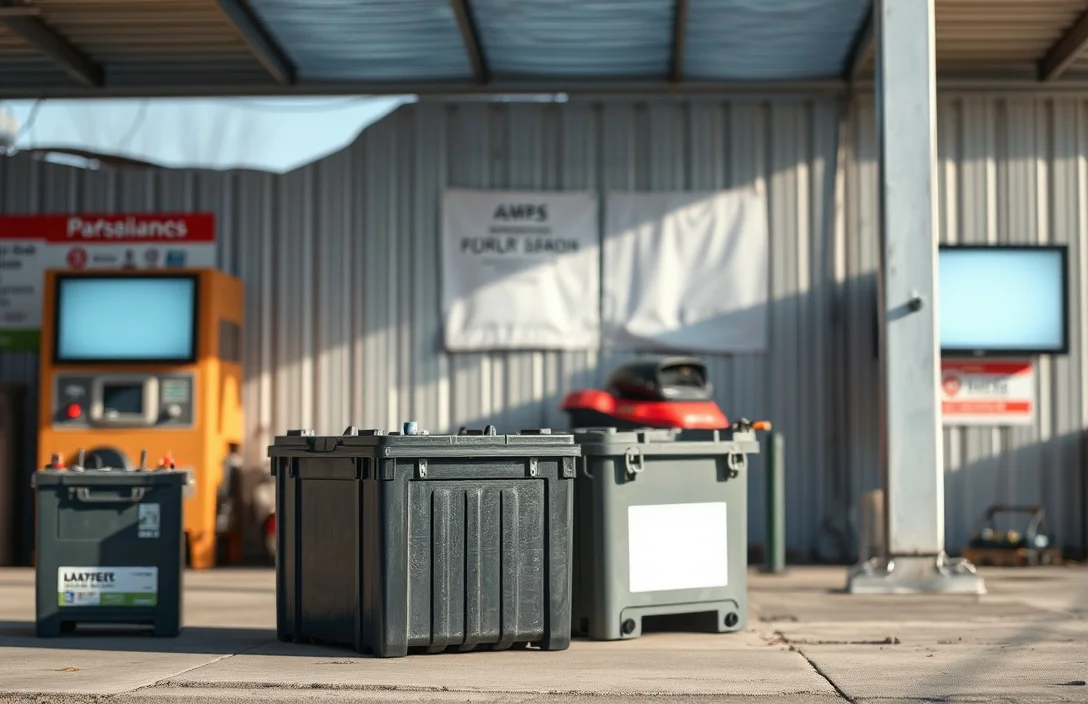
Costs vary by chemistry and form factor, weight and volume, and the disposal channel and geography. Higher hazard chemistries such as lithium-ion require additional safety handling, which adds cost. Regional program design and transport rules also influence pricing, making costs unequal across locations.
| Cost driver | What it affects | Common cost structure | Notes |
|---|---|---|---|
| Chemistry and form factor | Hazard level and handling requirements | Higher fees for Li-ion, Li-poly, and large or custom packs; lower for alkaline and small cells | Safety controls, segregation, and specialized recycling streams drive the delta |
| Weight, volume, item count | Logistics and processing throughput | Per kilogram or per item charges; potential bulk discounts with consolidated shipments | Bulk shipments can reduce unit costs but require compliant packaging |
| Disposal channel | Path to processing and who bears costs | Some channels are free, others impose per-item or processing fees | Retail take-backs, municipal facilities, and hazardous waste centers vary widely |
| Geography | Regional rules, transport, and recycling capacity | Fees and availability differ by city, state/province, and country | Rural areas may face higher transport costs or fewer options |
Chemistry and form factor determine both hazard level and handling requirements, which directly affect processing costs. Lithium-ion, nickel metal hydride, and other rechargeable chemistries typically incur higher fees than simple alkaline or small button cells because they require specialized safety controls and segregation. Large packs or custom battery modules trigger additional steps such as venting, cooling, or dedicated storage, increasing time and labor. Smaller, consumer-grade cells are processed in bulk more easily, often with lower per-unit costs, but the underlying safety and throughput limits still influence pricing.
Weight and volume drive transport and handling costs, especially where batteries must be shipped separately or staged at a facility. Heavier items are costlier to move through chains of custody, and multi-pack shipments can be priced per kilogram or per item with volume discounts only if shipments are consolidated. Item count matters because many programs bill per item regardless of total mass, which can swing prices for small household kits.
In practice, consolidating several batteries into a single compliant shipment can reduce average costs, but this is not always possible with hazardous waste rules.
Disposal channel and geography produce the widest variation because programs range from free municipal take-back to charged retailer drop-offs and hazardous waste facility fees. Household take-back options are often convenient but may impose small handling fees or require trips to specific sites. Retail drop-offs leverage store recycling programs but can include processing fees or minimum purchase requirements. Geographic differences in transport distance, regulatory requirements, and recycling capacity create price swings from city to city and country to country.
Battery types and disposal cost implications
Disposal costs vary with chemistry and weight, and they can change based on how the battery is shipped and where it is sent. Lead-acid batteries generally have lower processing fees thanks to established recycling streams, while lithium-based packs incur higher handling and transport costs due to shipping restrictions and required safety packaging. Hazard labeling and packaging requirements add to the total when items cross borders or go to licensed facilities.
Collection and handling fees
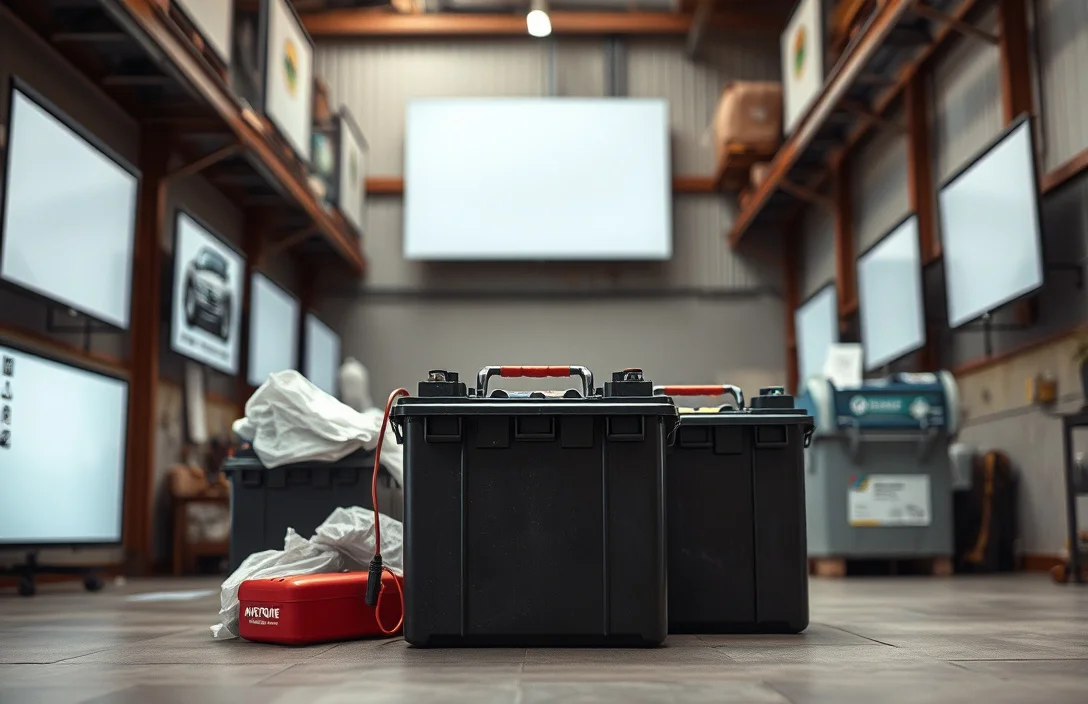
Collection and handling charges for battery disposal vary by program, but two common pricing models recur. Per-item fees bill for each battery or pack, while weight-based pricing charges by the total mass of materials. Some facilities waive or reduce charges for small quantities or for items prepared and sorted correctly.
Per-item pricing is straightforward for consumers with a few AA cells, lithium coin cells, or small packs. Expect a small fixed fee per item, with higher charges for high-risk chemistries like lithium-ion packs or for items requiring special handling. If you’re disposal planning for a bulk drop, confirm whether the program differentiates single items from multiple items and whether there are separate charges for damaged or unsorted items.
Weight-based pricing applies when facilities handle larger quantities or mixed materials. Fees typically depend on the total weight and the battery chemistry involved; heavier packs or pallets usually cost more. If your shipment includes different chemistries, some programs may apply a blended rate or require sorting before pickup.
Damaged or unsorted items often trigger higher charges or additional handling steps. Swollen, leaking, or punctured batteries pose safety risks and may be treated as hazardous waste, increasing both effort and cost. Mixing chemistries or packaging items loose can lead to surcharges or rejection at the drop-off site.
Free and low-cost options exist in many communities. Manufacturer take-back programs may dispose of their own products for free, and municipal e-waste days or community collection events often waive fees for small volumes. Retailers and electronics recyclers sometimes accept batteries at no charge as part of broader recycling initiatives, especially if you are purchasing a replacement item.
| Fee type | What triggers charged | Notes |
|---|---|---|
| Per-item | Each battery or pack | Common for small quantities; straightforward to price |
| Weight-based | Total weight of batteries | Good for bulk items; may require accurate weighing |
| Damaged/unsorted | Leaking, swollen, or mixed chemistries | Higher risk handling; possible re-packaging required |
| Free/waived | Small volumes, manufacturer programs, or events | Always verify eligibility and any limits |
Tip: call ahead or check online for drop-off requirements such as container type, sorting by chemistry, and whether proof of purchase is needed to qualify for zero or reduced fees.
Where to check current disposal costs
Disposal costs vary by location and battery chemistry, so there is no universal price. To know the exact charges for your situation, check official government programs and retailer take-back details for your area.
Tip: Maintain a simple comparison log with program names, contact numbers, and current charges, and refresh it whenever local policies are announced or updated. This helps you pick the cheapest compliant option without guessing.
Cost-saving disposal strategies
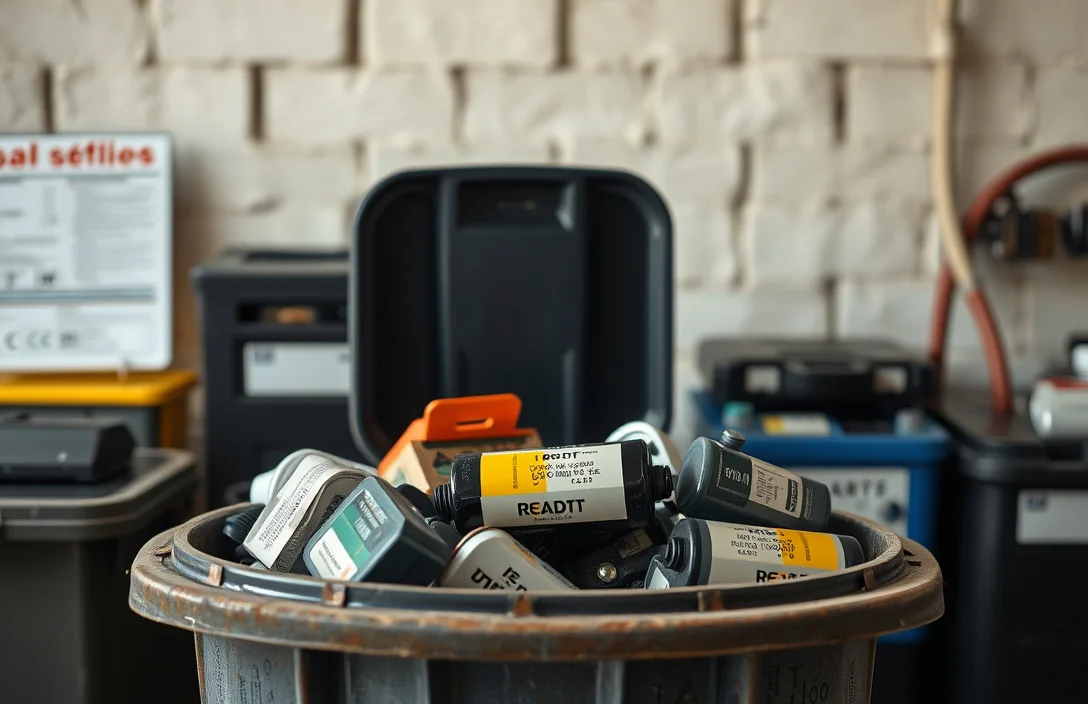
Disposal costs vary widely by item type and location, with many programs offering free drop-off or mail-back for common consumer batteries. Bundling multiple batteries or devices can reduce per-item fees, while proper preparation helps avoid surcharges.
Bundle items for bulk drop-offs. If you accumulate a batch of batteries, search for bulk drop-off options at retailers, recycling centers, or municipal facilities. Many programs cap a per-visit quantity or waive fees when you bring a sizable bundle.
Utilize free take-back options. Look for free take-back programs by major brands, local hardware stores, electronics retailers, or municipal programs. Some chains offer in-store recycling bins for rechargeable batteries with no charge, and others provide prepaid mail-back kits for certain battery types.
Prepare batteries properly to avoid surcharges. Keep damaged or swollen units separate, tape terminals where recommended, and store each battery in its own non-conductive container or bag. Do not mix different chemistries in the same container, and follow label guidance for packaging before drop-off.
Cost scenarios at a glance. The table that follows helps plan around typical pricing models and how to optimize costs before you head to a drop-off.
| Cost Scenario | Typical Cost Model | Notes |
|---|---|---|
| Retailer or manufacturer take-back | Often free or minimal charge; may include prepaid shipping in some programs | Best for devices under warranty or when retailer has a recycling bin nearby |
| Municipal HHW facility | Usually free or low per-item fee; some locations charge for certain batteries | Good for mixed battery types; check hours and items accepted |
| Mail-back programs | Often free if label is provided; may require shipping cost otherwise | Convenient for remote areas or rare battery chemistries |
| Bulk or business drop-off | Per-item discount or waived fees for large quantities; appointment-only in some places | Coordinate with facility to maximize savings |
| Damaged or prohibited items | Potential surcharge or special handling | Declare damaged status and segregate from intact batteries |
Quick Summary
Battery disposal costs vary by type and location; expect a range and check local programs.
Frequently Asked Questions
Question 1?
Costs vary by location and program; many municipalities and retailers offer free disposal for common household batteries, but some charge a per-item fee. Fees are often under $5 per item.
Question 2?
If a battery is hot or swollen, do not transport it with other items. Take it to a hazardous waste facility or a certified recycler; fees for handling damaged packs are typically a few dollars at many sites. Processing or handling fees are usually a few dollars.
Question 3?
Disposal costs also depend on battery size or energy content; larger packs may incur higher disposal costs or per-pound charges. Per-pound charges are common for large packs.
Question 4?
If you dispose of several batteries at once, you may see lower per-item fees than when you drop off one item at a time. Group drop-offs save a small fee per item.
Question 5?
Buying the wrong type or not checking accepted disposal types can cause extra charges or refusal at drop-off. Always verify accepted types before you go. Check accepted types before you go.