

Golf Cart Battery Replacement Cost With Installation
Spec that matters most is the cart voltage and battery type, because a mismatch can damage the controller and void a warranty. The common mistake is chasing the lowest price without confirming compatibility. The first label to check is the voltage rating on the existing pack or in the manual, typically 36V, 48V, or 72V.
Golf cart battery replacement cost with installation varies by cart model, battery chemistry, and labor. There is no fixed
Golf cart battery replacement cost with installation

Replacement costs scale with pack size and chemistry, and installation adds labor, mounting, and disposal. The installed price is higher than the battery price alone, mainly due to professional labor and basic system integration work.
Three big drivers shape the final bill: the chemistry and capacity of the new pack, the time and complexity of removal and mounting, and any required integration with the cart’s charger, BMS, or safety features. Each factor can swing the price by a noticeable amount, so a like-for-like swap is often cheaper than a full upgrade.
The table below groups the main cost factors and how they influence price at a glance. It also highlights where installation work adds the most value and where it can lag behind a simple battery swap.
| Cost category | What it covers | Influence on price |
|---|---|---|
| Battery chemistry | Lead-acid flooded, AGM, gel, lithium | Low to high variability depending on chemistry |
| Pack size and voltage | Voltage level and total Ah capacity | Medium to high, larger packs cost more |
| Installation labor | Removal of old pack, mounting, wiring, BMS or charger integration | High, especially with complex wiring or safety checks |
| Mounting hardware and enclosure | Tray, clamps, insulation, safety covers | Low to medium, depends on cart design |
| Disposal and recycling | Old battery removal and hazardous waste handling | Low |
| System integration and safety checks | Charger compatibility, BMS calibration, test run | Medium to high depending on the charger and cart |
In practice, installation labor is a major variable, especially on older carts with tight access or custom trays. Travel time and disposal fees can add to the bill even if the battery itself is inexpensive. If the cart needs tray work or a higher rated charger, expect a higher final price.
For example, swapping a lead-acid pack for a lithium pack and wiring a compatible BMS can require additional calibration and safety checks, raising the installed price beyond a simple hardware swap. The exact impact depends on the cart model, the chosen pack, and the availability of compatible charging equipment.
Safety note: Replacing golf cart batteries involves hazardous materials and high currents. Have a trained technician perform the work to avoid burns, leaks, or short circuits.
When planning, use the cost table as a quick reference to anticipate where price differences will come from and to prepare a clear, itemized quote from a shop.
What drives the cost?
Replacement cost for golf cart batteries with installation hinges on five main factors: battery chemistry choice, how many batteries are needed and the system voltage, cart model compatibility and mounting, local labor rates, and any travel or site charges the installer adds. Chemistry affects upfront parts cost and long-term life, while pack size and mounting complexity determine labor time.
Battery types and cart fit
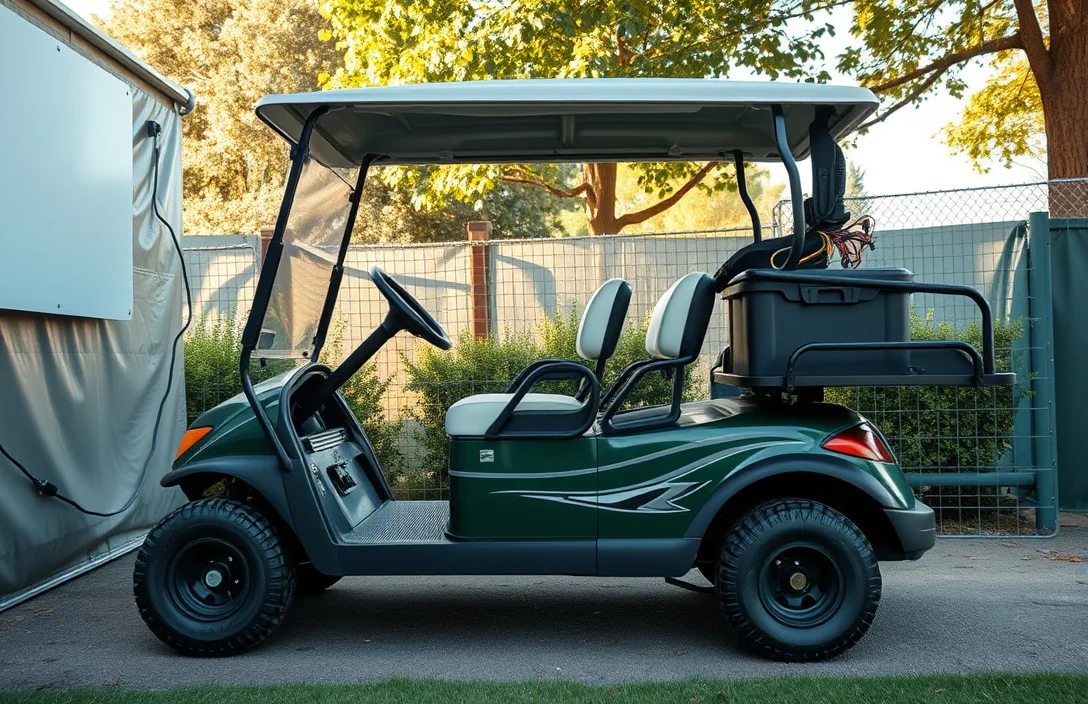
Battery choice drives total replacement cost and installation effort. Lead-acid options are typically cheaper upfront, while lithium packs cost more initially but offer longer life and lighter weight, affecting mounting, wiring, and charger setup.
| Chemistry | Typical Pack Options | Fit Notes | Pros | Cons | Installation Considerations |
|---|---|---|---|---|---|
| Flooded Lead-Acid (FLA) | 6V, 8V, or 12V blocks; common in older carts | Often fills standard trays; straightforward wiring | Low upfront cost; easy to source | Heavy; shorter cycle life; needs venting and maintenance | Check tray dimensions, vent openings, and corrosion resistance |
| AGM Lead-Acid | 8V or 12V blocks; sealed variant available | Similar to FLA but requires less maintenance | Maintenance-free; spill-proof | Still heavy; cost higher than FLA | Ensure enclosure is ventilated if needed and terminals match |
| LiFePO4 (Lithium) | Typically 48V packs for modern carts | Compact, lighter; may need a dedicated mounting and BMS | Long life; faster charging potential; lighter weight | Higher upfront cost; requires compatible charger and BMS | Confirm BMS compatibility, charger profile, and coupling with existing wiring |
Safety note: Mixing chemistries or combining mismatched voltages and chargers can damage cells, trip breakers, or void warranties. Verify that the battery, BMS, and charger are designed to work together for the cart model.
On-site vs Off-site Installation
On-site installation for golf cart battery replacement typically adds labor and travel time, along with disposal and environmental fees. Off-site swaps can lower on-site disruption but require transport logistics and scheduling.
Labor vs parts breakdown
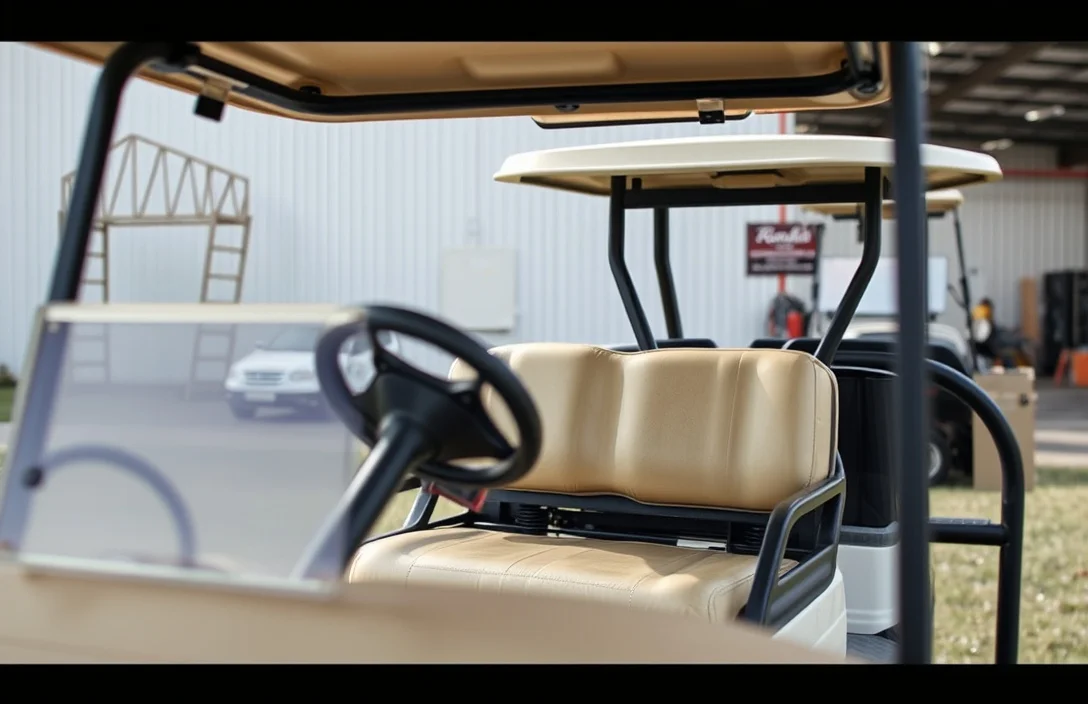
Battery pack price is the dominant portion of an on-cart replacement with installation, while labor and safety hardware shape the rest. Accessibility of the pack compartment and the chosen chemistry drive both time and cost. Warranties and disposal fees also affect the final number.
Battery pack price components vary by chemistry, capacity, and vendor. Flooded lead-acid or AGM tends to cost less upfront than lithium options, but lithium brings longer life and lighter weight. The decision also affects venting, BMS integration, and warranty terms, which influence the overall price.
Labor hours depend on cart access and wiring work. A straightforward swap for a typical 48V setup may take about 2 to 4 hours, while lithium retrofits or restricted spaces can push the time higher. Regional service models and mobility options push the rate up or down.
Longer warranty terms on the battery can raise the upfront price, but reduce future replacement risk. Some installers offer labor or module warranty when installation is performed by them, which can be valuable if issues arise. Always confirm how warranty coverage is activated and what it requires for claims.
Note: Proper installation according to the cart maker’s guidelines helps preserve warranty and safety.
| Cost category | Impact on installed price | Notes |
|---|---|---|
| Battery pack | Largest share | Depends on chemistry and capacity |
| Labor | Second-largest share | Varies with access and complexity |
| Ancillary parts | Smaller share | Mounts, wiring, fuses, connectors |
| Disposal & handling | Low impact | Old pack recycling required by law |
| Warranty impact | Can raise upfront price but reduce risk | Check what is included |
Warranty, safety, and maintenance
Replacement safety checks are non negotiable. Verify venting and gas buildup during setup, inspect cables for damage or shorts before powering, and confirm the pack is properly secured and integrated with the golf cart’s safety interlocks. A qualified installer should recheck BMS connections and insulation to prevent thermal runaway or arcing before the system is energized.
Heat and swelling are warning signs after replacement. Do not continue to use or charge a pack that shows swelling or unusual warmth; remove it from service and arrange a replacement under professional supervision.
Store spare packs in a cool, dry place away from direct sunlight and heat sources, and follow the manufacturer’s guidance on temperature limits. Use the proper charger for the pack’s chemistry and voltage, and avoid high current charging unless the cart and pack specify support and safety interlocks are in place.
Post-install maintenance and charging routines keep the pack healthy and the cart safe to operate. After installation, establish a regular inspection and charging cadence and document any anomalies for warranty review.
Warranty terms may be invalidated by improper installation, failure to follow charging guidelines, or neglecting required maintenance. Always confirm coverage details in writing with the installer and manufacturer.
Typical warranty expectations by chemistry for installed golf cart packs
| Chemistry | Typical Warranty Range | Common Conditions |
|---|---|---|
| Flooded Lead-Acid / AGM | 1 – 3 years | Proper venting, routine maintenance, avoid deep discharge, charge per spec |
| Lithium-Ion / LiFePO4 | 2 – 5 years | Temperature limits, balanced charging, healthy BMS, no abuse |
| Other chemistries | Varies | Follow vendor terms, installation by qualified technician |
Getting quotes and checks
To obtain reliable quotes for a golf cart battery replacement with installation, have the cart model, year, and tray size ready, along with the current battery type and capacity. This helps prevent mismatches and hidden labor charges. Also note any planned upgrade path so the installer can quote compatible wiring and components.
Charger compatibility and future upgrade options matter because a single quote can become invalid if plans change. Verify system voltage, commonly 36V or 48V, and the required charging rate the new pack will accept. Check connector types, BMS communication requirements, and whether the current charger can service a future pack if you switch to higher energy density or a different chemistry. Ask the shop to confirm parts compatibility across the full upgrade path you foresee.
Disposal details and tax treatment affect final cost and environmental responsibility. Confirm who handles battery disposal or recycling, whether there are fees, and if any disposal credits apply. Request a disposal receipt and documentation showing compliance with local rules. For tax treatment, ask whether parts and labor are taxed separately and whether any local incentives or rebates apply to a replacement pack or charger.
A complete quote should be itemized for labor, parts, disposal, and warranty. It must name the battery pack, mounting hardware, cables, fuses, and any mounting brackets, plus travel or diagnostic fees if applicable. Warranty terms should cover the battery, charger, and installation, with clear start dates and what is excluded. The total should be transparent and free of hidden charges.
| Component | What to check | Notes |
|---|---|---|
| Labor | Hours and rate | Ask for an estimated completion window and hourly rate breakdown |
| Parts | Battery pack, charger, cables | Brand, model, compatibility with cart and tray |
| Disposal | Recycling fees | Included or billed separately; obtain receipt |
| Warranty | Coverage on pack, charger, installation | Duration and coverage limits |
Quick Summary
Replacement cost varies by battery type and installer, but you can estimate total with supplier quotes and compatibility checks.
Frequently Asked Questions
How do I verify compatibility for a golf cart battery replacement with installation?
Check the cart label or owner’s manual for the system voltage and battery chemistry; most golf carts use a 48V pack, and you must replace with the same voltage and chemistry to avoid controller damage.
How does heat affect golf cart battery replacement and performance?
Heat speeds up battery degradation and reduces usable capacity; during installation and charging, work in a shaded, well ventilated area and avoid hot environments.
What runtime should I expect after replacement and how is it calculated?
Runtime depends on the battery energy rating in Wh and your cart’s draw; estimate with Wh divided by watts. For example, a 4800 Wh pack at a 600 W draw would run roughly 8 hours.
What safety steps should I expect during installation?
Power down and disconnect the pack, wear eye protection and insulated gloves, and have a qualified technician perform the work. Installation typically takes 2 to 4 hours.
What timing and buying mistakes should I avoid to control golf cart battery replacement cost with installation?
Avoid mixing old and new packs and choosing the wrong voltage or chemistry, because mismatches can trigger controller issues that drive up installation costs. Always request a written warranty and get 2-3 quotes with a clear parts and labor breakdown to prevent surprises.